
New Weight-Loss Drugs Are Impacting Obesity Surgery in Older Adults
Anti-obesity medications are reducing demand for bariatric surgery, with an impact on obesity treatment in older adults.

Four in ten Romanians are affected by obesity, a public health issue that particularly impacts older adults, according to recent statistics. This situation is becoming increasingly complex in the context of new anti-obesity medications that are radically transforming the medical landscape.
New pharmaceutical therapies for the treatment of obesity have begun to reshape medical strategies, significantly reducing demand for bariatric surgery. These medications, which have become a global phenomenon, offer a less invasive alternative for people suffering from severe obesity.
Medical specialists are observing a clear shift in patient preferences. Whereas in the past complex surgical procedures to reduce stomach size were the primary option for severe obesity, innovative medications now make treatments more accessible and safer.
For older adults dealing with obesity, these developments are particularly significant. Advanced age increases surgical risks, and pharmaceutical alternatives may offer viable solutions for managing weight without the complications of major surgery.
Private hospitals that have invested heavily in developing bariatric surgery centres must now reconsider their strategies. The downward trend in this type of surgical intervention reflects a fundamental shift in how obesity treatment is approached.
Doctors emphasise the importance of carefully assessing each individual case, especially when it comes to elderly patients. Whilst the new medications offer promising prospects, careful monitoring and personalised treatment remain essential for the safety and effectiveness of therapy.
Content paraphrased and adapted by SeniorHelp from verified public sources.
Original source: Ziarul Financiar →Previous article
CNAS Changes the Rules for Accessing Treatments at Private Clinics on the State Budget
Next article
New drug doubles survival in pancreatic cancer
Similar news

Calf pain when walking may signal poor circulation
11 November 2026
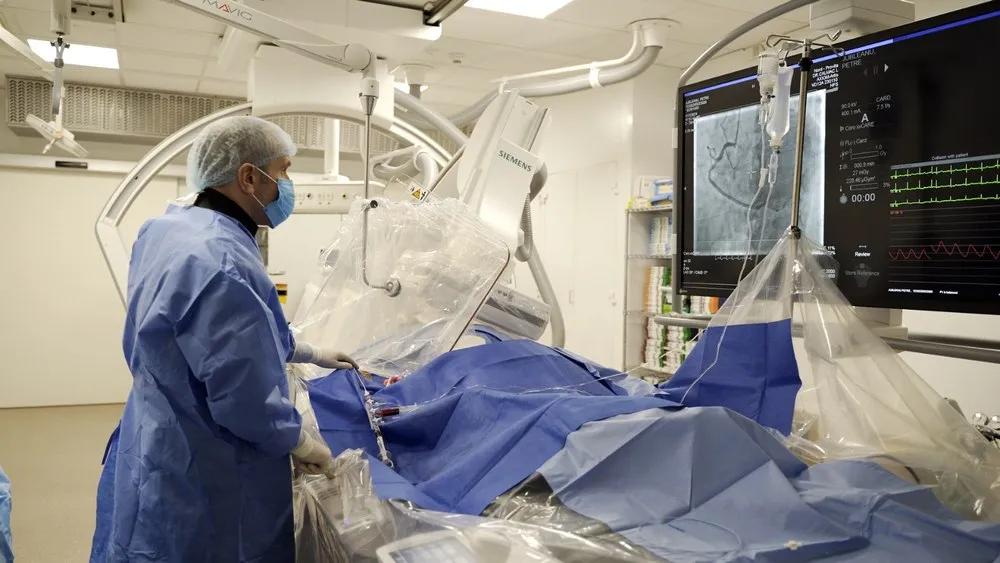
When Is Coronary Revascularisation Needed? Dr. Lucian Câlmâc Explains
10 November 2026
 Foto ilustrativă
DEXA, the investigation that shows the risk of osteoporosis and fractures in advance
10 November 2026

Romanian Doctor: The Mediterranean Diet – a "medicine" for Romanians in Italy, but with hidden pitfalls
10 November 2026
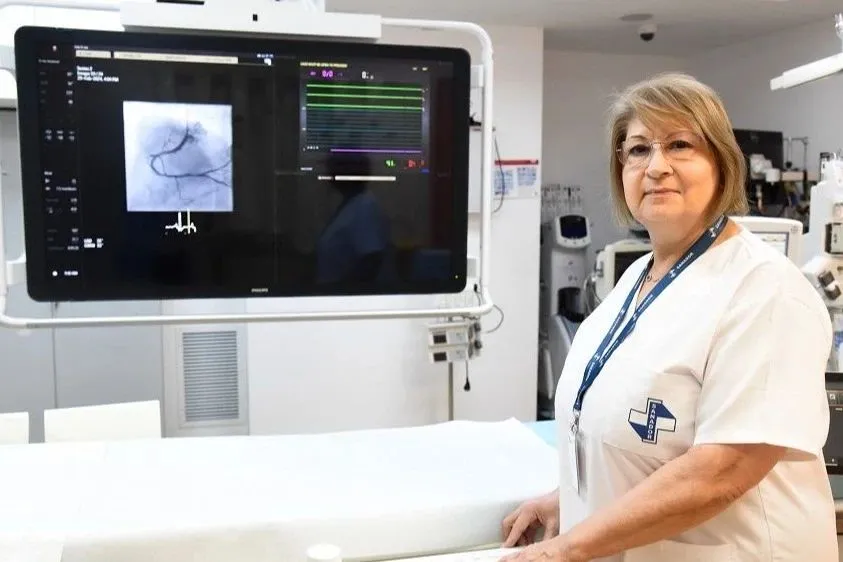
Iliac Artery Aneurysm Treated Minimally Invasively in a 70-Year-Old Patient
9 November 2026

Prostate cancer diagnosed with difficulty: 67-year-old patient treated through robotic surgery
9 November 2026