
Health Minister Acknowledges Difficulties in Persuading Romanians to Get Vaccinated
Alexandru Rogobete admits that a new pandemic would find Romania vulnerable due to vaccine hesitancy, with a major impact on seniors.
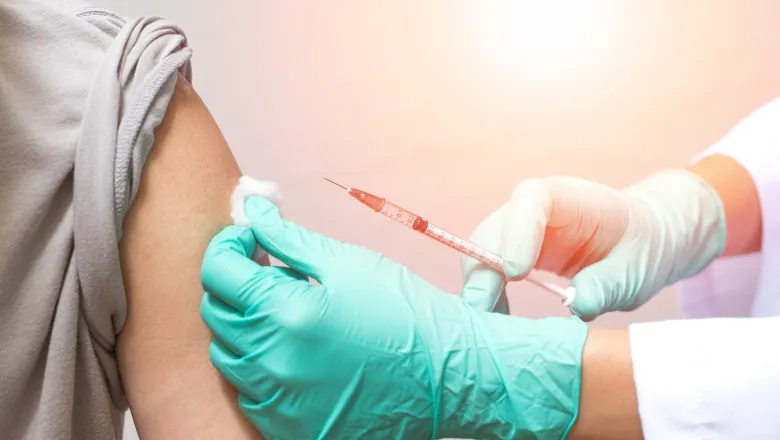
Romania's Health Minister, Alexandru Rogobete, has made worrying statements about the country's preparedness for a potential new pandemic, acknowledging that he would face major difficulties convincing the population to get vaccinated. This situation raises serious questions about the protection of older people — the age group most vulnerable to severe viral infections.
The COVID-19 pandemic demonstrated that elderly people were the most exposed to risk, with significantly higher mortality rates than the rest of the population. In the current climate, vaccine hesitancy could have devastating consequences for this vulnerable group. Seniors living in care homes and those receiving home care would be the first to face the risks of a new epidemic.
The Minister stressed that he would not resort to political intervention to promote vaccination, preferring instead to rely on specialists who know how to communicate effectively with the public on medical matters. This approach implicitly acknowledges that public trust in political health messaging has been seriously undermined in recent years.
Impact on elderly care
For the elderly care sector, these statements are particularly significant. Care homes, day centres, and home assistance services should adapt their safety protocols, taking into account the possibility that a substantial portion of the population may refuse vaccination in the event of a new pandemic.
Geriatric and elderly care specialists emphasise the importance of ongoing medical education and building relationships of trust with older people and their families. In the absence of optimal vaccination coverage at national level, non-pharmaceutical preventive measures become crucial for protecting elderly individuals.
The current situation highlights the need for more effective public health communication strategies, tailored specifically to the senior population. Older people need clear, accessible information from credible sources in order to make informed decisions about their own health and safety in the face of potential future epidemiological threats.
Content paraphrased and adapted by SeniorHelp from verified public sources.
Original source: Digi24 →Previous article
Preventing and Managing Accidents in Seniors During the Easter Holiday Period
Next article
Mental health in women: how psychological challenges evolve with age
Similar news

Microplastics in tap water can be reduced through boiling and filtering, a study shows
16 October 2026

Over 350,000 doses of flu vaccine to arrive in pharmacies next week
16 October 2026
First influenza-related death of this season confirmed by INSP: unvaccinated man from Cluj
16 October 2026

Partial Nephrectomy: The Operation That Treats Kidney Tumours and Preserves the Kidney
16 October 2026

Time spent in nature could improve one's relationship with food, a British study suggests
16 October 2026
What a liver operation involves: preparation and recovery
15 October 2026