
Patellar dislocation following trauma: causes, symptoms and recovery
A sudden movement or a fall can displace the kneecap from its normal position. Even if it returns on its own, the knee should be medically evaluated.
 Foto ilustrativă
A sudden movement, a fall, or a rapid change of direction can cause severe knee pain, accompanied by the sensation that the kneecap has slipped out of its normal position. Even if the kneecap returns to place on its own, the affected knee should be examined by a doctor.
A patellar dislocation occurs when the kneecap slides out of its natural groove, most often towards the outer side of the knee. Such an episode can bring pain, swelling, a feeling of instability, and difficulty walking. Although the kneecap sometimes repositions itself, damage to the cartilage or ligaments may remain, along with small bone fragments, all of which must be identified through a medical assessment.
Following a first episode, treatment is usually conservative: immobilisation for a period of time, pain management, and a rehabilitation programme aimed at strengthening the thigh muscles. If the kneecap dislocates repeatedly or if associated injuries are present, surgical intervention may be required to stabilise the joint. A proper recovery is essential both for reducing the risk of recurrence and for safely returning to everyday activities or sport.
Content paraphrased and adapted by SeniorHelp from verified public sources.
Original source: Realitatea →Previous article
How to recognise dehydration: the subtle signs to watch out for
Next article
Pensioners could receive more money from 2027: the health insurance contribution threshold for pensions set to change
Similar news
 Foto ilustrativă
Ce poziție de somn e sănătoasă? Un medic explică riscurile unei posturi greșite
8 October 2026

Why We Feel More Tired in Autumn: What the Specialists Say
7 October 2026
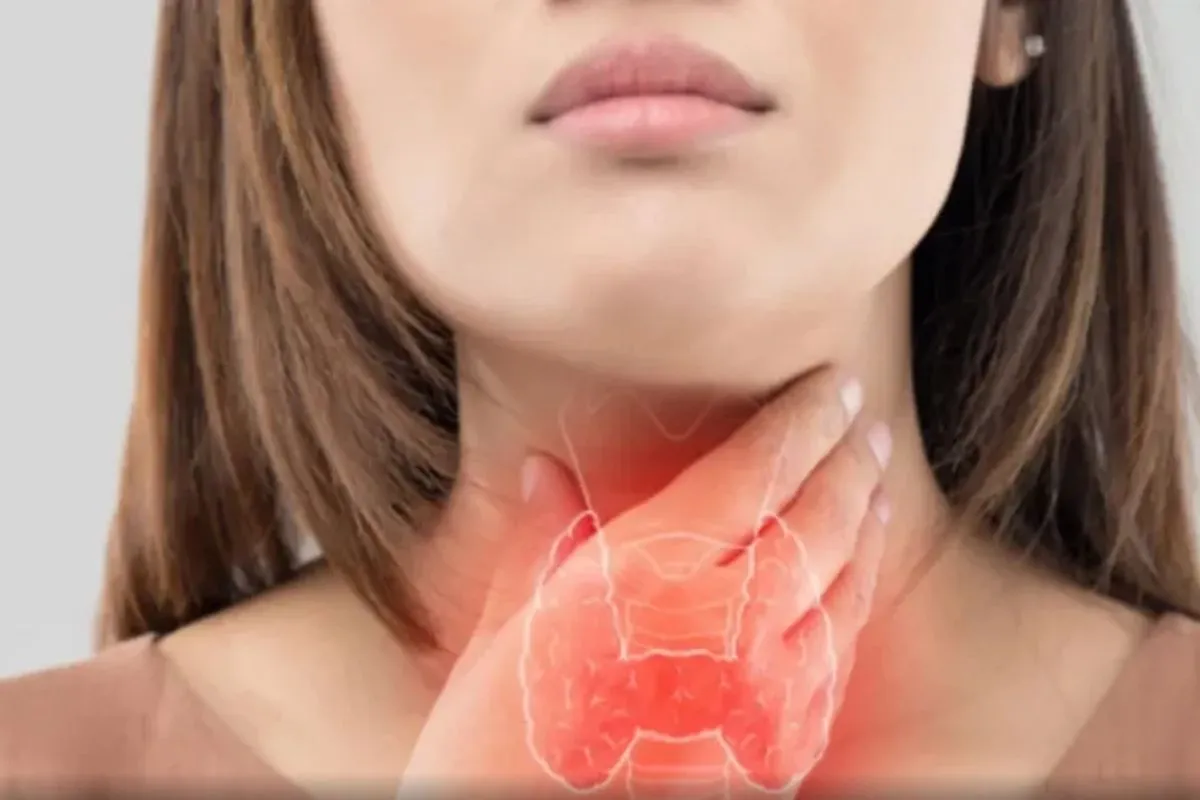
Thyroid Nodules: What an Ultrasound Reveals and When Further Tests Are Needed
6 October 2026

Mușchii, „organul longevității”: de ce slăbesc după 30 de ani și cum pot fi ajutați
6 October 2026

Winter Time and the Body: What Studies Show About Sleep, Energy and Health
5 October 2026
Recurring heartburn can be a sign of gastro-oesophageal reflux disease
5 October 2026