
Leptospirosis: The Dog-Transmitted Disease That Can Affect Seniors
Leptospira infection can be transmitted from dogs to humans and may cause serious complications in elderly individuals with a weakened immune system.

Seniors who own pets should be aware of a bacterial infection that can be transmitted from dogs to humans — leptospirosis. This disease can have serious consequences, particularly for older people with compromised immune systems.
Leptospirosis is a bacterial infection that affects both dogs and humans. In older people, symptoms may include severe diarrhoea, nausea, jaundice (yellowing of the skin and eyes), high fever, intense muscle pain and persistent headaches.
How the infection spreads
Dogs become infected through contact with contaminated urine from rodents, wild animals or other infected dogs. Animals can also contract the disease by drinking contaminated water from puddles or streams, or by licking infected urine.
In humans, transmission occurs in a similar way — through direct contact with contaminated urine, which can enter the body via cuts, scratches or through the mucous membranes of the eyes, nose and mouth. For seniors with more fragile skin or existing wounds, the risk of infection is higher.
Risks for older adults
Veterinary experts warn that some dogs show no visible symptoms yet can still transmit the disease. In older people, this infection can cause severe multi-system illness and, if left untreated, can be fatal.
In dogs, the disease manifests through vomiting, diarrhoea, coughing, breathing difficulties and lethargy. An animal's condition can deteriorate rapidly — dogs can die within just two days of symptoms appearing, which is why immediate veterinary intervention is essential.
Transmission intensifies during periods of heavy rainfall and flooding, when contaminated water spreads more easily. Seniors living in rural areas or those with gardens frequented by rodents face a higher risk of infection.
For prevention, older adults who own dogs should avoid direct contact with the animal's urine, wear gloves when cleaning up after their pet, and seek medical attention promptly if any suspicious symptoms appear. Vaccinating dogs and maintaining regular veterinary check-ups can significantly reduce the risk of transmission.
Content paraphrased and adapted by SeniorHelp from verified public sources.
Original source: Realitatea →Previous article
Frozen foods that protect seniors' hearts: cardiologists' recommendations
Next article
Foods That Help Seniors Control High Cholesterol
Similar news
 Foto ilustrativă
Mediterranean diet linked to lower risk of cardiovascular disease
27 September 2026
 Foto ilustrativă
Free flu vaccine in 2026: who is eligible and when is the best time to get immunised
26 September 2026
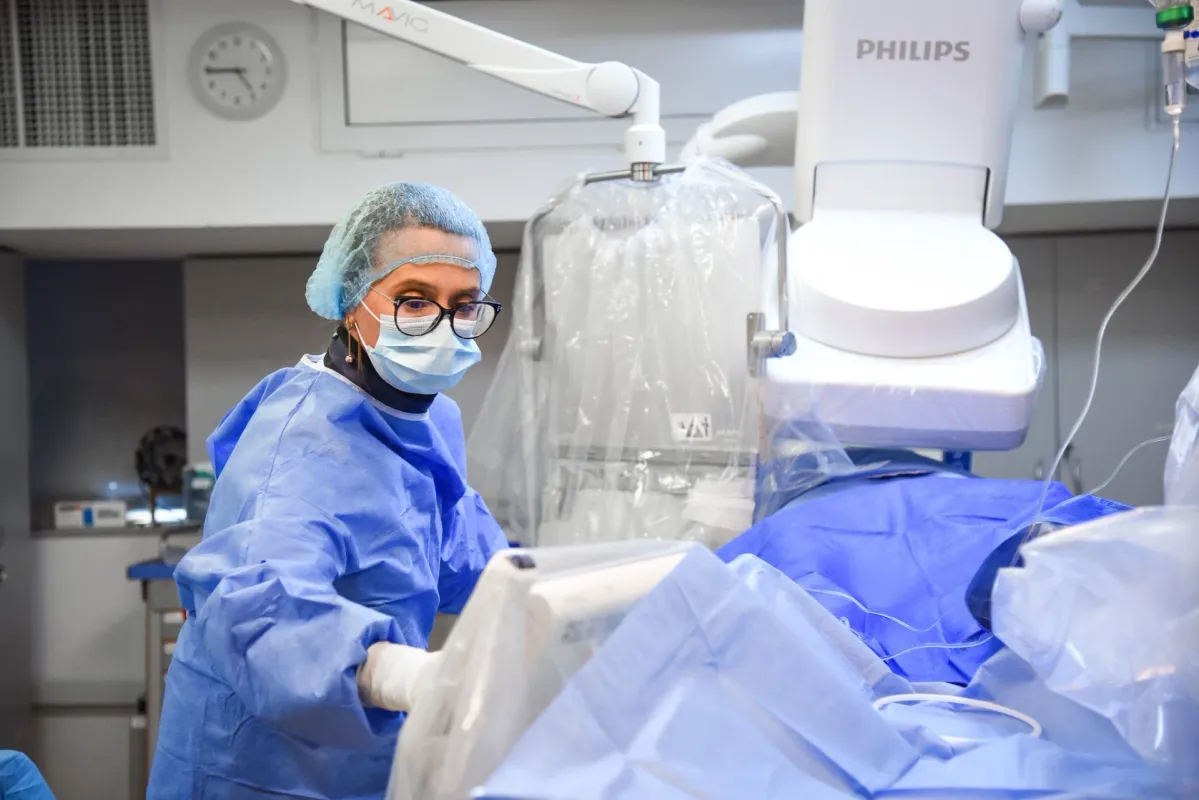
Peripheral Arteriography: the investigation that reveals blockages in the arteries of the legs and arms
25 September 2026

Socola Study: 6 in 10 Romanians Quickly Forget Essential Details. When Should We Be Concerned
25 September 2026
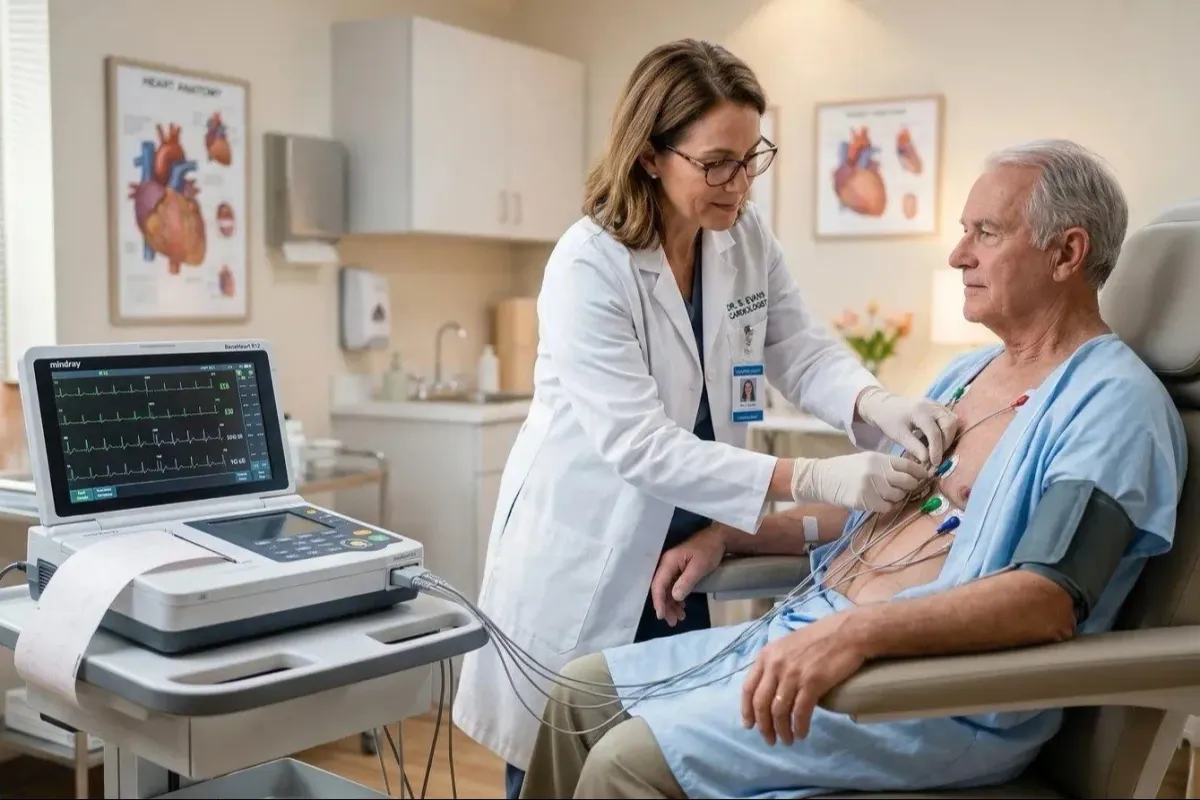
Palpitations, high blood pressure, chest pain: when you need a cardiologist
24 September 2026

Radiotherapy in the treatment of lung cancer: when and how it is used
24 September 2026