
Leprosy Returns to Romania After 40 Years: What Seniors Need to Know About This Disease
Specialists explain the risks of leprosy infection and the symptoms that older adults should watch out for, following the confirmation of two cases in Cluj.
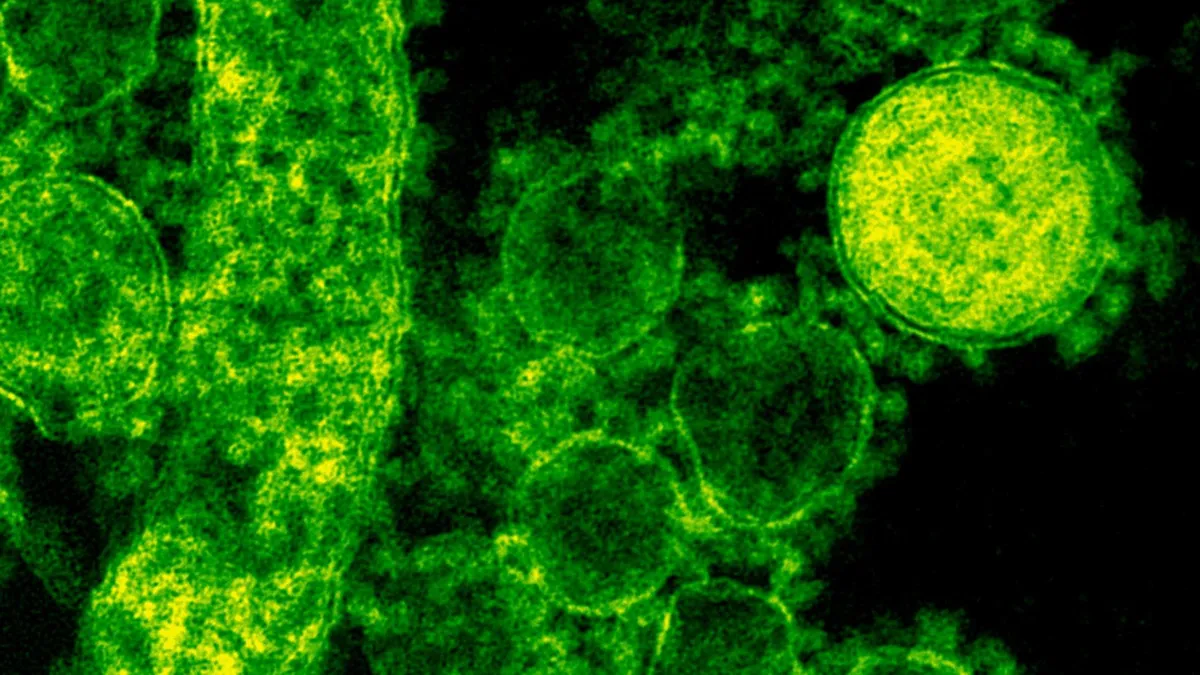
After more than four decades of absence, leprosy has resurfaced in Romania, with two confirmed cases in Cluj-Napoca, prompting concern among the public — particularly among older adults, who may be more vulnerable to various infections. Medical specialists are providing essential information about this chronic infectious disease in order to dispel myths and alleviate unnecessary anxiety.
Leprosy, caused by the bacterium Mycobacterium leprae, does not pose a significant risk of infection for the majority of the population. Medical data shows that 95% of adults who come into contact with an infected person will not develop the disease, thanks to natural immunity. Children, however, are more susceptible to infection than adults, which understandably causes grandparents to worry when grandchildren visit from higher-risk areas.
For older adults who travel frequently or have relatives abroad, it is important to understand that leprosy is not transmitted through casual contact. Sitting next to an infected person on public transport, sharing a meal, shaking hands, or embracing are not routes of transmission. The disease is also not passed from mother to foetus, nor transmitted sexually — information that may be particularly relevant for families with elderly members who care for young children.
When to seek medical advice
Older adults should be alert to certain signs that may indicate this condition, especially if they have a history of travel to high-incidence regions in Asia or Africa. The appearance of a red or depigmented skin lesion accompanied by reduced sensitivity — or complete loss of sensation — in the affected area may be a warning sign. Any unusual neurological or ophthalmological symptom in a person with a history of travel to endemic areas warrants prompt medical evaluation.
Leprosy has an exceptionally long incubation period, ranging from 3–5 years and potentially up to 20 years after exposure, making it extremely difficult to identify the source and timing of infection. This is particularly relevant for older adults who travelled extensively in their youth or during periods of intensive professional activity, when exposure to various pathogens was more likely.
Transmission requires only close, prolonged contact over a period of months. The disease can be spread through the air via coughing or sneezing, or through direct and sustained contact with the lesions of an infected person. Families with elderly members should be aware that all close contacts of a leprosy patient — particularly household members — will be periodically examined by doctors to detect any signs of infection.
On an encouraging note, antibiotic treatment is highly effective. A patient is no longer contagious within just a few days of starting therapy and can lead a completely normal life, with no need for isolation. This is crucial for maintaining family cohesion and ensuring that older adults are not subjected to the stress of being separated from their loved ones during treatment.
The reappearance of leprosy in Romania after so many years underscores the importance of medical vigilance and clear public communication. For older adults and their families, understanding these facts can reduce anxiety and encourage a rational, evidence-based approach to the situation — one grounded in medical reality rather than unfounded fear.
Content paraphrased and adapted by SeniorHelp from verified public sources.
Original source: Realitatea →Previous article
Doctors warn: the dangerous foods threatening the health of seniors
Next article
Water Bills Rise by 20% – Major Impact for Pensioners on Low Incomes
Similar news

Microplastics in tap water can be reduced through boiling and filtering, a study shows
16 October 2026

Over 350,000 doses of flu vaccine to arrive in pharmacies next week
16 October 2026
First influenza-related death of this season confirmed by INSP: unvaccinated man from Cluj
16 October 2026

Partial Nephrectomy: The Operation That Treats Kidney Tumours and Preserves the Kidney
16 October 2026

Time spent in nature could improve one's relationship with food, a British study suggests
16 October 2026
What a liver operation involves: preparation and recovery
15 October 2026