
Inflation of 9.5% in Romania Severely Impacts Pensioners' Purchasing Power
Romania has the highest inflation rate in the EU — 9.5% in April. Seniors on fixed pensions are the most vulnerable to rising prices.
 Foto ilustrativă
Romania continues to record the highest inflation rate in the European Union, with prices rising 9.5% in April — three times the EU average of 3.2%. This difficult economic situation is particularly hard on senior citizens and pensioners, who rely on fixed and limited incomes.
For Romania's elderly population, inflation means a constant erosion of purchasing power. Pensions, which rise far more slowly than prices, are becoming insufficient to cover basic needs. Medicines, food and medical services — all essential to older people's daily lives — are steadily growing more expensive, forcing many elderly citizens to make compromises when it comes to their own health and wellbeing.
The impact is felt acutely by seniors living in care homes or receiving home care services. The costs of these services are rising in line with inflation, while families' ability to support them financially is falling. Many private care homes are being forced to raise their fees, and care services are becoming increasingly difficult to access for pensioners on low incomes.
The situation is particularly severe for pensioners who depend entirely on their state pension, with no other source of income. They are watching their pension's purchasing power shrink month by month, finding themselves having to forgo medical treatments, cut back on the quality of their food, or postpone important medical appointments because of ever-rising costs.
Compared with the EU average of 3.2% — and the eurozone figure of 3% — Romania finds itself in an extremely vulnerable position. This stark difference places additional pressure on the social protection system and on services aimed at older people, which must meet growing demand with limited resources.
Content paraphrased and adapted by SeniorHelp from verified public sources.
Original source: Digi24 →Previous article
Problems at the Ministry of Health with PNRR-funded hospitals
Next article
Government Accelerates Hospital Investments Through PNRR to Complete Projects by August
Similar news

Health 2025: Romanians paid 130 billion RON, over a quarter directly out of pocket
5 October 2026
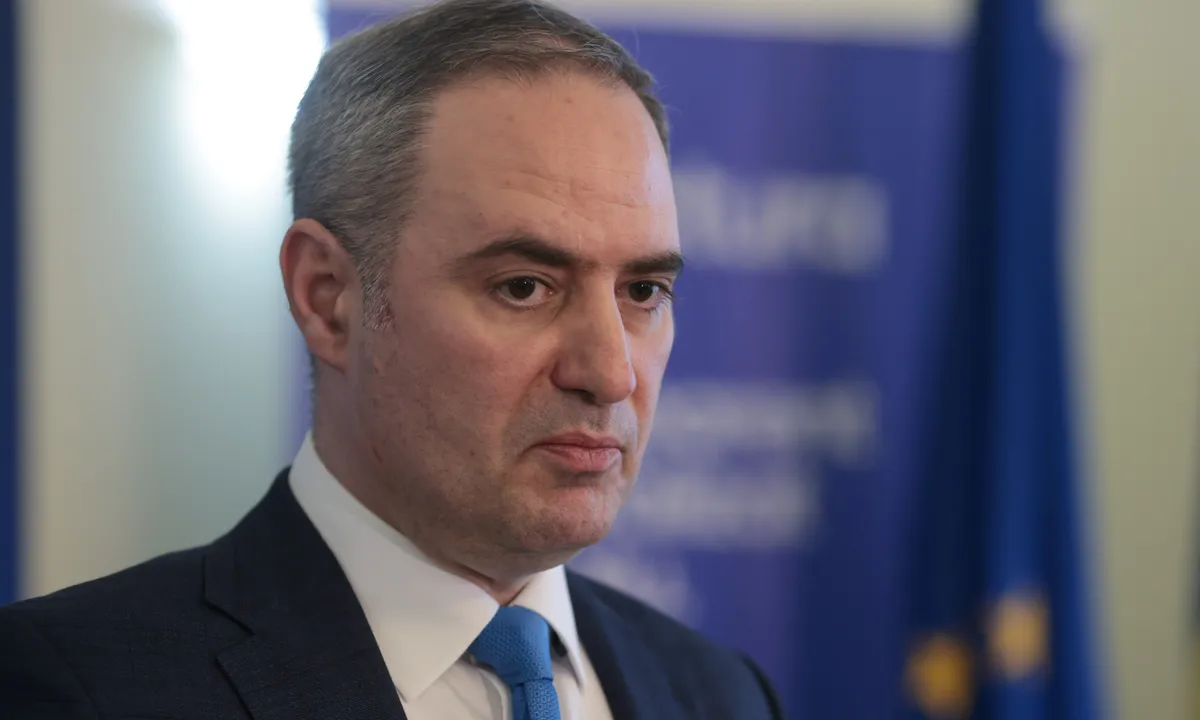
S&P reaffirms Romania's rating at "BBB-". Nazare: "An important result, but insufficient"
2 October 2026

Daniel Dăianu: Romania is not at risk of a downgrade from S&P, but the situation remains serious
2 October 2026

Mureșan blames PSD-AUR for the leu's fall: "They are creating instability and economic uncertainty"
2 October 2026
ROBOR rose to 6.11%, the second consecutive increase. Loan repayments are becoming more expensive
2 October 2026
S&P Decides Romania's Credit Rating Today: What a Potential Downgrade to "Junk" Status Would Mean
2 October 2026