
Lumbar Disc Herniation with Spinal Canal Stenosis: the Case of a Surgically Treated Patient
A man suffering from severe lower back pain was diagnosed with an L5-S1 disc herniation and spinal canal stenosis. He underwent emergency surgery and was discharged the following day.
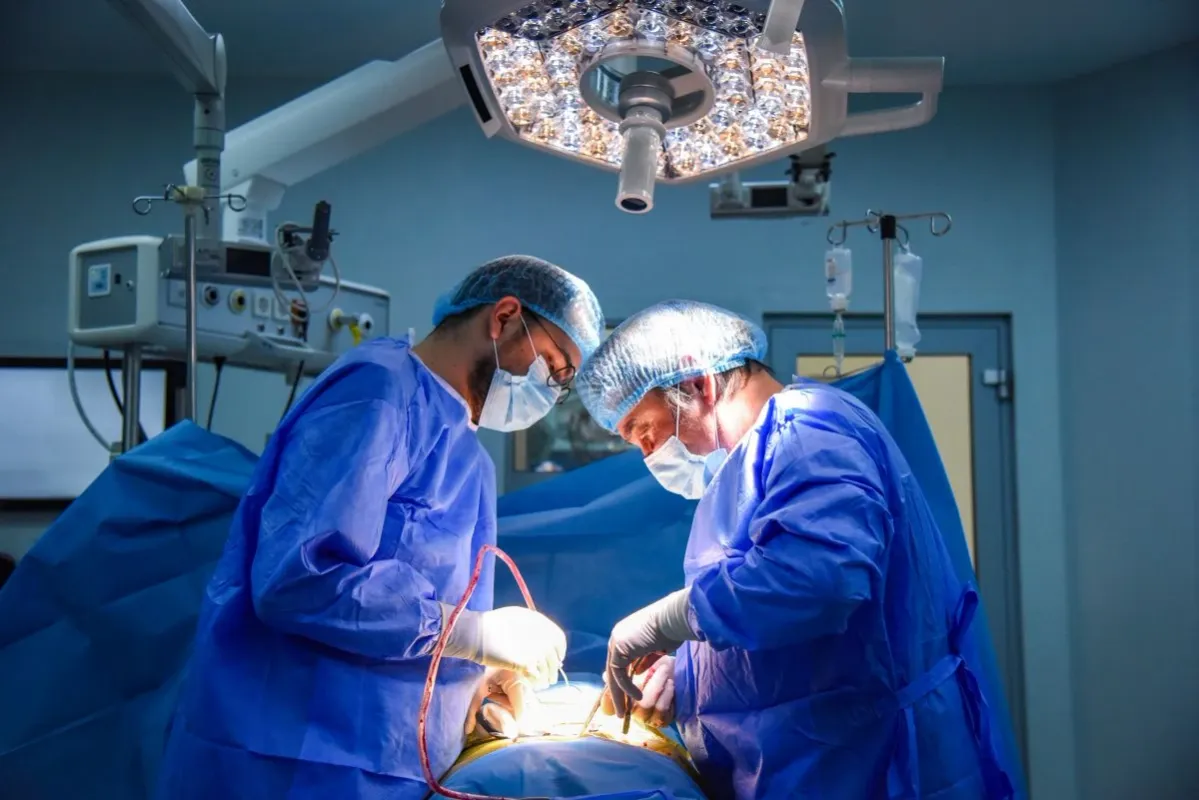
Back pain can be triggered by a sedentary lifestyle, excess weight, or activities that place excessive strain on the spine. When the discomfort becomes severe, occurs alongside numbness or other neurological symptoms, or fails to respond to conservative treatment, doctors recommend a specialist consultation to determine the exact cause. One possible cause is a herniated disc.
George had been putting off a visit to the doctor for a long time, despite suffering from intense lower back pain. After days of barely tolerable discomfort, he presented at SANADOR Clinical Hospital, where he was examined by Dr Ovidiu Grămescu, primary care physician in neurosurgery and Head of the Neurosurgery Department at the hospital.
Detailed imaging investigations revealed that the man was suffering from a ruptured lumbar disc herniation at the L5-S1 level, against a background of lumbar spinal canal stenosis at the L4-L5 and L5-S1 levels.
What these conditions mean
A lumbar disc herniation occurs when the nucleus pulposus — the soft inner core of the disc between the vertebrae — protrudes through a tear in the fibrous ring that normally surrounds it. When the herniated fragment presses on or irritates a nerve root, it can cause lower back pain radiating down the leg, numbness, tingling, or muscle weakness.
Lumbar stenosis refers to the narrowing of the spinal canal in the lower part of the spine and can itself cause pain, weakness, or difficulty walking. The two conditions may occur separately or simultaneously, and a herniated disc can even contribute to the narrowing of the spinal canal.
The surgical procedure
Given the severity of the symptoms and the results of the investigations, Dr Ovidiu Grămescu determined that emergency surgery was necessary. George consented to the procedure and was operated on at SANADOR Clinical Hospital by the same doctor. The data obtained through advanced imaging investigations, regarding the location and characteristics of the herniation, were essential in planning the operation.
The procedure was completed without complications, and the patient's favourable progress allowed him to be discharged the very next day. George expressed satisfaction with both the outcome of his treatment and his communication with the doctor, as well as his overall experience at SANADOR.
Hospital facilities
At SANADOR Clinical Hospital, patients have access to neurosurgery consultations and advanced imaging investigations, including 3 Tesla MRI and 128-slice CT scanning, ensuring an accurate diagnosis and a treatment strategy tailored to each individual case. In the case of disc herniation, treatment is determined on an individual basis and may include physical rehabilitation or, where there is a clinical indication, surgical intervention.
Procedures are performed using minimally invasive techniques, with Zeiss Kinevo 900 surgical microscopes that provide detailed, magnified images of the operative field. Spinal surgery takes place in a fully equipped operating theatre, supported by a Category I Anaesthesia and Intensive Care Unit with an extended level of competence.
Content paraphrased and adapted by SeniorHelp from verified public sources.
Original source: Realitatea →Previous article
Patient aged 69, oxygen-dependent, died after a fall at the Cluj Pneumophthisiology Hospital
Next article
Test from tears for detecting brain tumours, developed by a researcher from Manchester
Similar news
He Survived Colon Cancer Three Times. He Hid the First Sign for Years
13 October 2026
DXA Osteodensitometry: how bone density and fracture risk are assessed
13 October 2026
Chronic inflammation can damage the heart before symptoms appear, shows a study of 488,000 people
13 October 2026
Hepatitis A in Constanța: 23 outbreaks, 130 cases, under DSP monitoring
12 October 2026
Groin swelling: what it could indicate
12 October 2026
 Foto ilustrativă
GPs warn: flu vaccination should not be delayed
11 October 2026