
Expensive gas could push inflation higher faster in the eurozone, ECB warns
The ECB announces that the rise in gas prices, over 140% compared to last year, could be reflected in bills more quickly. Electricity would be less affected, thanks to renewable energy.
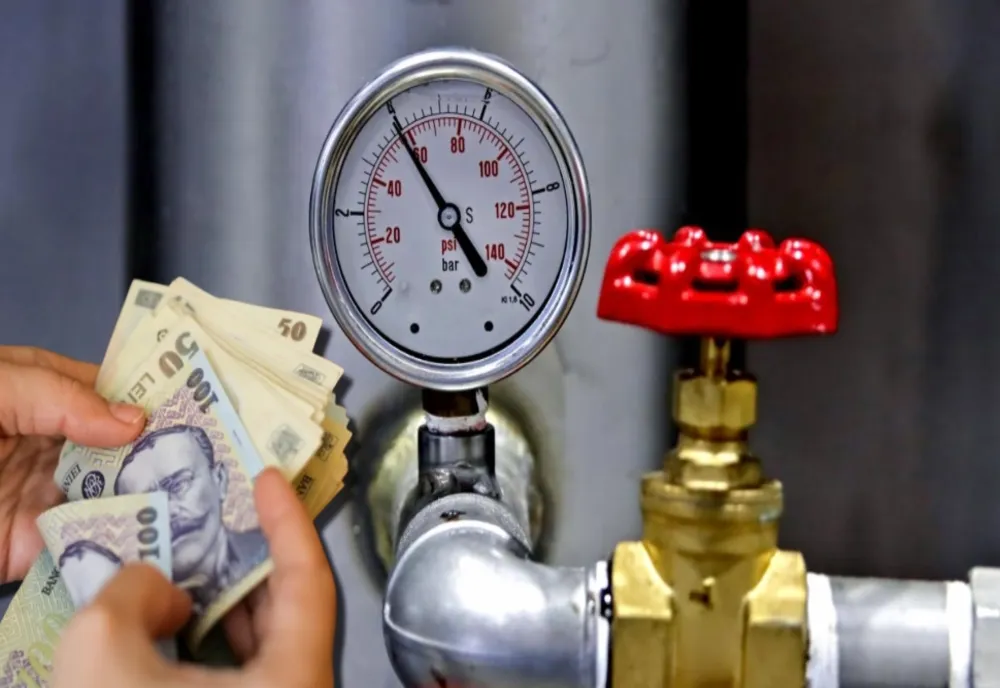
The European Central Bank (ECB) warns that the sharp rise in natural gas prices could feed through into euro area inflation more quickly than in the past. Electricity bills, on the other hand, are expected to be less affected by this shock, against a backdrop of growing renewable energy's share in European power generation.
Wholesale natural gas prices have risen by more than 140% compared to the same period last year. Contributing factors include constrained global supply due to the war in Iran, as well as low gas storage levels across Europe — a factor that increases the risk of further price increases.
Why price rises are reaching consumers more quickly
Following the outbreak of the Russia-Ukraine war in 2022, which curtailed gas deliveries, European markets became more flexible. Shorter-term contracts and more adaptable pricing mean that changes in the wholesale market are being passed on to household bills more rapidly.
According to a survey conducted by central banks in member states, in more than half of euro area countries, changes in wholesale gas prices feed through into gas inflation within one to three months — a shorter timeframe than in 2022. In around 10% of countries, the process takes between four and six months, whilst in a third of countries the effects materialise after seven to twelve months, according to data cited by Reuters.
Fewer countries with slow price pass-through
The ECB highlights an important shift: the number of countries where gas market developments reach consumers very slowly has fallen significantly.
"It is important to note that the share of countries where price pass-through is slow, within a timeframe of 13 to 24 months, has fallen from around 40% to approximately 5% since 2022," the ECB stated.
These findings come as euro area inflation has already exceeded 3%, above the ECB's 2% target. Some economists estimate that the rate could reach 4% by the end of the year, which could place additional pressure on the ECB regarding interest rate decisions, following two rate increases in recent months.
Electricity less sensitive to gas price rises
The situation differs when it comes to electricity. The ECB notes that electricity prices are now less closely tied to gas price movements than in the past, as the growing output from renewable sources has reduced the role of gas in determining costs.
In practical terms, a renewed sharp rise in gas prices could quickly show up in gas-specific inflation, without electricity bills reacting with the same degree of force.
"These developments suggest that changes in wholesale gas prices may feed through into gas price inflation, as measured by the HICP, somewhat more quickly than in the past, but with a more limited impact on electricity price inflation," the ECB said, referring to the Harmonised Index of Consumer Prices.
Content paraphrased and adapted by SeniorHelp from verified public sources.
Original source: Realitatea →Previous article
Study: REM sleep linked to lower risk for dozens of diseases
Next article
More and more Romanians say they are worse off: low incomes and rising prices are the main concern
Similar news
 Foto ilustrativă
Unemployment rose in August to 260,919 people, the majority aged over 55
25 September 2026
ROBOR at three months rose to 5.93%, the highest level in the past seven months
24 September 2026
 Foto ilustrativă
Nazare, after meeting with S&P: budget execution, the main argument for maintaining the rating
24 September 2026

Rising maintenance bills: pensioners fear the costs of this winter
24 September 2026
Alexandru Nazare: there is no risk to the payment of pensions and salaries at this time
24 September 2026
INSCOP Poll: over half of Romanians see no economic recovery; 61% among AUR voters
23 September 2026