
INSCOP Poll: over half of Romanians see no economic recovery; 61% among AUR voters
Only 10.3% of Romanians expect a clear improvement in the economy within 12 months. 51.2% do not believe in a recovery at all, a figure that rises to 61% among AUR voters.
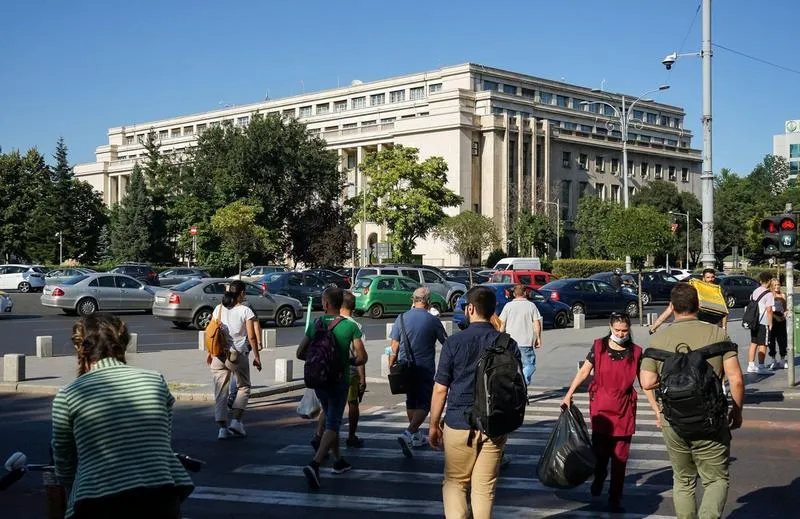
A survey conducted by INSCOP Research for NewMoney.ro shows that Romanians remain deeply pessimistic about economic prospects. Only 10.3% of respondents believe they will notice a clear improvement in the economic situation over the next 12 months, whilst 51.2% feel that no recovery is in sight in the near future. The results were presented on Wednesday at the Academy of Economic Studies in Bucharest.
The Economic Sentiment Index rose slightly, from -39.5 points in June to -38.1 points in September. However, the difference of just 1.4 points does not represent a genuine shift in mood, with public sentiment remaining firmly in negative territory. The index is calculated on a scale from -100 to +100 by subtracting negative opinions from positive ones, with values below zero indicating a predominance of unfavourable perceptions.
Regarding the timing of a possible improvement, 4.3% of those surveyed expect it within the next six months, 6% within a six-month to one-year timeframe, 15.9% in one to two years, and 17.1% believe it will take more than two years. More than half — 51.2% — see no improvement on the horizon in the foreseeable future.
AUR voters the most pessimistic
Pessimism is strongest among AUR voters, 61% of whom see no recovery on the horizon. Similar figures appear among women (58%), people aged between 30 and 44, those with primary-level education, and rural residents (57% each).
At the opposite end of the spectrum are USR voters, of whom only 25% report having no hope of improvement, and those aged under 30, where the figure stands at 33%.
Remus Ștefureac, Director of INSCOP Research, commented: "Economic pessimism relates not only to the present, but also to the perceived duration of hardship. For a large proportion of the population, recovery is either pushed into the distant future or disappears entirely from the foreseeable horizon. What is taking shape is not merely a deficit of optimism, but a deficit of economic perspective."
With regard to income, 42.3% of respondents say their earnings have fallen over the past year, 44.5% say they have remained unchanged, and only 12.2% report an increase. Expectations for the next six months are somewhat more optimistic: 16.3% believe their household income will rise (compared to 11.5% in June), around 45% expect it to stay the same, and 34.7% anticipate a decline.
Six in ten respondents say they have little or no control over their own economic situation in the years ahead. Only 8.3% feel they have a very high degree of control, and 28.5% a fairly high degree.
Lower spending, but more savings plans
According to the survey, 56.4% of Romanians intend to spend less over the next six months, around 33% will maintain their current level of spending, and only 9.4% plan to spend more.
At the same time, intentions to save, invest, and make significant purchases have increased. The proportion of those wishing to buy euros rose from 17% to 24.1% (up 7.1 percentage points). Those intending to save in a bank deposit in RON increased from 20.6% to 27.4%, whilst those looking to purchase government securities rose from 5.2% to 7.3%.
The largest increase was seen in the intention to buy household appliances or furniture: from 23.6% to 34.1% (up 10.5 percentage points). The intention to buy a car rose from 9.5% to 15.4%, and the intention to purchase a home from 8.7% to 11.3%.
Remus Ștefureac explained this apparent contradiction: "The data reveal what looks like a paradox: pessimism persists, yet the intention to take economic action is growing. Romanians are increasingly reporting both intentions to save and invest and intentions to make significant purchases. This does not necessarily signal a return of optimism, but rather the beginning of a behavioural adaptation to an economic environment perceived as difficult and enduring. The rise in purchase intentions does not contradict this picture — it may instead indicate a shift towards more selective and carefully prioritised consumption."
According to the report, Romanians appear to be reorganising their economic behaviour to cope with a context they perceive as long-term rather than temporary — through greater caution in day-to-day spending, careful selection of purchases, and a growing interest in protecting their financial resources.
The research was conducted by INSCOP Research at the request of NewMoney.ro, in partnership with Informat.ro and Strategic Thinking Group. Data were collected through telephone interviews between 1 and 7 September 2026, on a sample of 1,100 people, with a maximum margin of error of ±2.95% at a 95% confidence level.
Content paraphrased and adapted by SeniorHelp from verified public sources.
Original source: Digi24 →Previous article
Radiotherapy in the treatment of lung cancer: when and how it is used
Next article
Euro reaches a new all-time high: 5.2788 RON, announced by the NBR on Wednesday
Similar news
 Foto ilustrativă
Unemployment rose in August to 260,919 people, the majority aged over 55
25 September 2026
ROBOR at three months rose to 5.93%, the highest level in the past seven months
24 September 2026
 Foto ilustrativă
Nazare, after meeting with S&P: budget execution, the main argument for maintaining the rating
24 September 2026

Rising maintenance bills: pensioners fear the costs of this winter
24 September 2026
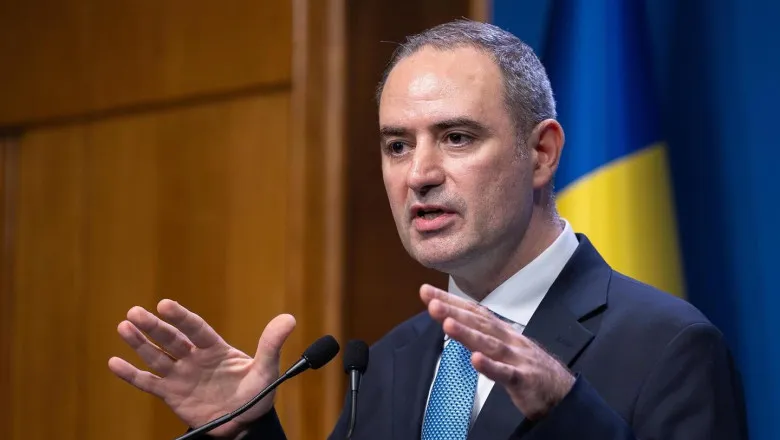
Alexandru Nazare: there is no risk to the payment of pensions and salaries at this time
24 September 2026
Euro reaches a new all-time high: 5.2788 RON, announced by the NBR on Wednesday
23 September 2026