
How to Manage Post-Stroke Recovery at Home
Daily routine, recovery exercises, necessary home adaptations and warning signs requiring urgent intervention – a comprehensive guide for families caring for a senior after a stroke.
Contents
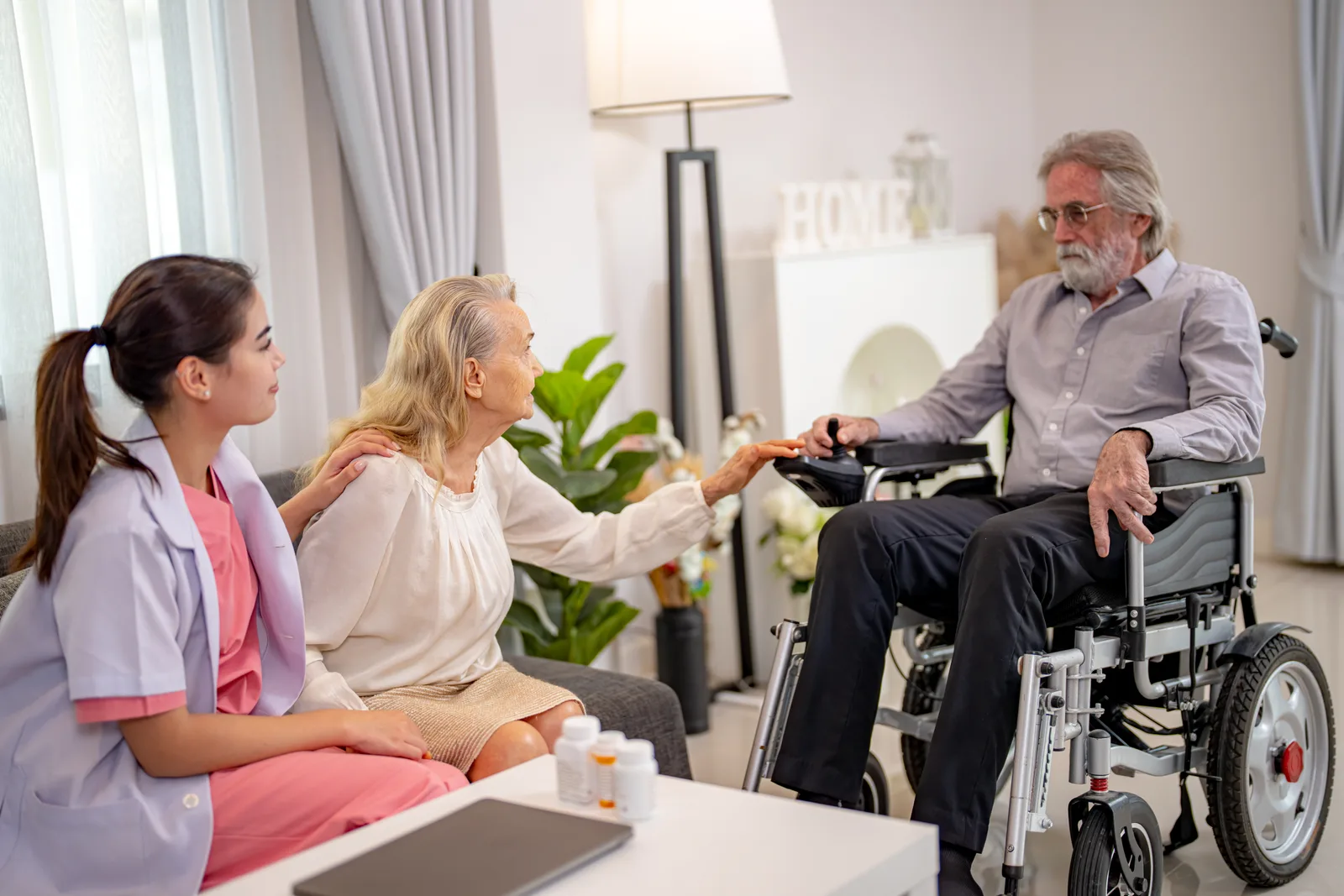
Coming home after a stroke is a moment filled with conflicting emotions for the entire family. On one hand, there is the joy of having your loved one safe in familiar surroundings. On the other, there is the anxiety of managing their recovery and uncertainty about the days ahead. If you find yourself in this situation, know that you are not alone – every year, tens of thousands of families across Romania face the same challenge and succeed in providing quality home care.
Recovery after a stroke is a complex process that requires patience, organisation, and ongoing support. Every patient progresses differently, and the first months at home are critical for regaining lost function. With a well-established routine, tailored exercises, and careful attention to warning signs, you can transform your home into a safe therapeutic environment where your loved one can gradually regain their independence.
In this guide, we will walk you through everything you need to know about home care after a stroke: from realistic expectations and necessary home adaptations, to recovery exercises and knowing when to seek urgent medical help. Because recovery is not just about physical therapy – it is also about emotional support, consistent motivation, and preventing complications that may arise.
Contents
- What the home recovery phase involves and realistic expectations
- Recommended daily routine: exercises and therapies
- Adapting the home for maximum safety
- Warning signs that require urgent intervention
- The family's role in recovery and preventing depression
- When and how to turn to specialist carers
- Frequently asked questions
What the home recovery phase involves and realistic expectations
The first week at home after discharge can be overwhelming. You may notice that your loved one is not yet able to do things they once did with ease, which can cause frustration for both the patient and the family. It is important to understand that stroke recovery is a marathon, not a sprint – progress will become visible over weeks and months, not days.
Statistics show that most patients make significant progress in the first 3–6 months after a stroke, but recovery can continue beyond this period with consistent exercise and motivation. Every patient has their own pace, influenced by the severity of the stroke, the area of the brain affected, age, and overall health.
Realistic expectations in the first few months
It is essential to set realistic expectations and to celebrate every small step forward. Here is what to expect depending on the severity of the stroke:
- Minor stroke: Recovery can be almost complete within 2–3 months, with the possibility of returning to everyday activities
- Moderate stroke: Partial recovery within 6–12 months, with the possibility of regaining some independence and mobility
- Severe stroke: Recovery is a lengthy process that can take years, requiring permanent assistance and major lifestyle adjustments
- Cognitive functions: Memory, attention, and decision-making abilities can gradually improve with consistent stimulation
- Speech and language: Speech and language therapy can bring significant improvements even after months of exercises
What doctors say at discharge
At discharge, the neurologist or rehabilitation doctor will provide specific recommendations: the medication to continue, dietary restrictions, the permitted level of physical activity, and the schedule for follow-up appointments. Keep these instructions to hand and do not hesitate to ask for clarification if anything is unclear. You will also likely receive a medical letter containing the full diagnosis and recommendations for your GP.
Recommended daily routine: exercises and therapies
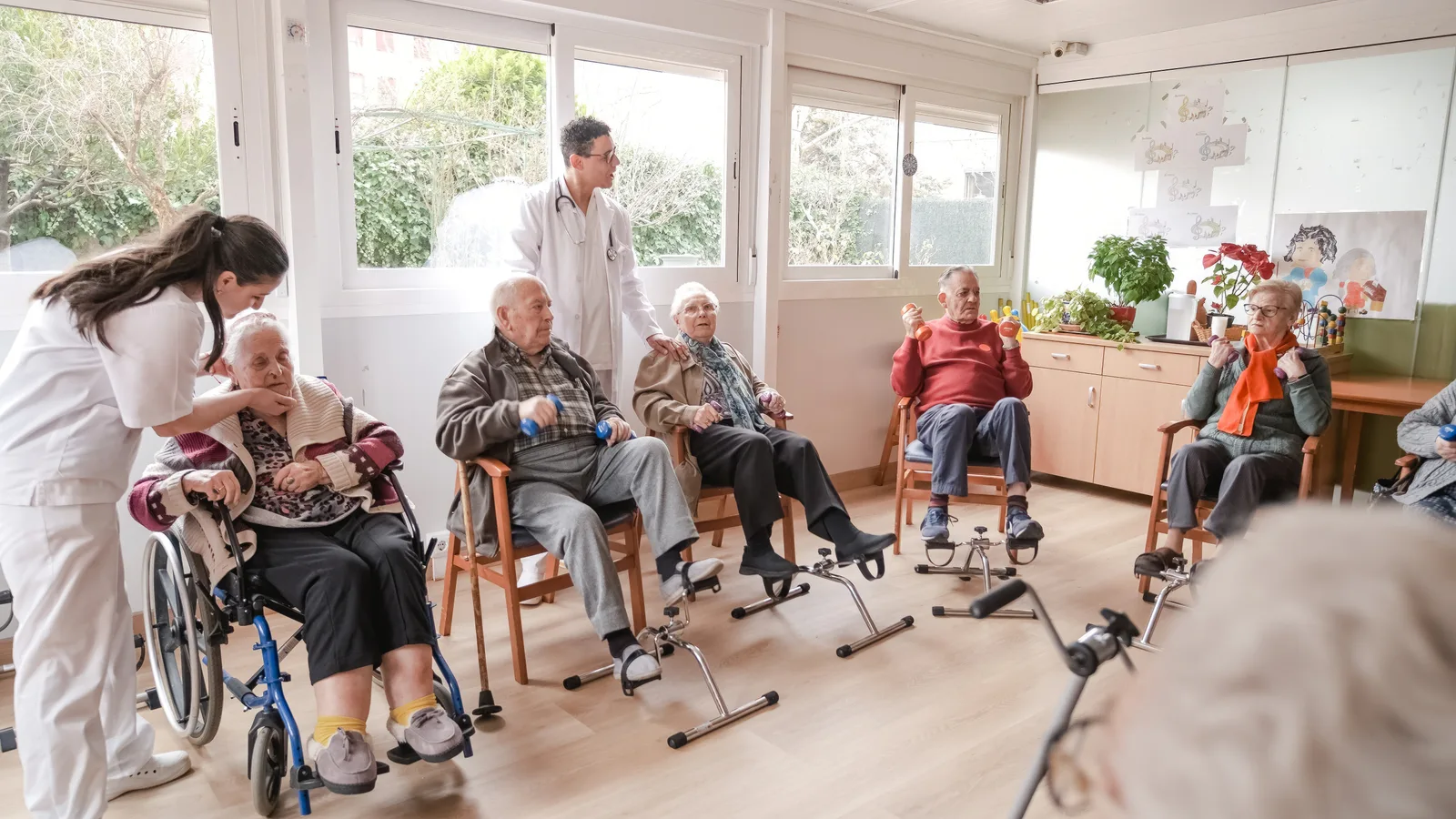
Structuring the day around a clear routine is essential for recovery. A typical day should include dedicated time for physiotherapy, cognitive stimulation, rest, and social interaction. The regularity of these activities helps the brain form new neural connections and compensate for the areas affected by the stroke.
In the first few weeks, it is recommended to work with a specialist – whether a physiotherapist, speech and language therapist, or occupational therapist – who can assess specific needs and create a personalised recovery plan. These sessions can take place at home, which makes it easier to continue exercises in a familiar environment.
Home physiotherapy
Physical exercise is fundamental to regaining mobility and muscle strength. Physiotherapy must be tailored to the patient's current abilities and gradually increased in intensity:
- Passive exercises: In cases of severe paralysis, the physiotherapist or family member assists with moving the limbs to prevent joint stiffness
- Active-assisted exercises: The patient attempts to move the affected limb with partial assistance from the therapist
- Balance exercises: Standing with support, transferring from bed to chair, walking with a frame
- Functional training: Exercises that simulate everyday activities – lifting a glass, dressing, brushing teeth
- Recommended frequency: A minimum of 2–3 sessions of 30–45 minutes daily, with rest breaks
Speech and language therapy and cognitive stimulation
If the stroke has affected speech or the ability to understand language, speech and language therapy is essential. A speech therapist can visit the home for specialist sessions, but in between, the family can help with simple exercises:
- Read a newspaper or simple books together, encouraging the patient to repeat words
- Use pictures to name objects – "What is this?" – and allow time for a response
- Sing familiar songs – music activates different areas of the brain
- Play word games, riddles, or simple puzzles for cognitive stimulation
- Encourage brief conversations about enjoyable memories from the past
Who can help with therapies
Home recovery requires periodic professional support. You can call upon physiotherapists, speech therapists, and specialist medical carers experienced in post-stroke recovery, who can visit the home for regular sessions. In some cities, home rehabilitation services are also partially covered by the National Health Insurance Fund – speak to your GP about this option.
Adapting the home for maximum safety
A safe environment is essential for preventing accidents during recovery. After a stroke, balance and coordination may be impaired, and the risk of falls increases significantly. Home adaptations do not need to be costly – many are straightforward and can be implemented immediately.
Essential modifications in the first few weeks
- Remove loose rugs or secure them firmly to the floor to prevent slipping
- Install grab rails in the bathroom, next to the toilet, and in the bath or shower
- Ensure good lighting on all pathways throughout the home, including a night light on the route to the bathroom
- Clear access routes – remove excess furniture, electrical cables, and other obstacles
- Use a shower chair for safe bathing
- Place frequently used items at an accessible height, without requiring reaching or bending
- Consider a medical bed with adjustable height if the patient has difficulty getting out of bed
Preventing falls – the top priority
Falls are the most common complication in patients recovering from a stroke and can lead to fractures, head injuries, or a loss of confidence in the ability to move about. To reduce this risk, encourage your loved one to ask for help when moving around, to use walking sticks or frames recommended by the physiotherapist, and to avoid rushing. Footwear should be comfortable, with a non-slip sole and no laces that could come undone.
Warning signs that require urgent intervention
Even whilst your loved one is recovering at home, there are situations when you must act immediately and seek emergency medical help. Recognising warning signs quickly can save lives and prevent a deterioration in health.
When to call 112 without hesitation
These symptoms may indicate a new stroke or other serious complications requiring urgent medical intervention:
- Sudden weakness or numbness in the face, arm, or leg, especially on one side of the body
- Sudden confusion or difficulty speaking or understanding speech
- Sudden vision problems in one or both eyes
- Severe headache with no known cause, different from usual headaches
- Loss of balance or difficulty walking, severe dizziness
- Seizures or loss of consciousness
- Chest pain or difficulty breathing
Symptoms requiring a same-day consultation
Some symptoms are not immediately life-threatening but do require prompt medical assessment – contact your GP or go to the emergency department:
- Fever above 38 degrees Celsius – may indicate an infection
- Swelling or pain in the calves – a possible sign of venous thrombosis
- Unusual bleeding or extensive bruising – particularly if the patient is taking anticoagulants
- Persistent difficulty swallowing or frequent coughing during meals
- Sudden changes in mood or behaviour – extreme agitation or lethargy
The family's role in recovery and preventing depression
Physical recovery is only one part of the process – the emotional wellbeing of a post-stroke patient is equally important. Studies show that approximately one third of stroke survivors develop depression within the first few months, which can significantly slow the recovery process. The family plays a crucial role in maintaining morale and motivation.
Post-stroke depression is not a character weakness or a lack of willpower – it is a natural response to major changes and the temporary or permanent loss of certain abilities. Signs may include persistent sadness, loss of interest in enjoyable activities, sleep disturbances, poor appetite, or social withdrawal.
How to support motivation every day
- Celebrate small achievements: Every step taken independently, every word spoken clearly deserves to be acknowledged and encouraged
- Maintain social routines: Visits from friends and family, video calls with grandchildren – social contact is therapeutic
- Involve the person in decisions: Even with limitations, let them choose what they would like to eat or which exercise schedule they prefer
- Avoid overprotectiveness: Encourage independence within safe boundaries – doing things independently takes longer, but builds confidence
- Listen with patience: Allow time for self-expression, even when speech is difficult
- Maintain an optimistic yet realistic atmosphere: Avoid exaggerated promises, but offer well-founded hope
When to seek mental health support
If you notice persistent signs of depression – more than two weeks of profound sadness, loss of desire to participate in therapies, or self-destructive thoughts – speak to the neurologist or GP about the possibility of a psychological assessment. Cognitive therapy and, in some cases, antidepressant medication can make an enormous difference to quality of life and recovery progress.
When and how to turn to specialist carers
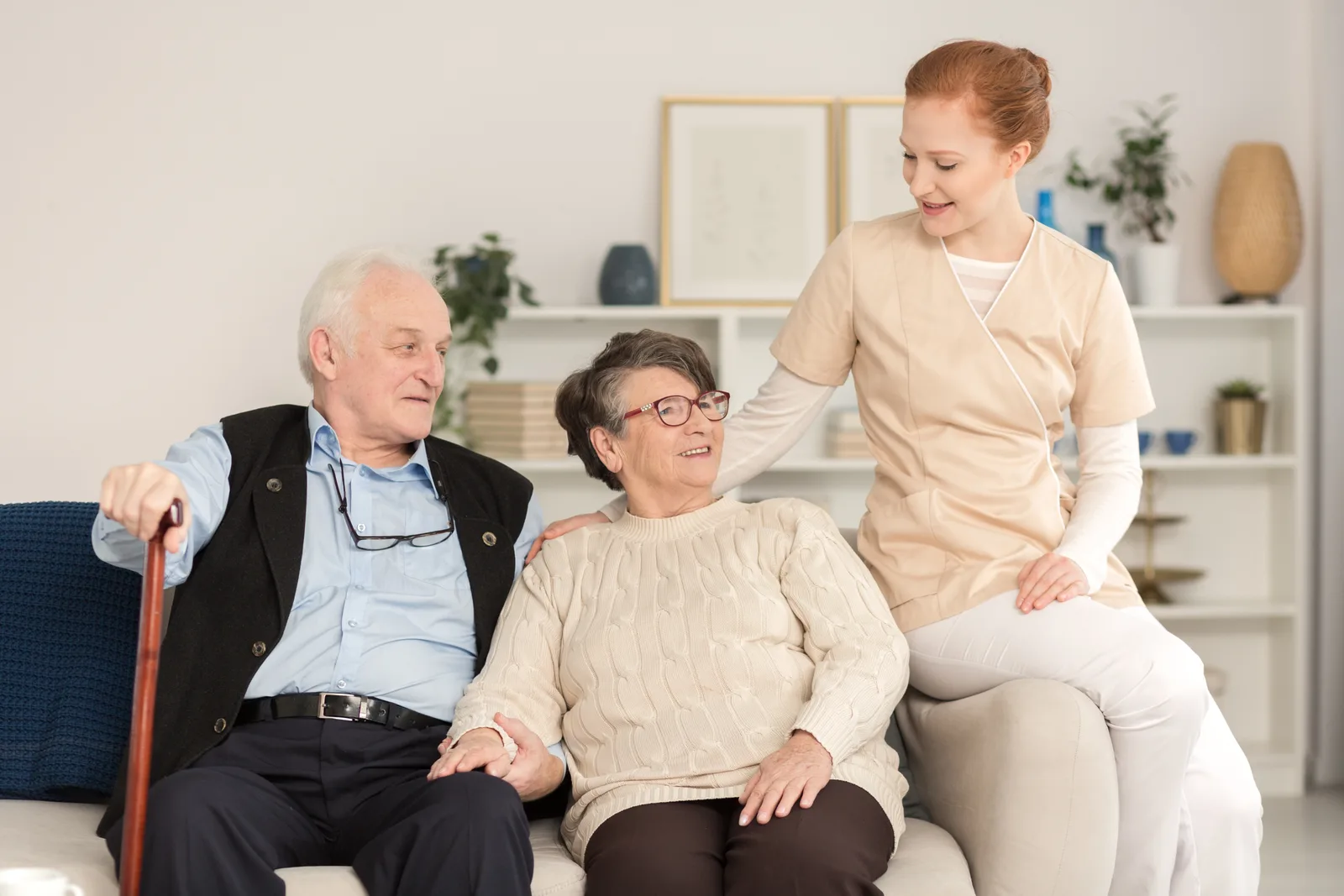
Caring for a post-stroke patient at home can become overwhelming for the family, particularly if members have other professional responsibilities or if recovery requires continuous assistance. There is absolutely no shame in acknowledging that you need help – in fact, turning to professionals can significantly improve the quality of care and prevent family carers from burning out.
The benefits of a specialist carer
Professional carers trained in post-stroke recovery bring expertise and patience to managing daily needs. They can assist with:
- Recovery exercises: Continuing physiotherapy between specialist sessions
- Personal hygiene: Assistance with bathing, dressing, and toileting – preserving the patient's dignity
- Medication management: Administered at the correct times and in the prescribed doses
- Continuous monitoring: Observing warning signs and communicating with the family
- Companionship and stimulation: Conversation, cognitive games, and outdoor walks
- Meal preparation: In line with the recommended diet and adapted to any swallowing difficulties
How to choose the right service
When looking for a home care service, verify that the carers have a basic medical background and, ideally, experience with neurological patients. Speak openly about your loved one's specific needs, the hours required, and the available budget. Services can range from a few hours per day to 24/7 care, depending on the severity of the case and the family's resources.
The right carer is not simply someone who carries out tasks – they are a partner in recovery, who understands the patient's emotional challenges and builds a relationship of trust. Do not hesitate to request a trial period to see whether the carer and your loved one are a good match.
Frequently asked questions
How long does full recovery from a stroke typically take?
Recovery varies greatly from patient to patient. Most progress is seen in the first 3–6 months, but improvements can continue after a year or more with consistent exercise. Full recovery depends on the severity of the stroke and the areas of the brain affected – some patients regain almost all of their functions, whilst others are left with certain permanent limitations.
Can a post-stroke patient be left alone at home, or do they need constant supervision?
In the first few weeks after discharge, most patients require constant supervision due to the risk of falls and the need for assistance with daily activities. As recovery progresses and independence increases, some patients can be left alone for short periods. Speak to the doctor to assess when it is safe to leave your loved one unsupervised.
Is it normal for the patient to feel very tired and sleep a lot in the first few months?
Yes, extreme fatigue is very common after a stroke – the brain uses a great deal of energy for recovery and the formation of new neural connections. Sleep is essential for healing. However, do ensure that there are also periods of activity and exercise each day, in line with the therapeutic plan. If drowsiness is excessive and prevents participation in therapies, speak to the doctor.
How can I prevent a second stroke?
Preventing a further stroke involves strict management of risk factors: taking prescribed medication correctly (anticoagulants, antihypertensives), keeping blood pressure within normal limits, managing diabetes, following a healthy diet low in salt and saturated fats, taking moderate physical exercise, and stopping smoking. Regular medical check-ups are essential for adjusting treatment as needed.
Can recovery exercises be done alone, or is a physiotherapist absolutely necessary?
It is important to begin with a professional physiotherapist who can assess current capabilities and create a personalised exercise plan. Once the correct techniques have been learnt, many exercises can be continued at home by the patient together with the family. However, periodic reassessments with the physiotherapist remain necessary to adjust the level of difficulty and correct any errors in technique.
When can the patient return to their favourite activities – driving, cooking, gardening?
Returning to activities depends on the functions affected and the progress of recovery. Driving requires explicit medical approval and testing of reflexes and coordination. Cooking and gardening can be gradually resumed under supervision as mobility and coordination improve. Discuss with the doctor and occupational therapist the safe time to resume each activity – some may be adapted to make them more accessible.
Recovery after a stroke is a journey you take together – the patient, the family, and the medical team. Every small step forward is a victory and deserves to be celebrated. With patience, consistency, and professional support when needed, many people succeed in regaining a great deal of their independence and living a meaningful life. If you feel you need additional help – whether that is home care, physiotherapy, or simply someone to listen to your concerns – do not hesitate to speak to your GP or contact a service specialising in elderly care. The health and wellbeing of your loved one, as well as your own as a carer, are equally important.
This article is for informational purposes only and does not replace medical advice. For specific situations, please consult a specialist.
Previous
Dehydration in the Elderly: When and How to Seek Specialist Help
Next
Care Home or Nursing Home? Differences, 2026 Prices and How to Choose
Similar articles
Dehydration in the Elderly: When and How to Seek Specialist Help
25 September 2026
Recovery After a Hip Fracture: What's Next for Your Elderly Loved Ones
24 September 2026
Activities for the Elderly: A Guide for Carers
23 September 2026
Recommended Vaccines for the Elderly: What Families Need to Know
23 September 2026
Myths and Facts About Adapting Your Home for Elderly Care
22 September 2026
What You Need to Know About Arthrosis and Joint Pain in Old Age
22 September 2026