
12-hour hospital shifts — how the reform will affect elderly care
The new organisation of medical on-call rotas and the reformed payment system could improve the quality of services for elderly patients in emergency hospitals.

A major reform in Romania's healthcare system promises to transform the way medical on-call shifts are organised, with a direct impact on the quality of care for elderly patients. The new approach proposes replacing marathon 24-hour shifts with 12-hour rotations in emergency hospitals — a measure that could significantly reduce medical staff fatigue and thereby improve the quality of care for older patients, who frequently attend emergency departments.
For elderly people, who account for a significant proportion of emergency service patients, this change could mean more attentive and effective medical care. A doctor who is well-rested after a 12-hour shift is far better placed to manage the complex cases of older patients, who often require thorough assessment and a personalised approach to multiple co-existing conditions.
The reform also proposes restructuring the remuneration system by introducing a fixed rate for each on-call shift, calculated according to the complexity of the hospital and the medical speciality. This measure is intended to replace the current system, widely regarded as outdated, which calculates on-call pay on the basis of 2017 salary levels — a situation that undermines doctors' motivation and, by extension, the quality of patient care.
Classification of on-call services
The new strategy introduces a clear classification of on-call duties into three distinct categories: home call, monitoring of admitted patients, and emergency cover for new cases. This distinction is particularly important for elderly care, as patients can receive medical services tailored to their specific situation — whether they require continuous monitoring during a hospital stay or urgent intervention.
For families with elderly members, these changes could mean a significantly improved experience within the healthcare system. Medical staff who are less overstretched and better remunerated will be able to devote greater attention to older patients, who often need more time for assessment and detailed explanations about their treatment.
The backing of this reform by the Colegiul Medicilor (Romanian Medical College) underlines the importance of recognising on-call shifts as counting towards seniority and of updating the pay structure. These measures will not only improve doctors' working conditions, but will also help stabilise the medical workforce by reducing the emigration that continues to drain Romania's healthcare system and, consequently, restricts older patients' access to quality medical care.
Content paraphrased and adapted by SeniorHelp from verified public sources.
Original source: Realitatea →Previous article
Foods That Slow Recovery in Elderly Patients With Flu and Colds
Next article
New private pensions law: Only cancer patients may withdraw their accumulated funds in full
Similar news

Forgetfulness in Old Age: What's Normal and When to Visit PROMEMORIA for a Check-up
9 October 2026

Over 80,000 Respiratory Infections Recorded in Romania in One Week, INSP Data Shows
9 October 2026
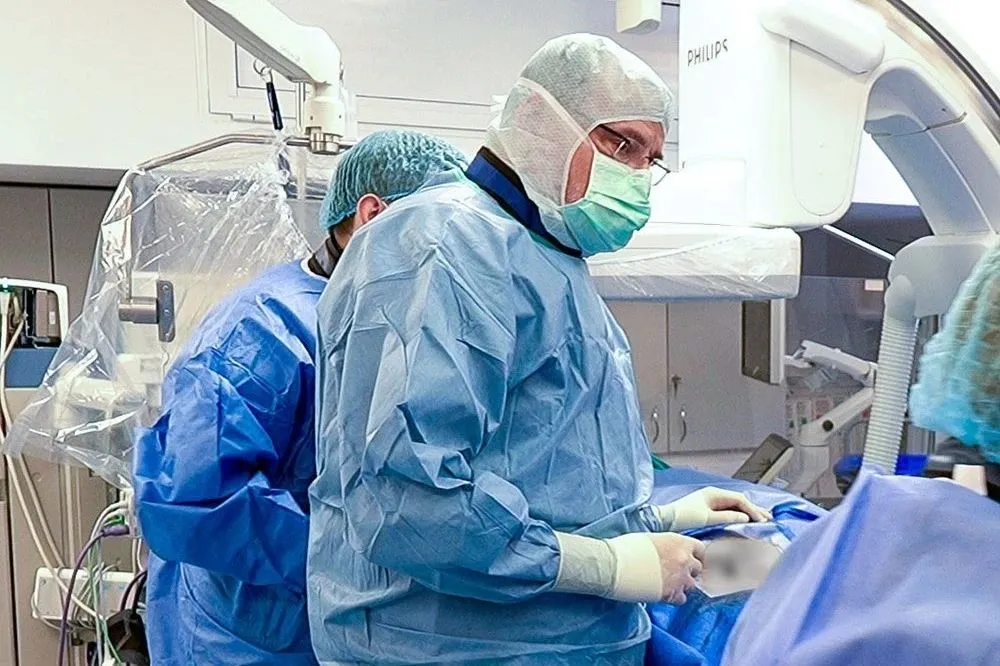
Insuficiență mitrală severă tratată minim invaziv, fără operație pe cord deschis
8 October 2026

Coronary Angiography: the investigation that reveals blockages in the heart's arteries
8 October 2026
DEXA: the scan that shows how healthy your bones are
8 October 2026
 Foto ilustrativă
What sleeping position is healthy? A doctor explains the risks of poor posture
8 October 2026