
Norovirus Epidemic in Europe: Hospitals Closed, Hundreds Infected. A Guide for Seniors
Massive norovirus outbreak in Wales forces hospital closures. Seniors more vulnerable to the highly contagious infection known as the 'two-bucket bug'.
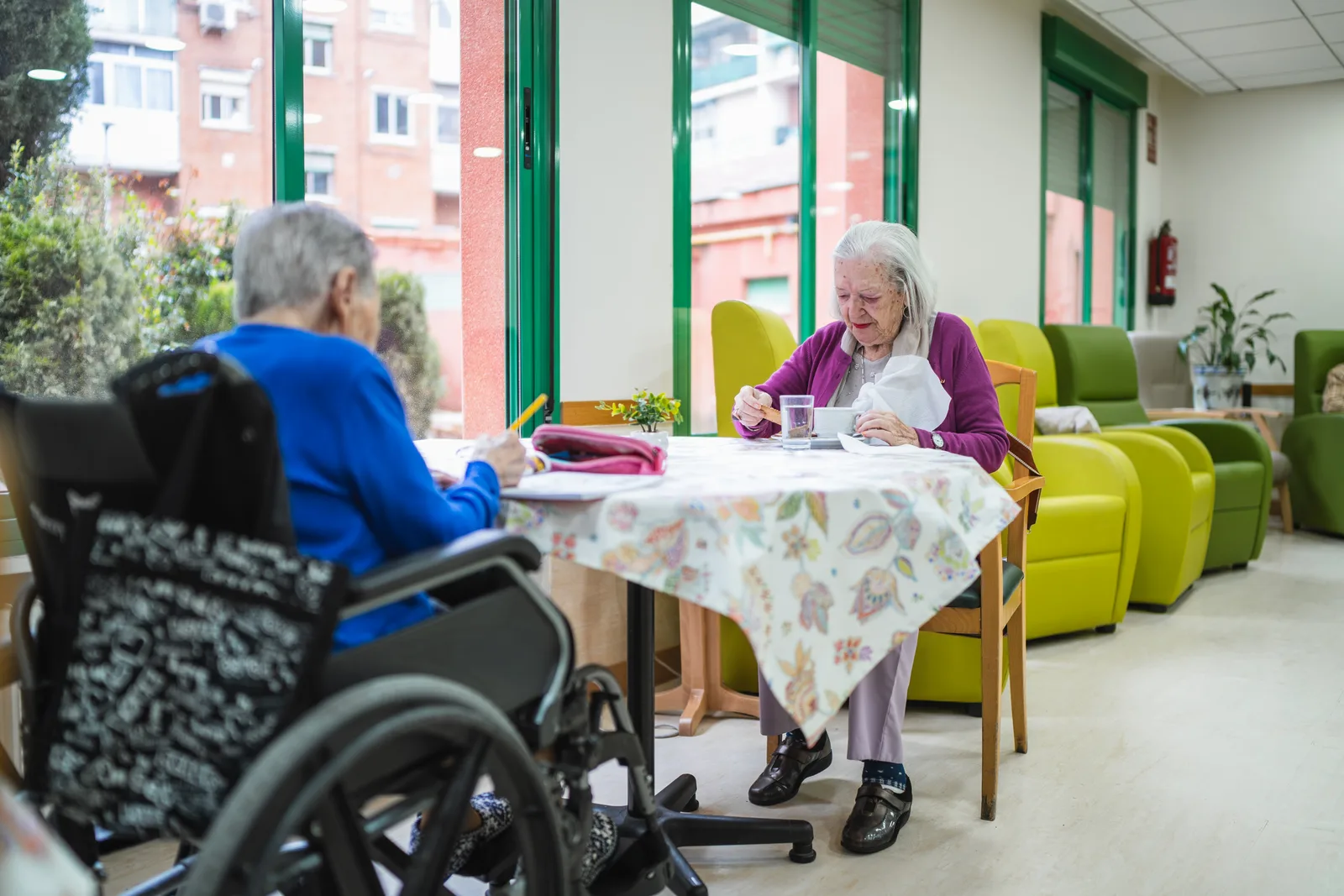 Foto ilustrativă
A severe norovirus outbreak is sweeping through the Welsh health system, forcing the closure of several hospital wards and the introduction of unprecedented restrictions on visitors. The situation is particularly concerning for elderly people, who are among the most vulnerable to this highly contagious viral infection.
The Royal Gwent Hospital in Newport is facing the worst outbreak, with more than 90 patients and 28 members of medical staff infected. The hospital has implemented stringent measures, permitting visits only in critical circumstances: delivery of essential personal items, urgent emotional support, or palliative care. This decision particularly affects the families of elderly inpatients, who can no longer rely on the regular visits that sustain their morale and wellbeing.
The impact on the elderly population is considerable, as older people have more fragile immune systems and are prone to serious complications when infected with norovirus. The severe symptoms — intense nausea, repeated vomiting, diarrhoea, and fever — can rapidly lead to dehydration and exhaustion in older adults, frequently requiring hospitalisation and close medical supervision.
Crucial protective measures for older adults
Health authorities are stressing that elderly people and their carers must strictly adhere to prevention protocols. Visitors to hospitalised older patients will not be permitted entry if they display any symptoms whatsoever — nausea, diarrhoea, coughing, or flu-like signs. The isolation period extends to 48 hours after symptoms have completely resolved, a measure that may create difficulties for families with elderly members in hospital.
The situation is worsening amid the virus's rapid spread across the entire Gwent region, with active outbreaks at several hospitals. Prince Philip Hospital in Llanelli has closed multiple wards, while Princess of Wales Hospital in Bridgend is reporting numerous cases. This epidemic is placing enormous pressure on the health system at precisely the time when elderly people are most in need of medical care.
Transmission and risks for the elderly community
Norovirus spreads extremely easily through direct contact with infected individuals, touching contaminated surfaces, or consuming food handled by those who are unwell. In care homes and residential centres, this high transmissibility can trigger devastating outbreaks, simultaneously affecting dozens of vulnerable residents.
The most concerning aspect for infected older adults is that alcohol-based hand sanitisers, commonly used in care settings, are not effective against this virus. The only reliable protection remains frequent, thorough handwashing with warm water and soap — a practice that must be stepped up across all elderly care centres.
Data from England confirms the gravity of the situation: 567 people were admitted to hospital last week due to norovirus, a significant rise from the 361 cases recorded the previous week. The combination of this outbreak and the return of influenza has prompted dozens of NHS trusts to declare critical incidents — the highest level of health alert.
Recommendations for caring for affected older adults
For elderly people who fall ill with norovirus at home, recovery requires particular attention to hydration, as dehydration can set in rapidly in this age group. Frequent fluid intake, light foods, complete rest, and paracetamol to ease discomfort are all recommended. Infected older adults should avoid cooking or sharing personal items with other household members — an essential measure to prevent transmission within the home.
Content paraphrased and adapted by SeniorHelp from verified public sources.
Original source: Realitatea →Previous article
Budget Delays for 2025 - Impact on Pensions and Services for Seniors
Next article
Romania Retains the Highest Inflation Rate in the EU: 8.6%, Four Times Above the European Average
Similar news

Microplastics in tap water can be reduced through boiling and filtering, a study shows
16 October 2026

Over 350,000 doses of flu vaccine to arrive in pharmacies next week
16 October 2026
First influenza-related death of this season confirmed by INSP: unvaccinated man from Cluj
16 October 2026

Partial Nephrectomy: The Operation That Treats Kidney Tumours and Preserves the Kidney
16 October 2026

Time spent in nature could improve one's relationship with food, a British study suggests
16 October 2026
What a liver operation involves: preparation and recovery
15 October 2026