
Two elderly women in critical condition after botulism poisoning from home-preserved foods
Women aged 56 and 67 hospitalised in intensive care in Vrancea after consuming contaminated preserved food
Two women aged 56 and 67 from Vrancea County are in a serious condition in intensive care after developing botulism following the consumption of contaminated preserved foods. The cases have triggered a major epidemiological investigation and are the first to be recorded in the region in six years.
Health authorities have established that both patients consumed preserved foods, though not the same type. The first woman appears to have consumed preserves outside her own home, as investigations carried out at her residence failed to identify any preserved products that could be the source of contamination.
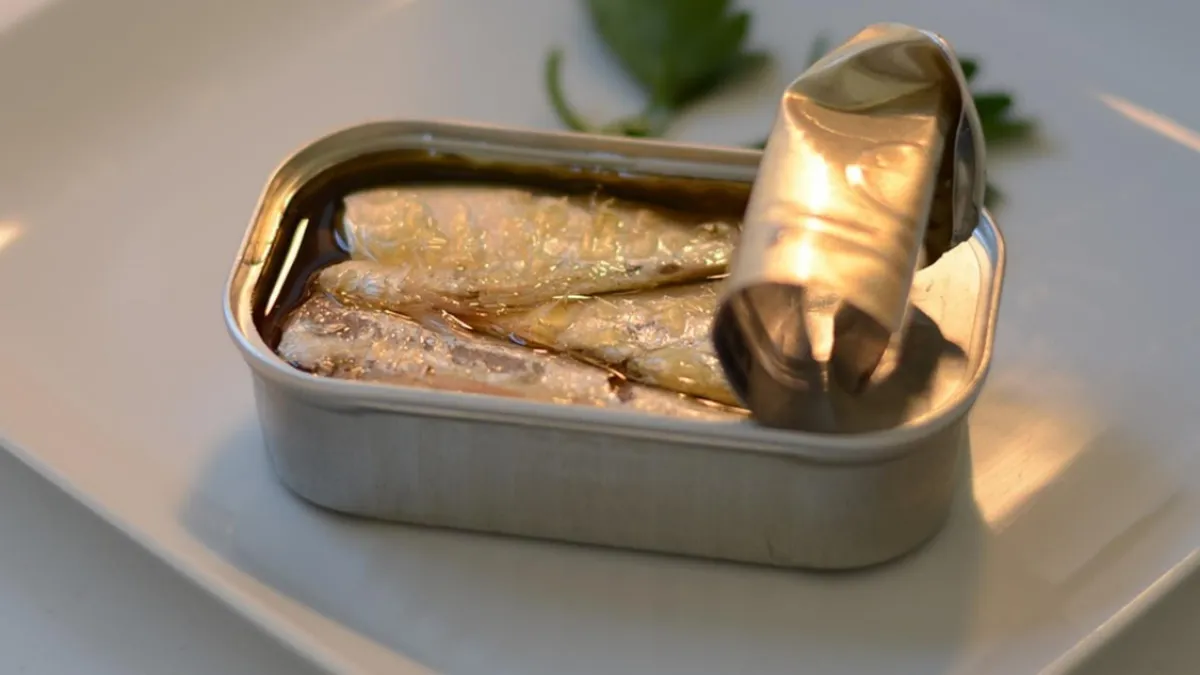
In the case of the second patient, the situation is more complex. Investigation teams discovered several types of home-made preserves at her residence, including home-prepared zacuscă (a traditional vegetable spread) and fish preserves. Doctors have issued a guarded prognosis for this patient, as the exact time at which she consumed the contaminated food is unknown — a crucial factor in the progression of the illness.
Botulism is a serious form of food poisoning caused by the toxin produced by the bacterium Clostridium botulinum, which thrives in oxygen-free environments such as improperly prepared preserves. The condition can have severe consequences, affecting the nervous system and causing progressive muscle paralysis.
For older people, the risks associated with botulism are greater due to an ageing immune system and possible pre-existing chronic conditions. Symptoms include blurred vision, difficulty swallowing and speaking, muscle weakness, and in severe cases, respiratory paralysis.
Public health specialists are reminding the public of the importance of following food safety measures when preparing home preserves. It is essential that the sterilisation process is carried out correctly and that preserves are stored under appropriate conditions. Any preserve with a suspicious appearance, smell, or taste should be discarded immediately.
This incident highlights the particular vulnerability of older people to serious food poisoning. Families and carers of elderly individuals should be especially vigilant about the quality and safety of the food consumed, particularly in the case of home-made preserves or products with doubtful expiry dates.
Content paraphrased and adapted by SeniorHelp from verified public sources.
Original source: Realitatea →Previous article
Legislative proposal: raising the cash payment ceiling to 10,000 euros
Next article
Heating Bills Rise Dramatically – Major Impact on Low-Income Pensioners
Similar news

Microplastics in tap water can be reduced through boiling and filtering, a study shows
16 October 2026

Over 350,000 doses of flu vaccine to arrive in pharmacies next week
16 October 2026
First influenza-related death of this season confirmed by INSP: unvaccinated man from Cluj
16 October 2026

Partial Nephrectomy: The Operation That Treats Kidney Tumours and Preserves the Kidney
16 October 2026

Time spent in nature could improve one's relationship with food, a British study suggests
16 October 2026
What a liver operation involves: preparation and recovery
15 October 2026