
How Seniors Can Reduce the Risk of Heart Attack and Stroke With Three Simple Steps
In Romania, 60,000 people suffer a stroke each year, with a third left dependent on care. Three daily habits can make all the difference.
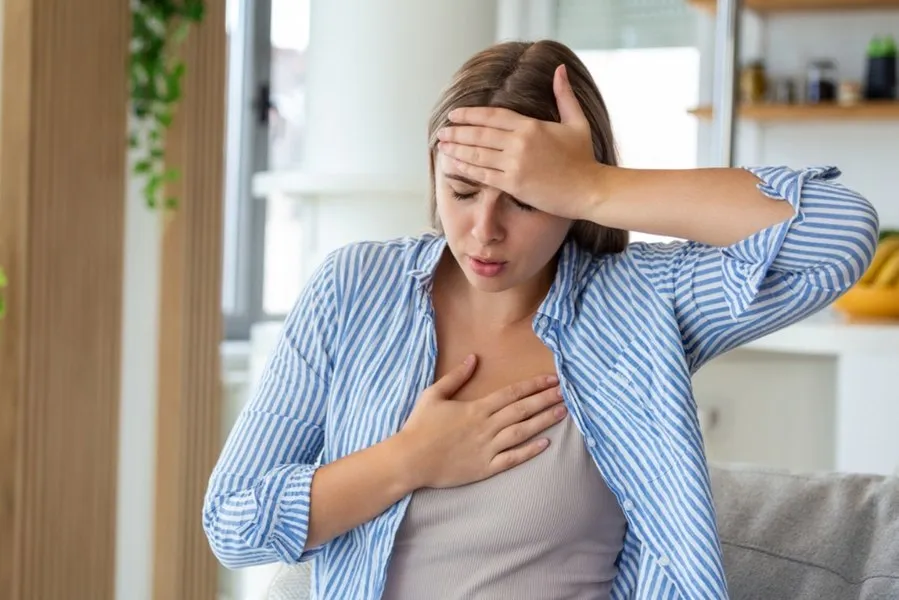
Stroke is one of the most serious health threats facing elderly people in Romania, affecting approximately 60,000 individuals every year. Statistics show that it is the leading cause of disability in the population, leaving roughly one third of patients entirely dependent on care from family members or specialists.
For older people and their families, these figures represent a worrying reality — one that can be prevented by adopting simple changes to daily routines. Experts in cardiology and neurology stress that three fundamental lifestyle changes can significantly reduce the risk of heart attack and stroke.
First change: Moderate physical activity every day
The most important change elderly people can make is incorporating some form of physical activity into each day. This does not mean intensive exercise, but rather moderate movement — a 20–30 minute walk, simple stretching exercises, or even light household tasks. This routine improves blood circulation, lowers blood pressure and strengthens the cardiovascular system.
Second change: A balanced diet with an emphasis on vegetables and fruit
Changing one's diet can have a major impact on cardiovascular health. Older people should eat at least five portions of fruit and vegetables every day, reduce their intake of salt and saturated fats, and include fish, wholegrains and nuts in their meals. These foods help maintain cholesterol at optimal levels and protect the arteries.
Third change: Managing stress and getting quality sleep
Chronic stress and poor sleep are major risk factors for cardiovascular problems. Older people can benefit from simple relaxation techniques, meditation or hobbies that bring them joy. Equally important is keeping a regular sleep schedule, with 7–8 hours of rest per night, which is essential for the body's recovery and regeneration.
Putting these three changes into practice requires neither significant financial investment nor drastic alterations to one's way of life. With the support of family and, where appropriate, a GP, older people can gradually adopt these healthy habits, thereby reducing the risk of becoming dependent on care as a result of cardiovascular complications. Prevention remains the most effective weapon against these devastating conditions.
Content paraphrased and adapted by SeniorHelp from verified public sources.
Original source: Adevărul →Previous article
Mental health in women: how psychological challenges evolve with age
Next article
Avian Flu H9N2: First Human Case in Europe Raises Questions About Risks for Older Adults
Similar news

He Survived Colon Cancer Three Times. He Hid the First Sign for Years
13 October 2026

DXA Osteodensitometry: how bone density and fracture risk are assessed
13 October 2026

Chronic inflammation can damage the heart before symptoms appear, shows a study of 488,000 people
13 October 2026

Hepatitis A in Constanța: 23 outbreaks, 130 cases, under DSP monitoring
12 October 2026
 Foto ilustrativă
GPs warn: flu vaccination should not be delayed
11 October 2026

GPs recommend flu vaccination before the epidemic spreads
11 October 2026