
How Seniors Can Manage Anxiety Caused by Extreme Weather Events
Mental health experts offer practical strategies for reducing stress caused by hurricanes, floods, and other natural disasters.
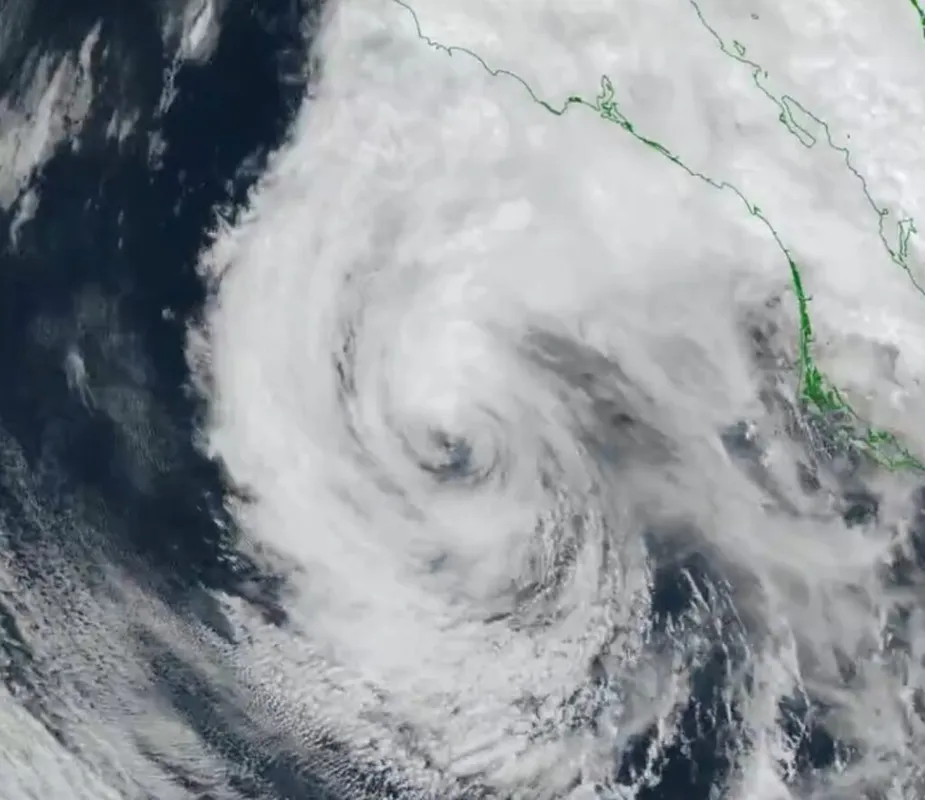
Extreme weather events such as hurricanes, wildfires and floods can trigger intense bouts of anxiety, particularly in older adults who may be more vulnerable when faced with such crisis situations. Mental health specialists who have supported people affected by natural disasters offer practical solutions for managing this type of stress.
According to research conducted by economist Ruben Juarez from the University of Hawaii, who studied the impact of the devastating 2023 Maui wildfires, preparedness is the most effective means of protection — not only physically, but psychologically as well. "Preparedness is one of the most powerful tools we have at our disposal — not just for safety, but for mental health too," the specialist explains.
Breathing and meditation strategies for managing stress
Relaxation techniques prove particularly useful in moments of crisis. Deep breathing exercises and meditation practices can help older people maintain their composure in extreme situations. These simple yet effective methods allow for better management of the panic and anxiety responses that can arise during natural disasters.
A concrete example comes from the experience of a restaurant owner in North Carolina, who drew on his knowledge of meditation when Hurricane Helene devastated his business. "All you can do to get through moments like these is try to breathe deeply and keep moving forward, one step at a time," he reflects on the strategy that helped him cope with the situation.
The importance of preventive planning
Melissa Brymer, psychologist and programme director at the UCLA-Duke National Centre for Child Traumatic Stress, emphasises that drawing up an evacuation plan and preparing an emergency kit gives older people an essential sense of control over the situation. This preventive preparation significantly reduces anxiety levels when disaster actually strikes.
For seniors with special needs, those with disabilities, or those caring for pets, planning must include additional safety measures. Organisations such as the Red Cross offer detailed guides for hurricane preparedness, tailored to the specific needs of vulnerable individuals.
In the aftermath of a disaster, specialists recommend a gradual return to everyday routines, seeking support from the community, and getting involved in helping others as effective ways of restoring psychological balance and a sense of normality.
Content paraphrased and adapted by SeniorHelp from verified public sources.
Original source: Mediafax →Previous article
Nettle - the medicinal plant with remarkable health benefits for seniors
Next article
Neurologists recommend specific hobbies for brain health in the elderly
Similar news
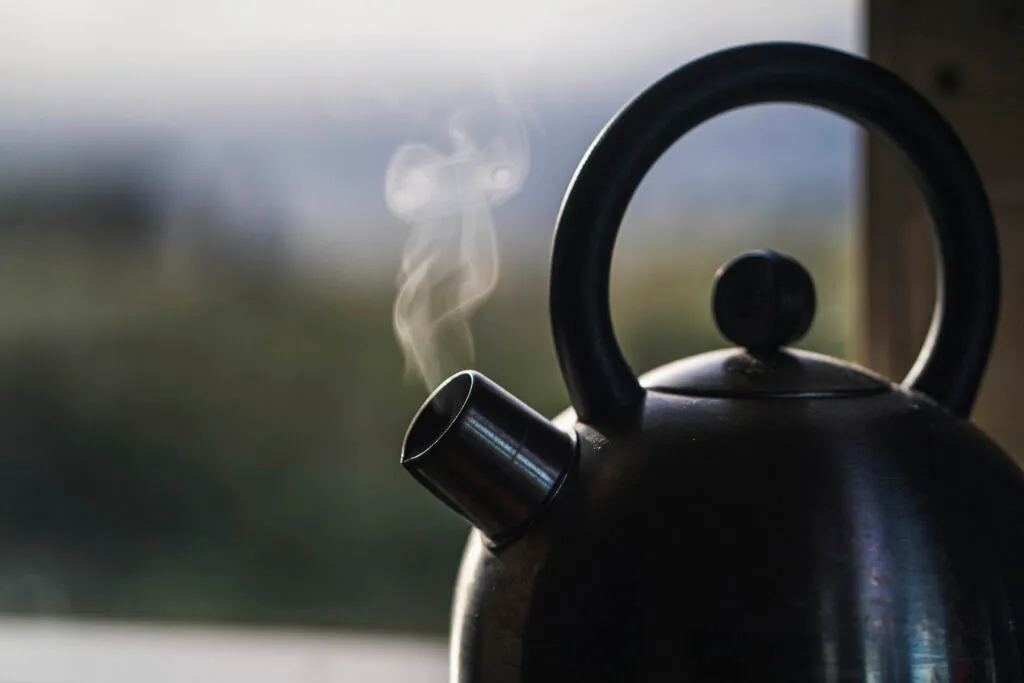
Microplastics in tap water can be reduced through boiling and filtering, a study shows
16 October 2026
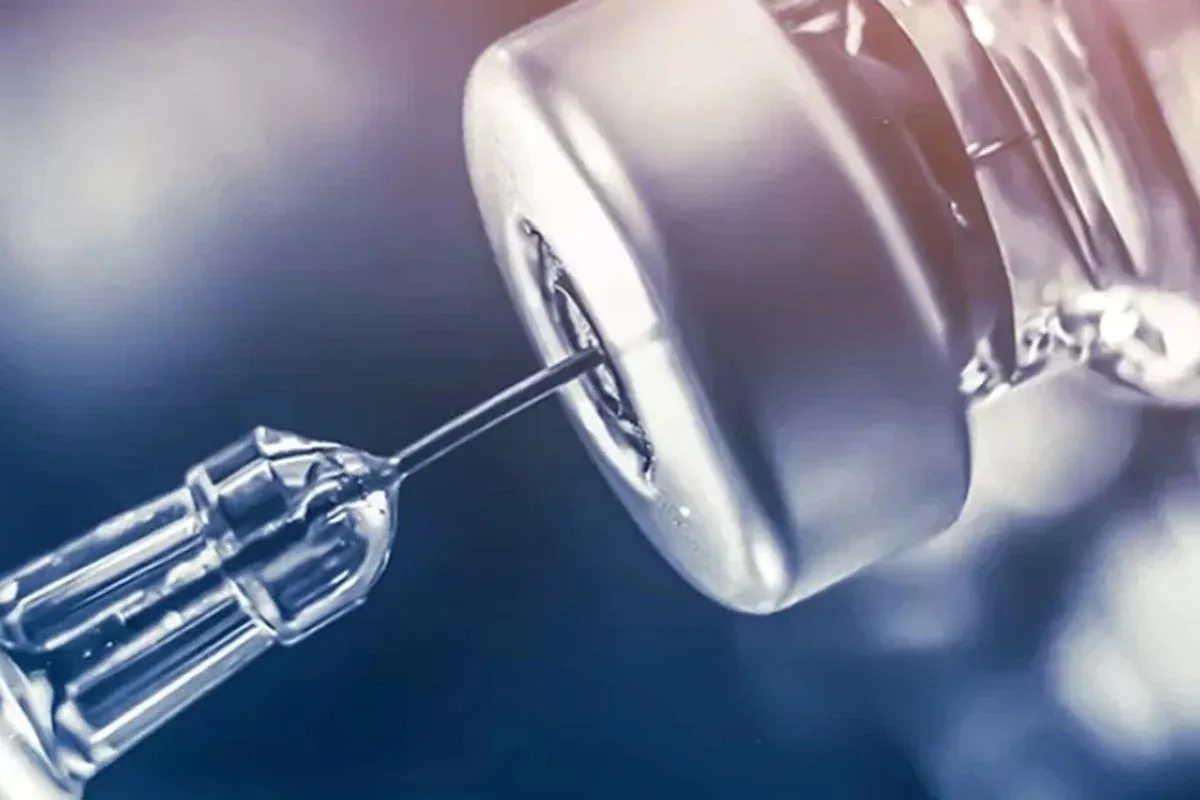
Over 350,000 doses of flu vaccine to arrive in pharmacies next week
16 October 2026

First influenza-related death of this season confirmed by INSP: unvaccinated man from Cluj
16 October 2026

Partial Nephrectomy: The Operation That Treats Kidney Tumours and Preserves the Kidney
16 October 2026

Time spent in nature could improve one's relationship with food, a British study suggests
16 October 2026

What a liver operation involves: preparation and recovery
15 October 2026