
Crisis of water in Prahova: Severe Impact on Medical Services for Seniors
The closure of five hospitals in Prahova due to the water crisis is severely affecting access to medical care for elderly people and vulnerable patients.

The severe drinking water crisis in Prahova County has created a dramatic situation for the local healthcare system, with direct consequences for the medical care of elderly residents and vulnerable patients. The Minister of Health was forced to take the difficult decision to temporarily close five hospitals in the county on public health safety grounds, leaving tens of thousands of residents without access to local medical services.
This drastic measure particularly affects the elderly, who require frequent medical assistance and for whom travelling to hospitals in Bucharest or other counties represents a considerable challenge. Older people with chronic conditions, those requiring dialysis, oncological treatment or constant monitoring find themselves in a critically vulnerable position, obliged to cover long distances in order to receive adequate medical care.
The impact on senior care centres and care homes in the affected area has been devastating. These institutions are unable to maintain the minimum sanitary standards required for the care of their residents and have been forced to completely reorganise their operations. The lack of drinking water endangers not only the comfort but also the medical safety of elderly residents in care, who are exposed to the risk of infections and a deterioration in their health.
To address this critical situation, emergency hospitals in Bucharest have been instructed to reserve additional beds for serious medical cases transferred from Prahova. Whilst necessary, this measure places additional pressure on the capital's healthcare system and complicates access to care for patients in Bucharest, including elderly residents who rely on regular medical services.
The crisis extends beyond the healthcare sector, affecting critical energy infrastructure as well. The suspension of operations at the OMV Petrom power plant in Brazi — which accounts for 10% of national electricity production — has raised concerns about the functioning of vital medical equipment in hospitals and senior care centres throughout the region. Power outages could endanger the lives of patients dependent on life-support equipment.
The distribution of water by tanker, whilst a temporary solution, presents serious difficulties for the elderly population with reduced mobility or health problems. Many older people are unable to carry large quantities of water or lack the physical strength to lift containers, creating a situation of complete dependence on family support or social services — both of which are already overstretched during this critical period.
County authority estimates suggest that resolving the situation could take at least a week — an extremely long time for vulnerable individuals, and particularly for the elderly. Under these circumstances, families are being forced to make difficult decisions about temporarily relocating elderly relatives to areas with access to drinking water, or to completely reorganise their daily routines in order to provide the necessary care.
This crisis has laid bare the extreme vulnerability of the healthcare system and social services when faced with emergency situations, highlighting the urgent need for more robust contingency plans to protect the elderly population during infrastructure crises.
Content paraphrased and adapted by SeniorHelp from verified public sources.
Original source: Realitatea →Previous article
Oregano, the senior's natural ally in the fight against infections and stress
Next article
Anxiety in Seniors: An Alarming Rise in Romania with Demonstrated Neurological Impact
Similar news

Partial Nephrectomy: The Operation That Treats Kidney Tumours and Preserves the Kidney
16 October 2026

Time spent in nature could improve one's relationship with food, a British study suggests
16 October 2026
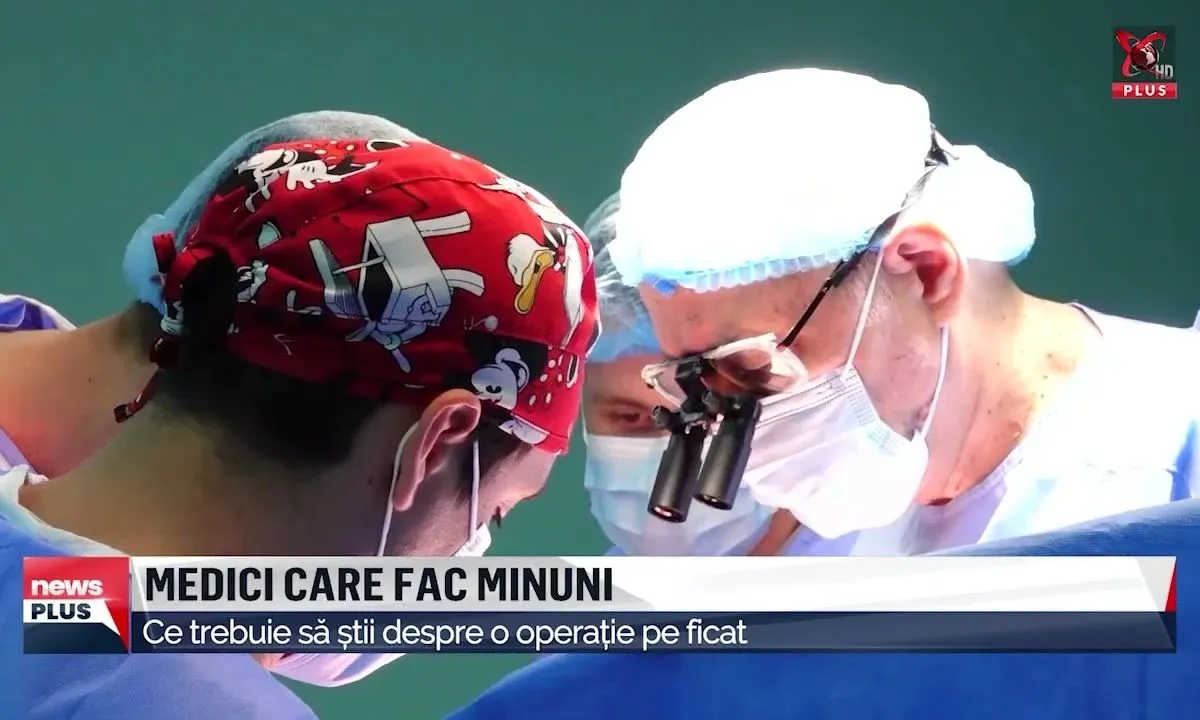
What a liver operation involves: preparation and recovery
15 October 2026

Cardiac MRI: the investigation that provides detailed images of the heart
15 October 2026

Chronic insomnia linked to higher risk of stroke, dementia and hospitalisation, shows study of 1.3 million people
14 October 2026

Irritable Bowel Syndrome: Abdominal Pain and Altered Bowel Habits
14 October 2026