
Five Simple Habits for a Longer, Healthier Life in Your Senior Years
Research shows that small daily habits can significantly influence the way we age and our quality of life in later years.
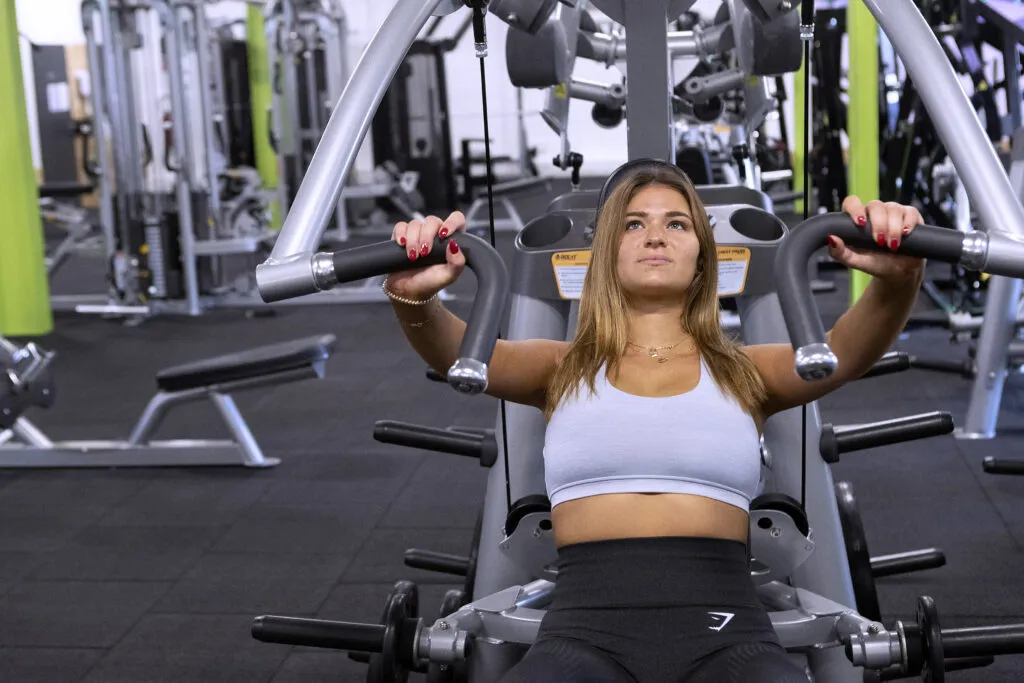
Longevity specialists are observing an important shift in perspective: it is no longer enough simply to live a long life — the goal is to remain healthy and active in old age. Recent research, based on data collected from millions of health monitoring devices, identifies five key factors that can positively influence the ageing process.
Physical fitness — the foundation of healthy ageing
Maintaining adequate physical fitness is one of the most important factors for cardiovascular health in older adults. The body's ability to use oxygen efficiently is closely linked to long-term health outcomes and can help prevent many of the problems associated with ageing.
Regular sleep — consistency matters more than quantity
For older adults, a consistent sleep schedule may be more valuable than the number of hours slept. A regular sleep routine supports the body's natural regenerative processes and contributes to healthier ageing.
Strength training — not just for the young
Weight-bearing exercise is not reserved for younger people. Seniors who engage in regular strength training may experience a 10–30% reduction in their risk of death. As little as 30–60 minutes of strengthening exercises per week can make the difference between a frail old age and an active one.
Everyday movement adds up
Regular walks, household activities and consistent moderate-intensity movement contribute substantially to long-term health. There is no need to be an athlete — steady daily movement, even of the simplest kind, supports a healthier life in the senior years.
Stress management and recovery
Chronic stress and excessive alcohol consumption can accelerate the ageing process. Even a single evening of drinking can impair the body's ability to recover for four to five days. For older adults, relaxation and recovery activities become essential to maintaining good health.
The specialists' conclusion is an encouraging one: no drastic changes are needed to age well. Small daily habits, practised consistently, can transform quality of life in the senior years and contribute to a long, active and fulfilling old age.
Content paraphrased and adapted by SeniorHelp from verified public sources.
Original source: Mediafax →Previous article
Extreme Heatwave in France: Authorities Issue Alerts to Protect the Elderly
Next article
Alcohol-Free Months: Important Health Benefits for Seniors
Similar news

What a liver operation involves: preparation and recovery
15 October 2026

Cardiac MRI: the investigation that provides detailed images of the heart
15 October 2026

Chronic insomnia linked to higher risk of stroke, dementia and hospitalisation, shows study of 1.3 million people
14 October 2026

He Survived Colon Cancer Three Times. He Hid the First Sign for Years
13 October 2026

DXA Osteodensitometry: how bone density and fracture risk are assessed
13 October 2026

Chronic inflammation can damage the heart before symptoms appear, shows a study of 488,000 people
13 October 2026