
Research: Owning cats could increase the risk of mental disorders in elderly people
Australian study reveals a possible link between cats and schizophrenia-related disorders through the Toxoplasma gondii parasite.
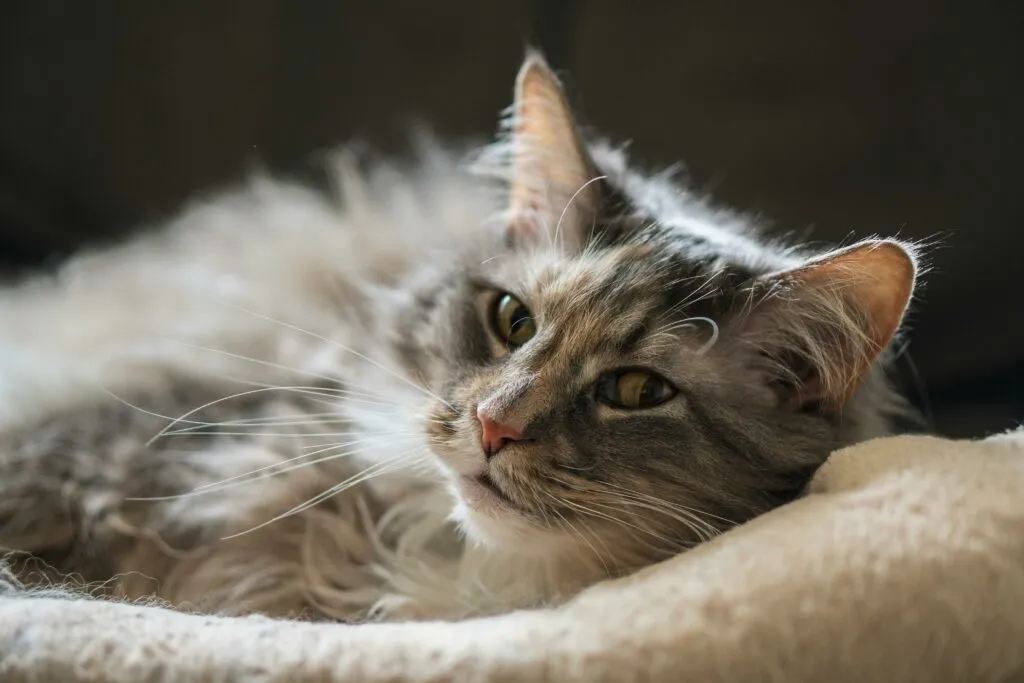
A recent scientific analysis conducted by Australian researchers suggests that owning a cat as a pet may be associated with a higher risk of developing schizophrenia-related disorders. The study, led by psychiatrist John McGrath from the Queensland Centre for Mental Health Research, reviewed research carried out over the past 44 years across 11 countries.
The researchers emphasise, however, that the findings do not demonstrate that cats directly cause mental health problems. The study merely identifies a statistical association rather than a direct cause-and-effect relationship — an important distinction for cat owners to understand, including older adults who find companionship and emotional benefits in the presence of these animals.
According to the analysis, people exposed to cats had "approximately twice the likelihood of developing schizophrenia" after adjusting for several risk factors. The primary explanation under investigation centres on exposure to the parasite Toxoplasma gondii, which is commonly associated with cats.
The risks of the Toxoplasma gondii parasite
This parasite can be transmitted to humans through contact with the faeces of an infected cat, as well as through the consumption of undercooked meat or contaminated water. The US Centres for Disease Control and Prevention estimates that over 40 million people are infected with T. gondii, often without displaying any symptoms.
Once inside the body, the parasite can remain in the central nervous system and may influence neurotransmitters in the brain. In some earlier studies, it has been associated with personality changes, psychotic symptoms, and certain neurological disorders.
Contradictory results and the need for further research
The conclusions of the research are not, however, consistent. Some studies have found that exposure to cats during childhood may increase the risk of developing schizophrenia later in life, whilst other research has found no clear link. One study included in the analysis identified no significant association between owning a cat before the age of 13 and the subsequent onset of schizophrenia.
Specialists state that schizophrenia is a complex condition influenced by genetic, biological, and environmental factors. For older adults who own cats or are considering adopting a pet, it is important to know that the relationship between cats, T. gondii, and mental health requires considerably more research before any clear and definitive conclusions can be drawn.
Content paraphrased and adapted by SeniorHelp from verified public sources.
Original source: Mediafax →Previous article
EU prepares measures to reduce energy prices, with a direct impact on pensioners
Next article
Food Safety – An Essential Priority for the Health of Older Adults
Similar news

Microplastics in tap water can be reduced through boiling and filtering, a study shows
16 October 2026

Over 350,000 doses of flu vaccine to arrive in pharmacies next week
16 October 2026
First influenza-related death of this season confirmed by INSP: unvaccinated man from Cluj
16 October 2026

Partial Nephrectomy: The Operation That Treats Kidney Tumours and Preserves the Kidney
16 October 2026

Time spent in nature could improve one's relationship with food, a British study suggests
16 October 2026
What a liver operation involves: preparation and recovery
15 October 2026