
What a Rise in PSA Means After Prostate Cancer Treatment
PSA rising after surgery or radiotherapy may signal biochemical recurrence. PSMA PET-CT helps establish the most appropriate treatment plan.
 Foto ilustrativă
After surgery or radiotherapy for prostate cancer, doctors periodically monitor PSA levels to track how the patient is progressing. There are situations in which this marker begins to rise before the disease shows visible signs or can be detected through standard imaging investigations.
This situation is known as biochemical recurrence and essentially refers to a rise in PSA following treatment that had aimed at local control of the disease. The evaluation criteria differ depending on the type of treatment received — after prostatectomy or after radiotherapy — as PSA progression is not the same in both cases. The PSA value alone does not show exactly where any remaining tumour cells may be located, nor how quickly the disease might progress; however, the rate of PSA increase and the time elapsed since treatment provide important clues about the level of risk.
PSMA PET-CT imaging can detect, in some cases, very small foci of disease, even when PSA values are low, thus helping to determine the appropriate course of treatment. Depending on the location of any lesions and the patient's risk profile, doctors may recommend several options: salvage radiotherapy, hormonal therapy, irradiation of limited affected areas, or simply careful monitoring over time. It is important to note that a rise in PSA does not automatically mean the disease has spread to other organs, but it does require an assessment by a specialist in oncological urology and the development of a care plan tailored to each individual patient.
Article supported by SANADOR.
Content paraphrased and adapted by SeniorHelp from verified public sources.
Original source: Realitatea →Previous article
Risk of blackout: how hospitals could be affected if the power goes out
Next article
Dizziness and Loss of Balance: What Tests Can Reveal the Real Cause
Similar news

Why We Feel More Tired in Autumn: What the Specialists Say
7 October 2026
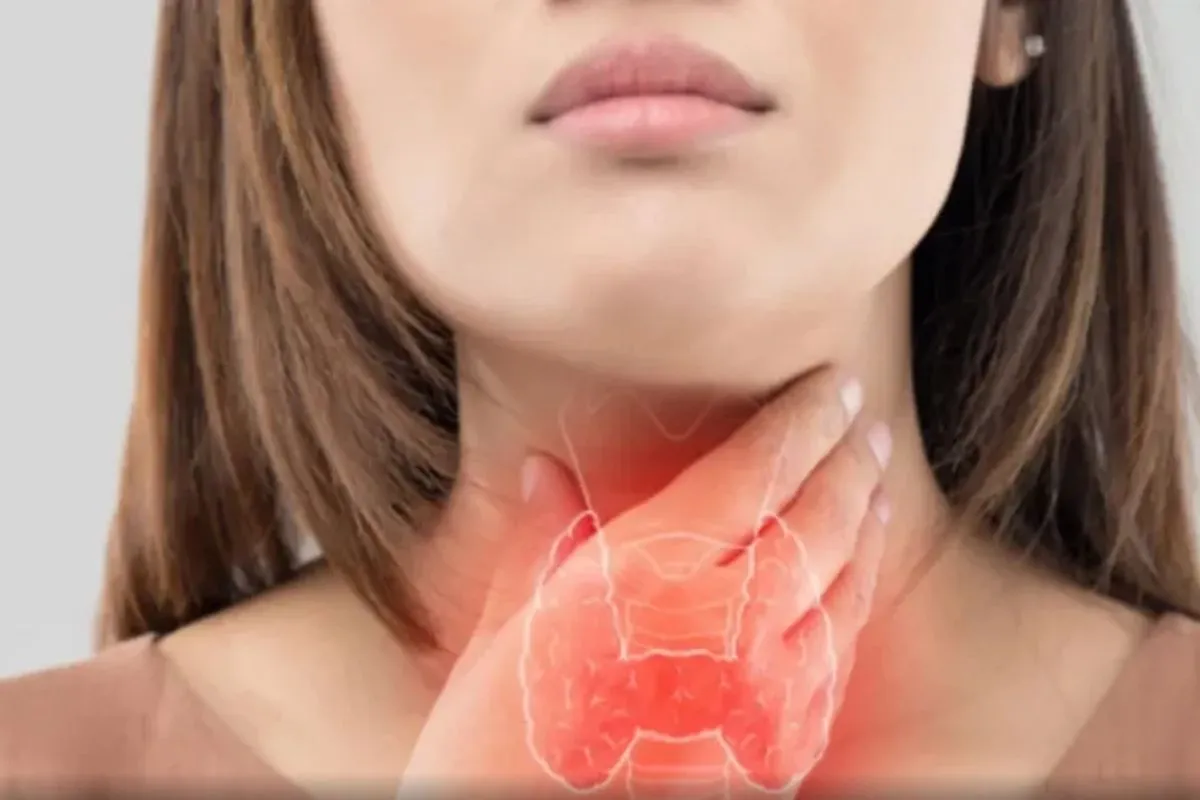
Thyroid Nodules: What an Ultrasound Reveals and When Further Tests Are Needed
6 October 2026

Winter Time and the Body: What Studies Show About Sleep, Energy and Health
5 October 2026

Recurring heartburn can be a sign of gastro-oesophageal reflux disease
5 October 2026

How to Choose the Right Pillow for Sleep. Signs That It Needs Replacing
3 October 2026

Japanese Monk Begins 12 Years of Total Isolation: What Science Says About the Effects of Loneliness
3 October 2026