
How Long Should It Take to Fall Asleep? What Your Sleep Onset Time Says About Your Health
Specialists say that falling asleep in 10–20 minutes is normal. Both falling asleep too quickly and insomnia can signal health problems.
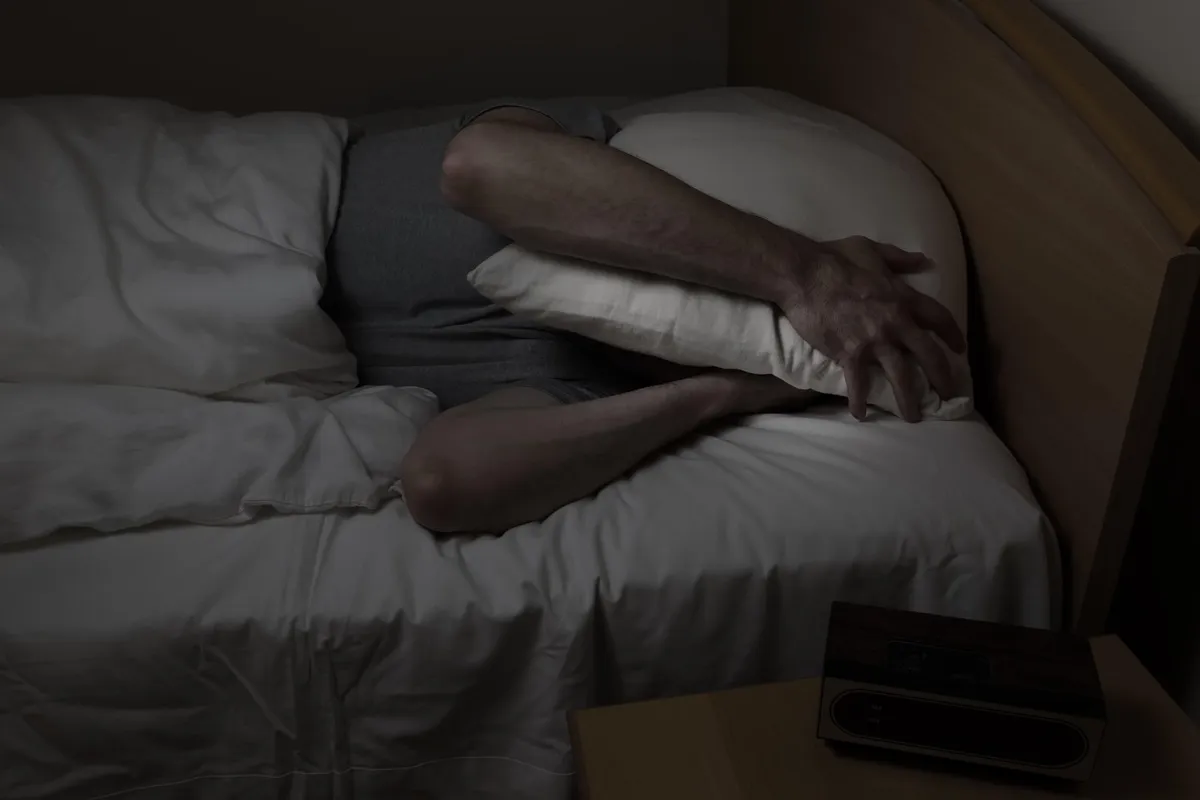
Do you fall asleep almost instantly, or do you toss and turn for minutes — sometimes hours? How quickly you fall asleep can reveal a great deal about your health, specialists cited by the international press warn.
According to Michelle Drerup, a behavioural sleep medicine specialist at the Cleveland Clinic, most people should fall asleep within 10–20 minutes. Falling asleep very quickly is not necessarily a good sign, she says: drifting off in under a minute may indicate a sleep problem and could suggest that the body is not getting enough rest and is exhausted.
Among the warning signs listed by Drerup are daytime drowsiness, difficulty concentrating, slow physical reactions, and frequent mood changes.
Experts at Harvard Medical School caution: "In the long term, chronic sleep deprivation can lead to a range of health problems, including obesity, diabetes, cardiovascular disease, and even premature death."
On the other hand, falling asleep very slowly is no indication of good health either — it could point to insomnia, a condition that affects millions of people. According to UCLA Health, insomnia is usually triggered by stress, though the chronic form may be linked to respiratory, gastrointestinal, or neurological conditions.
Dr Khaled Almadhoun, quoted by The Independent, explains: "People can suffer from restless legs syndrome at night, which can contribute to insomnia. They may also suffer from sleep apnoea, which can contribute to insomnia. They may experience nightmares, anxiety, or depression." He notes that people with depression are three times more likely to develop insomnia.
According to Michigan Medicine, older people — who are more prone to chronic conditions — experience more sleep problems, as do women, due to hormonal fluctuations. In the long term, insomnia can increase the risk of heart disease, high blood pressure, and diabetes, according to the US Centres for Disease Control and Prevention.
How to improve the quality of your sleep
There are steps that can help improve sleep, although the effects do not appear overnight. These include: avoiding screens for at least 30 minutes before bed, to allow the mind to unwind; keeping the bedroom cool and dark, to minimise factors that disrupt sleep; and maintaining a consistent sleep schedule, which signals to the body when it is time to rest.
If difficulty falling asleep occurs at least three nights a week and persists for three months, it may be a case of chronic insomnia.
"At that point, it's best to speak with a doctor to find out why it's happening," says Michelle Drerup. "Think of sleep as an investment. It can make a significant difference to your daily life and your overall health. You cannot afford to cut corners on sleep or ignore the signs."
Content paraphrased and adapted by SeniorHelp from verified public sources.
Original source: Digi24 →Previous article
Red code heatwave across most of Romania: temperatures of up to 40°C, major danger for the elderly
Next article
Extreme Heat in Romania: Essential Recommendations for Protecting the Elderly
Similar news

Winter Time and the Body: What Studies Show About Sleep, Energy and Health
5 October 2026

Recurring heartburn can be a sign of gastro-oesophageal reflux disease
5 October 2026

How to Choose the Right Pillow for Sleep. Signs That It Needs Replacing
3 October 2026

Japanese Monk Begins 12 Years of Total Isolation: What Science Says About the Effects of Loneliness
3 October 2026

West Nile in Romania: 117 cases and 7 deaths reported by INSP this season
2 October 2026

Flu vaccination has begun: who receives the vaccine for free and who gets a 50% subsidy
2 October 2026