
Air Conditioning and Health Risks: What Seniors Need to Know During Heatwaves
Doctors warn that the difference in temperature between indoors and outdoors should not exceed 10 degrees Celsius, especially for the elderly.
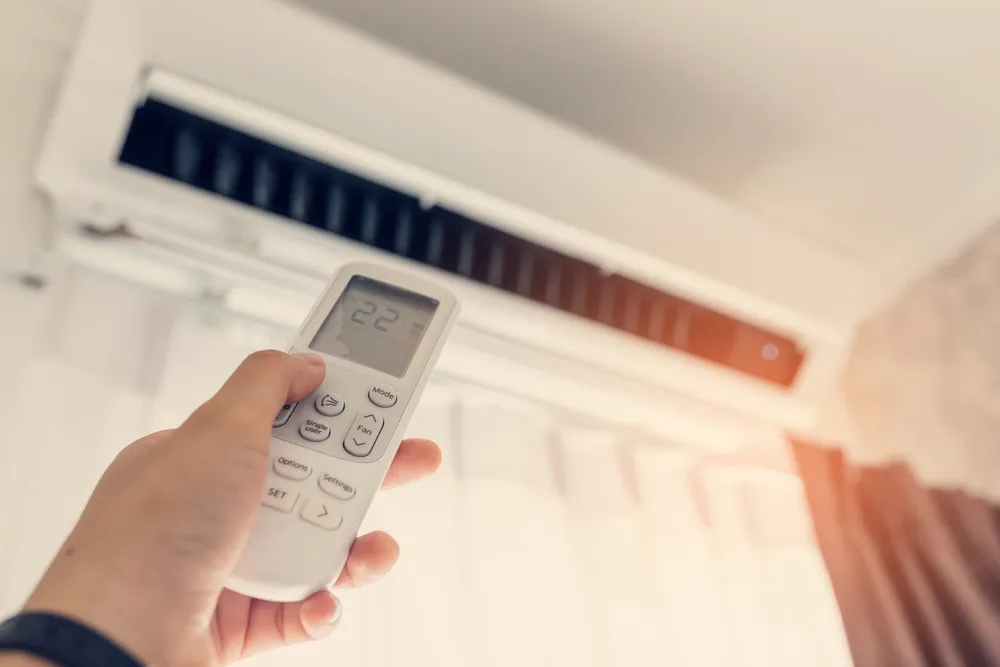
Air Conditioning – Friend or Foe During a Heatwave?
During a heatwave, air conditioning can seem like a lifesaver, but pulmonology specialists warn that improper use can cause serious health problems. An important caution comes from a consultant pulmonologist and medical director of a specialist hospital, who advises care when using these units, particularly during periods of extreme heat.
The 10 Degrees Celsius Rule
The primary recommendation from doctors is that the temperature difference between an air-conditioned space and the outdoor temperature should not exceed 10 degrees Celsius. So, if it is 38 degrees outside, the indoor temperature should not be set below 28 degrees. This rule is especially important for older people, whose bodies struggle to adapt to sudden changes in temperature.
Why Are Older People More Vulnerable?
The bodies of older adults respond differently to temperature fluctuations compared to those of younger people. Repeated transitions between extreme outdoor heat and artificially cooled indoor environments can cause thermal shock, muscle cramps, joint pain, and can worsen pre-existing conditions such as chronic respiratory diseases, high blood pressure, or cardiovascular problems.
Respiratory Risks Associated with Air Conditioning Units
Beyond thermal shock, poorly maintained air conditioning can become a source of bacteria and mould circulating within enclosed spaces. Filters that are not regularly checked and cleaned can aggravate asthma and chronic bronchitis, or trigger respiratory infections — conditions that in older adults often progress more severely and require longer-term medical care.
Practical Tips for Safe Use
- Set the unit's temperature so that the difference from the outdoor temperature does not exceed 10 degrees Celsius.
- Avoid direct exposure to the cold air stream, particularly around the neck and shoulders.
- Clean and check the air conditioning unit's filters regularly.
- Stay well hydrated even in cool spaces, as air conditioning dries out the atmosphere.
- Limit abrupt transitions between indoors and outdoors during peak heat hours.
These recommendations are all the more important for older adults living with chronic illnesses or undergoing medical treatment, as any additional thermal stress may worsen their overall health. Consulting a GP remains essential for elderly people during periods of extreme heat.
Content paraphrased and adapted by SeniorHelp from verified public sources.
Original source: Digi24 →Previous article
Medical staff are preparing for a general strike, amid the pay legislation dispute
Next article
Sanitas: hospitals urgently need 20,000 employees, but posts remain frozen
Similar news
Microplastics in tap water can be reduced through boiling and filtering, a study shows
16 October 2026

Over 350,000 doses of flu vaccine to arrive in pharmacies next week
16 October 2026
First influenza-related death of this season confirmed by INSP: unvaccinated man from Cluj
16 October 2026

Partial Nephrectomy: The Operation That Treats Kidney Tumours and Preserves the Kidney
16 October 2026

Time spent in nature could improve one's relationship with food, a British study suggests
16 October 2026
What a liver operation involves: preparation and recovery
15 October 2026