
"Flesh-eating" bacterium in the Black Sea: infection risk for beachgoers in Romania
Vibrio bacteria, favoured by warming waters, are spreading into the Black Sea as well. People with weakened immune systems are at the greatest risk.
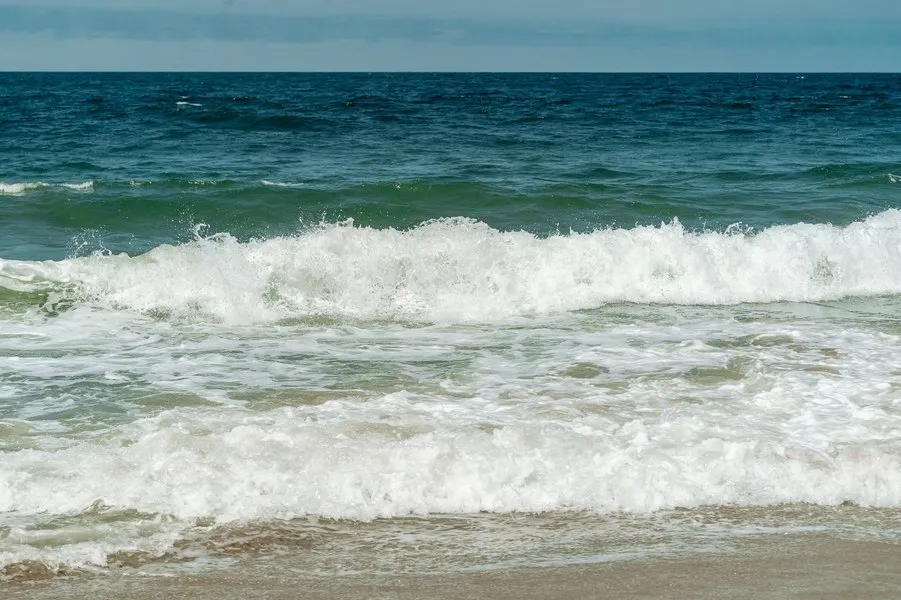
Bacteria of the genus Vibrio, which produce toxins and enzymes capable of destroying human tissue, are spreading increasingly widely, including in the Black Sea — a phenomenon attributed to climate change.
A recent case has drawn attention to the dangers posed by these bacteria: in the United States, a 17-year-old named Joziah Thompson was hospitalised after contracting Vibrio vulnificus, known as the "flesh-eating" bacterium, whilst swimming with his brothers in the coastal waters of Florida.
Vibriosis is an infection specific to the warm season, which can become severe and life-threatening, particularly in people with weakened immune systems. In Europe, these bacteria thrive in popular bathing areas such as the Baltic Sea, the North Sea, and the Black Sea, the latter affecting Romania, Bulgaria, Turkey, and Ukraine.
The link with climate change
Vibrio bacteria thrive in warm waters, especially where salinity is low. The Baltic Sea has already seen rising water temperatures and falling salinity levels as a result of global warming, a phenomenon accompanied by an increase in the number of infections in the northern countries bordering it.
Although infections remain relatively rare, the European Centre for Disease Prevention and Control (ECDC) warned last year that, due to climate change, the conditions favouring the growth of Vibrio bacteria are becoming "increasingly common in certain parts of Europe", particularly during summers with prolonged heatwaves.
How the bacterium is transmitted
The main types of Vibrio that cause infections in humans are Vibrio vulnificus, Vibrio parahaemolyticus, and Vibrio alginolyticus, though at least a dozen variants exist. Some infections can lead to the death of tissue around an open wound — necrotising fasciitis — whilst rarer forms of Vibrio vulnificus can cause serious illness requiring intensive care or even limb amputation.
Most cases arise from consuming raw or undercooked shellfish — oysters, mussels, and clams. Infection can also occur through swallowing contaminated seawater whilst swimming, or through the bacterium entering the body via a cut in the skin, either in the water or on land, if liquid from shellfish comes into contact with an open wound. Vibriosis is not transmitted from person to person.
The risk is greater for people with liver conditions (caused by hepatitis, liver disease, excessive alcohol or drug use), as well as those with cancer, diabetes, or HIV, those undergoing treatments that suppress the immune system, or those taking medication to reduce stomach acid.
According to the US Centers for Disease Control and Prevention (CDC), approximately 1 in 5 people infected with Vibrio vulnificus die within two days of contracting the illness. The CDC estimates around 80,000 cases of illness and 100 deaths annually in the United States caused by Vibrio infections.
Symptoms of vibriosis resemble those of flu or a stomach upset: diarrhoea, cramps, nausea, vomiting, fever, and chills. A bloodstream infection can cause extremely low blood pressure and the appearance of blisters around skin lesions, whilst wound infections may bring redness, pain, swelling, and discharge.
Risk areas in Europe
In the Baltic Sea, the bacteria affect coastal areas of Denmark, north-eastern Germany, Finland, Estonia, Latvia, Sweden, Lithuania, Poland, and Russia. In the North Sea they are present along the Dutch and Belgian coasts, whilst in south-eastern Europe they are concentrated in the Black Sea, affecting Romania, Bulgaria, Turkey, and Ukraine.
Each year, several hundred cases of vibriosis are recorded in Europe, with a notable peak in 2018, when 445 cases were reported.
Precautionary measures
- Avoid consuming raw or undercooked shellfish.
- Avoid swimming in brackish or salt water if you have open wounds.
- If a cut occurs whilst swimming, leave the water and clean and dress the wound properly.
- People with pre-existing conditions, a compromised immune system, or those who have recently undergone surgery should seek medical advice before swimming in coastal areas.
Brackish coastal areas, where salt water mixes with fresh water, as well as enclosed bays or estuaries, provide ideal conditions for these bacteria to proliferate almost undisturbed.
Content paraphrased and adapted by SeniorHelp from verified public sources.
Original source: Adevărul →Previous article
Foods recommended by rheumatologists for reducing inflammation in autoimmune diseases
Next article
General Strike in Healthcare after 21 June: direct impact on elderly patients
Similar news

He Survived Colon Cancer Three Times. He Hid the First Sign for Years
13 October 2026

DXA Osteodensitometry: how bone density and fracture risk are assessed
13 October 2026

Chronic inflammation can damage the heart before symptoms appear, shows a study of 488,000 people
13 October 2026

Hepatitis A in Constanța: 23 outbreaks, 130 cases, under DSP monitoring
12 October 2026

Groin swelling: what it could indicate
12 October 2026
 Foto ilustrativă
GPs warn: flu vaccination should not be delayed
11 October 2026