
What Your Blood Reveals Before Vaccination About Immunisation Effectiveness
A US study on over 4,000 people shows that antibodies present in the blood prior to vaccination can indicate, with the help of AI, who will respond poorly to immunisation.
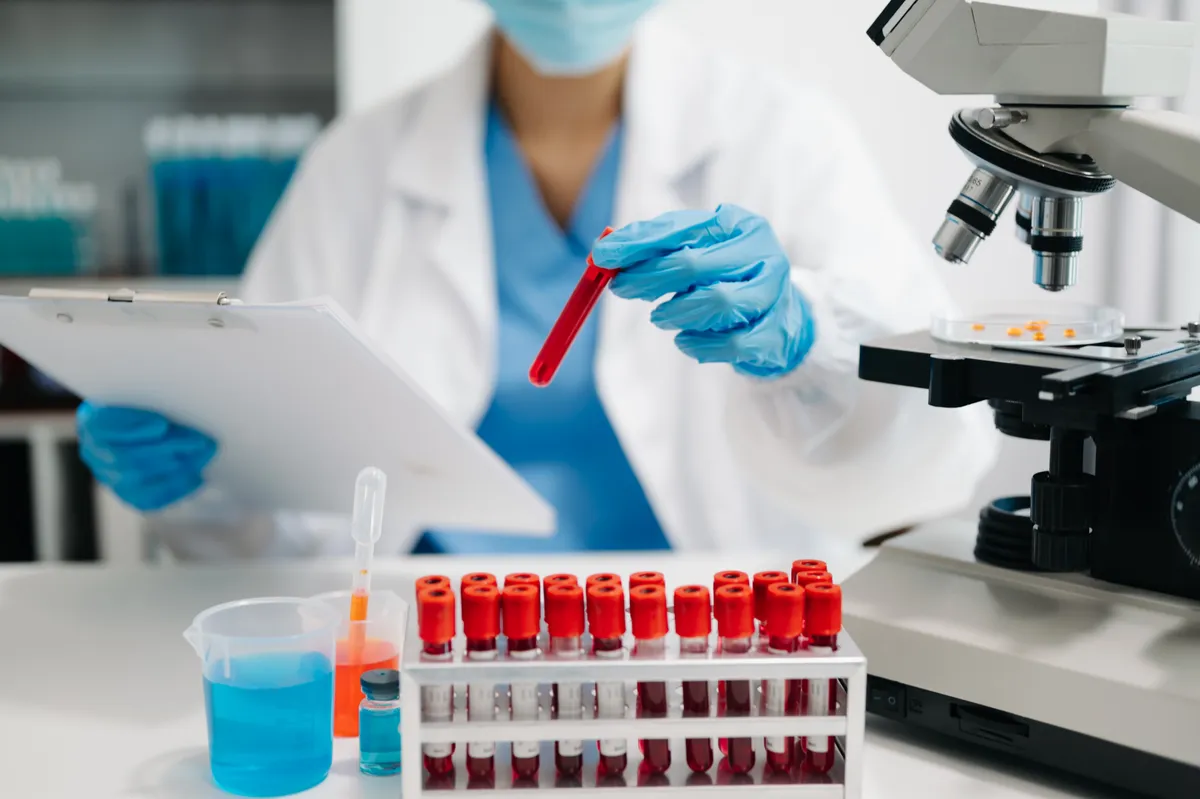
A study conducted in the United States suggests that analysing antibodies present in the blood prior to vaccination could indicate, with the help of artificial intelligence, how well the body will respond to immunisation. The research was coordinated by Arizona State University (ASU) and published on Thursday in the journal Cell Press Blue, according to News.ro.
It is well established that vaccines protect the majority of people from severe forms of disease, but the intensity of the immune response varies from person to person, depending on age, sex, genetic factors, prior illnesses, or existing conditions. People with diseases or treatments that affect the immune system (immunosuppression) generally carry a higher risk of a poor response, though this is not always the case: some of them develop strong responses, whilst individuals considered healthy may respond poorly.
Over 8,600 blood samples analysed
The study included 8,687 blood samples from 4,089 participants. The researchers measured antibodies targeting 185 antigens, including structures associated with SARS-CoV-2 (the COVID-19 virus), other common viruses and bacteria, as well as targets linked to autoimmune diseases.
Participants included both healthy volunteers and individuals with conditions or treatments associated with immunosuppression: HIV infection, multiple myeloma, malignant tumours of solid organs, autoimmune diseases, inflammatory bowel diseases, and solid organ transplant patients.
Samples were collected before and after COVID-19 vaccination, and the researchers used artificial intelligence to identify antibody patterns associated with strong or poor vaccine responses.
The results show that several groups of immunosuppressed individuals were more likely to have a reduced response, but simply belonging to a clinical category was not sufficient to predict each patient's individual reaction. Some immunosuppressed participants had strong responses, whilst approximately 5–6% of healthy participants had poor responses to COVID-19 vaccination.
The researchers also observed that higher levels of certain pre-existing antibodies were associated with a better vaccine response — among these, antibodies against common micro-organisms such as Staphylococcus aureus, respiratory syncytial virus (RSV), and human respirovirus 3.
The "sentinel" antibodies
The authors refer to these antibodies as "sentinel" antibodies, as they may reflect the degree of immune system readiness prior to vaccination, even though they do not act directly against the vaccine's target.
To analyse the entire antibody profile, rather than just a few isolated markers, the team used a deep learning model — a form of artificial intelligence capable of identifying complex patterns in large volumes of data. This approach enabled the identification of patterns associated with a higher likelihood of a poor vaccine response.
Unlike methods based on genetic analysis, this approach uses blood antibody profiles, which, according to the researchers, could be more readily applicable in clinical practice.
"Our study showed that certain biomarkers, when analysed using AI, can predict who is likely to respond well to a vaccine, even before it is administered. The findings suggest that some individuals may have an immune system that is better primed to respond than others," said Dr Joshua LaBaer, the study's lead investigator, a physician specialising in internal medicine and medical oncology, Executive Director of the Biodesign Institute at ASU, and Director of the Virginia G. Piper Center for Personalized Diagnostics, as quoted in a university press release.
Potential applications of the discovery
The technology used allows the simultaneous measurement of antibody responses to numerous targets, providing a comprehensive immune profile shaped by previous exposure to viruses, bacteria, and other antigens — rather than merely indicating whether or not a person has antibodies against a single agent.
The authors suggest that the findings could be relevant for other vaccines as well, provided they are confirmed through further studies. "Sentinel" antibody profiling could be used both to assess vaccine efficacy and to identify individuals at risk of a poor immune response.
In the longer term, such a method could help clinicians identify patients who might require additional doses, closer monitoring, or other preventive measures. The researchers stress, however, that vaccine response cannot be predicted solely on the basis of health status or immunosuppressive treatments, and that applying this approach beyond COVID-19 vaccination will require validation through future studies.
The research was carried out by ASU in collaboration with other medical and research institutions across the United States.
Content paraphrased and adapted by SeniorHelp from verified public sources.
Original source: Digi24 →Previous article
Pîslaru: the amounts in the pay law are "the maximum Romania can afford" right now
Next article
Official from the Ministry of Energy: "Zero chance" of a blackout in Romania. Bills could rise by 5%
Similar news

Why We Feel More Tired in Autumn: What the Specialists Say
7 October 2026
Thyroid Nodules: What an Ultrasound Reveals and When Further Tests Are Needed
6 October 2026

Winter Time and the Body: What Studies Show About Sleep, Energy and Health
5 October 2026
Recurring heartburn can be a sign of gastro-oesophageal reflux disease
5 October 2026

How to Choose the Right Pillow for Sleep. Signs That It Needs Replacing
3 October 2026

Japanese Monk Begins 12 Years of Total Isolation: What Science Says About the Effects of Loneliness
3 October 2026