
Apple seeds: when they can become dangerous for your health
Specialists explain the risks of apple seeds: choking hazard, digestive irritation, allergies and, in large quantities, cyanide poisoning.
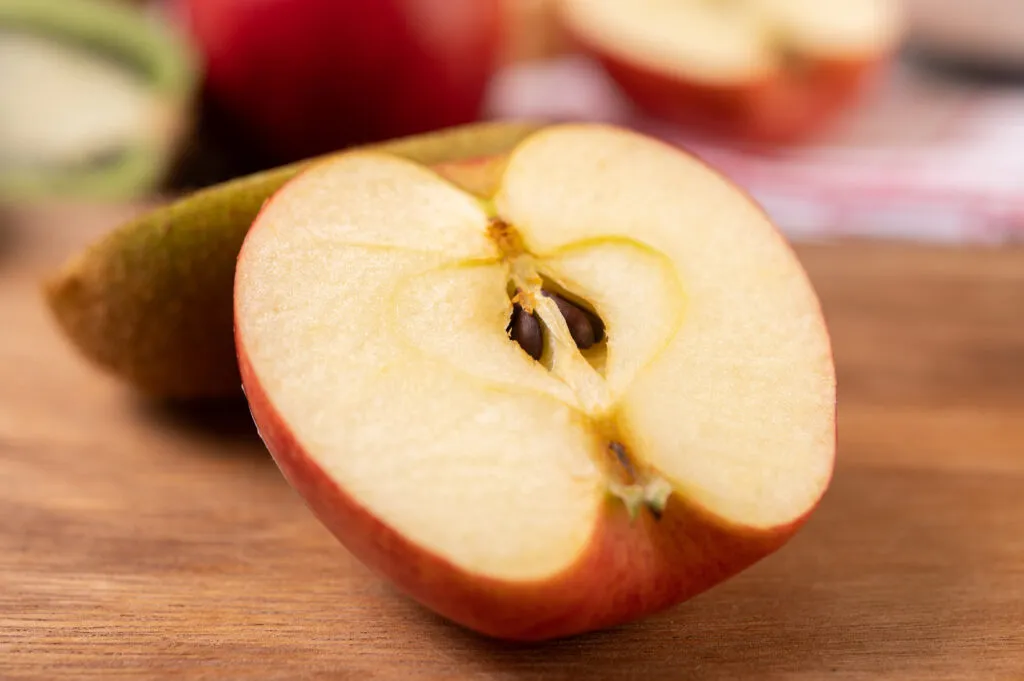
Apples are a common fruit on many families' tables, and their seeds are usually discarded without a second thought. However, specialists warn that these seeds can become dangerous if chewed in large quantities, although accidentally swallowing a single seed does not normally pose a risk to most people, according to information published by Health.
The risk of choking
The first danger is physical in nature: apple seeds are small, hard, and slippery, making them easy to inhale by accident. Young children and people who have difficulty swallowing are the most vulnerable to this risk. For this reason, doctors recommend removing the core and seeds from an apple before offering the fruit to these groups.
The cyanide hidden in seeds
A second risk, less well known to the general public, is linked to a substance called amygdalin, found in apple seeds as well as in apricot and peach stones. When the seeds are chewed, the body converts amygdalin into hydrogen cyanide. Early symptoms of poisoning include headaches, dizziness, and confusion, while in severe cases convulsions or loss of consciousness may occur.
According to specialists, an adult would need to chew approximately 150 apple seeds to reach a dangerous dose of cyanide. The real risk in everyday life therefore remains low, provided that large quantities of crushed or chewed seeds are not deliberately consumed.
Other possible effects
Seeds consumed in excess can also irritate the digestive system, causing cramps, nausea, or bloating — effects felt more acutely by people who already have intestinal conditions.
There are also cases of allergy specifically to apple seeds, even in people who tolerate the rest of the fruit perfectly well. Allergic reactions can range from itching and skin rashes to throat swelling or breathing difficulties — situations that require emergency medical attention.
Content paraphrased and adapted by SeniorHelp from verified public sources.
Original source: Mediafax →Previous article
Official from the Ministry of Energy: "Zero chance" of a blackout in Romania. Bills could rise by 5%
Next article
Study: ultra-processed foods may increase the risk of prostate cancer
Similar news

Why We Feel More Tired in Autumn: What the Specialists Say
7 October 2026
Thyroid Nodules: What an Ultrasound Reveals and When Further Tests Are Needed
6 October 2026

Winter Time and the Body: What Studies Show About Sleep, Energy and Health
5 October 2026

Recurring heartburn can be a sign of gastro-oesophageal reflux disease
5 October 2026

How to Choose the Right Pillow for Sleep. Signs That It Needs Replacing
3 October 2026

Japanese Monk Begins 12 Years of Total Isolation: What Science Says About the Effects of Loneliness
3 October 2026