
Study: ultra-processed foods may increase the risk of prostate cancer
A FAU study of 18,000 men shows a 24–34% higher risk of prostate cancer in those who consume large amounts of ultra-processed foods.
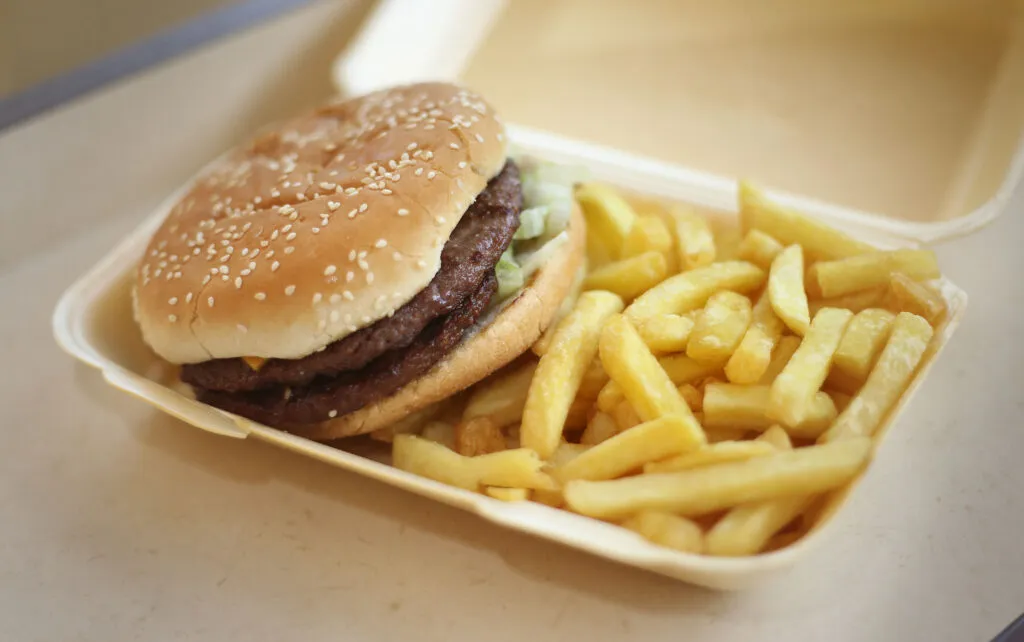
Researchers at Florida Atlantic University (FAU) are warning that a high consumption of ultra-processed foods — such as junk food, soft drinks, packaged cereals, and processed snacks — is associated with a significantly higher risk of prostate cancer, according to the dpa agency.
The study analysed medical data from approximately 18,000 men. The results show that those who frequently consumed ultra-processed foods had a 24% to 34% higher risk of developing prostate cancer, compared to those who consumed fewer such products. The findings were published in The American Journal of Medicine.
In analysing the data, the researchers took into account the participants' age, race, and ethnicity, as well as income levels and smoking status, in order to isolate as clearly as possible the link between diet and risk.
What the researchers say
Charles Hennekens, a professor of medicine at FAU, stated: "These findings add to the growing body of evidence that ultra-processed foods have significant adverse effects on health, and highlight the need for large-scale observational studies and randomised trials to adequately test this hypothesis."
Timothy De Ver Dye, Head of the Department of Public Health at FAU, drew attention to the practical difficulty of changing dietary habits: "Reducing the consumption of ultra-processed foods is a complex public health challenge, particularly because these products are so widespread and easily accessible." He added: "Healthcare providers must bear in mind that many patients face difficulties in accessing or affording healthier foods."
The study's authors refer to the broader context of access to healthy food, given that food prices have risen sharply worldwide in recent years, against a backdrop of disruptions to production and trade caused by restrictions during the COVID-19 pandemic, Russia's invasion of Ukraine, and the conflict between Iran and the United States.
Content paraphrased and adapted by SeniorHelp from verified public sources.
Original source: Mediafax →Previous article
Apple seeds: when they can become dangerous for your health
Next article
Experimental melanoma vaccine: how it works and what other cancers it could treat
Similar news

Why We Feel More Tired in Autumn: What the Specialists Say
7 October 2026
Thyroid Nodules: What an Ultrasound Reveals and When Further Tests Are Needed
6 October 2026

Winter Time and the Body: What Studies Show About Sleep, Energy and Health
5 October 2026

Recurring heartburn can be a sign of gastro-oesophageal reflux disease
5 October 2026

How to Choose the Right Pillow for Sleep. Signs That It Needs Replacing
3 October 2026

Japanese Monk Begins 12 Years of Total Isolation: What Science Says About the Effects of Loneliness
3 October 2026