
Experimental melanoma vaccine: how it works and what other cancers it could treat
Moderna and Merck are testing a personalised melanoma vaccine, administered in 9 doses alongside Keytruda. A study involving 1,137 patients shows promising results.
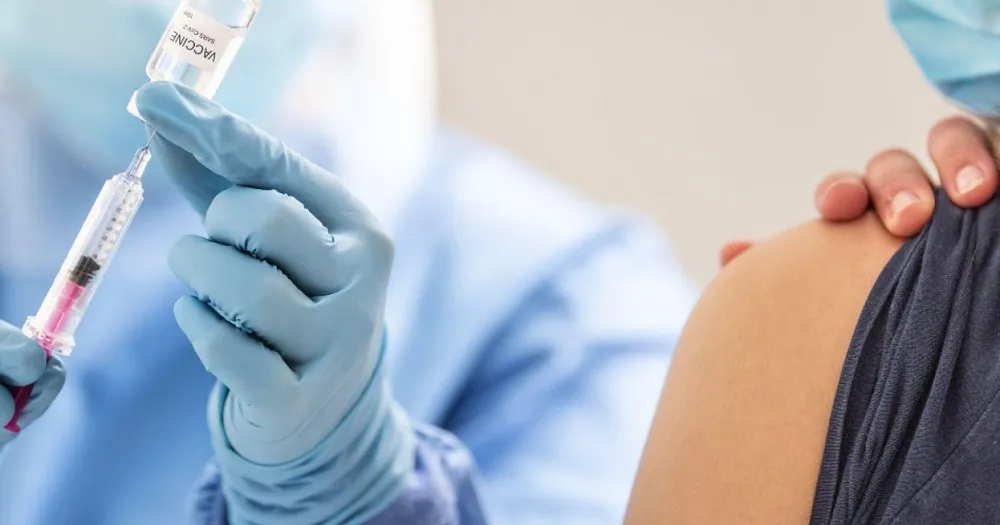
Moderna, in partnership with Merck, is developing a personalised experimental vaccine against melanoma, called intismeran. It is administered after surgical removal of the tumour, in up to nine doses of 1 mg each, given three weeks apart. The treatment is combined with pembrolizumab (Keytruda), an immunotherapy drug already used in cancer treatment, administered every six weeks for approximately one year (up to nine cycles).
Treatment may be stopped earlier if the disease returns, if severe adverse reactions occur, or at the end of the period defined by the medical protocol.
A vaccine tailored to each patient
Unlike conventional vaccines, intismeran is not identical for every patient. After the tumour is removed, doctors analyse a sample to identify specific mutations in the cancer cells, looking for what are known as neoantigens — features that the immune system can recognise as foreign. Based on this data, the vaccine is created using messenger RNA technology to deliver information about up to 34 selected neoantigens to the body.
How it works in the body
Once administered, the body's cells use the instructions in the messenger RNA to temporarily produce proteins corresponding to the identified neoantigens. This process "trains" the immune system's T cells to recognise these tumour-specific characteristics. Keytruda works differently: it blocks a pathway through which cancer cells can suppress the immune response. The two treatments are designed to work in a complementary fashion — the vaccine identifies the target, whilst the immunotherapy enables the immune system to respond.
Clinical trial results
A phase three clinical trial enrolled 1,137 patients with stage IIB–IV melanoma. Some patients received the vaccine plus Keytruda, whilst others received Keytruda plus a placebo. The vaccine–Keytruda combination reduced the risk of the disease recurring or spreading compared with Keytruda alone, meeting the targets set for recurrence-free and distant metastasis-free survival.
The full trial data are yet to be published, and the analysis of overall patient survival is still ongoing — it is therefore not yet possible to determine how the treatment affects total life expectancy. It is important to note that the vaccine remains experimental and is not available as a standard treatment for melanoma patients.
Melanoma is the most aggressive form of skin cancer. In the United Kingdom it causes approximately 2,600 deaths per year, and in the most severe forms of the disease, only around one third of patients survive at least five years from diagnosis.
Other cancer types under investigation
Moderna and Merck are also testing the same technology in other forms of cancer: non-small cell lung, renal, and bladder cancer. Advanced studies are already under way for lung cancer, whilst research into the other types is at earlier stages. The promising results seen in melanoma do not, however, guarantee a similar effect in other tumour types — each must be tested independently.
This is not a preventive vaccine
Despite being called a "vaccine", intismeran does not prevent disease; it is intended exclusively for patients already diagnosed with cancer whose tumour has been surgically removed. The aim is for the immune system to detect any remaining cancer cells, thereby reducing the risk of recurrence or spread. The phase three results represent an important step forward, but further data are needed before the treatment can be assessed by regulatory authorities for potential approval.
Content paraphrased and adapted by SeniorHelp from verified public sources.
Original source: Adevărul →Previous article
Study: ultra-processed foods may increase the risk of prostate cancer
Next article
September Pensions at Risk Following Strike Threat at the Pension House
Similar news

Partial Nephrectomy: The Operation That Treats Kidney Tumours and Preserves the Kidney
16 October 2026

Time spent in nature could improve one's relationship with food, a British study suggests
16 October 2026

What a liver operation involves: preparation and recovery
15 October 2026

Cardiac MRI: the investigation that provides detailed images of the heart
15 October 2026

Chronic insomnia linked to higher risk of stroke, dementia and hospitalisation, shows study of 1.3 million people
14 October 2026
Irritable Bowel Syndrome: Abdominal Pain and Altered Bowel Habits
14 October 2026