
Attention seniors: Why you should not take your pills with juice, milk or alcohol
Nutritionist doctor Mihaela Bilic warns of the risks of taking medication with liquids other than water.

Correct medication administration is a major concern for seniors, who typically follow complex treatment regimens involving multiple daily pills. Nutritionist Dr Mihaela Bilic highlights a widespread and dangerous mistake: taking medication with liquids other than water.
The most dangerous combination remains that of medication and alcohol. Alcoholic drinks interfere with the metabolisation of active substances, intensifying the effects of medication in unpredictable ways. For older adults taking analgesics for chronic pain, tranquillisers, antidepressants or antihistamines, this combination can cause severe adverse effects.
Of particular concern for seniors is the interaction between alcohol and paracetamol, a medicine commonly used for pain relief. This combination amplifies toxicity to the liver — an organ already under strain from age and other treatments. Similarly, combining alcohol with aspirin or ibuprofen, medicines widely used to treat joint problems in older adults, significantly increases the risk of gastrointestinal bleeding.
Grapefruit juice, often considered a healthy option, proves equally problematic. It interferes with more than 20 types of medication essential to seniors, including antihypertensives for blood pressure control, anticoagulants for the prevention of thrombosis, and statins for cholesterol.
The mechanism is complex: grapefruit juice blocks the hepatic enzymes responsible for eliminating medication from the body. The result can be a build-up of active substances to toxic levels, causing cardiac arrhythmias and muscle cramps — symptoms that seniors may easily mistake for other health problems.
Milk and dairy products carry their own specific risks. The calcium they contain can form insoluble compounds with certain medications, reducing the effectiveness of treatment. For seniors taking iron supplements for anaemia, tetracyclines for infections, or thyroid medication, milk can compromise both absorption and therapeutic efficacy.
A common side effect of taking medication with milk is gastric irritation and acid reflux — problems already prevalent in older adults. Furthermore, milk accelerates the breakdown of the protective coating on many tablets, altering the way the active substance is released.
The specialist's recommendation is clear and straightforward: medication should be taken exclusively with water. For seniors who have difficulty swallowing tablets, water remains the safest option — ideally at room temperature to avoid thermal shock.
This information is crucial for families caring for older adults at home, as well as for staff in residential care homes. Observing this simple rule can prevent serious drug interactions and ensure the optimal effectiveness of prescribed treatments.
Content paraphrased and adapted by SeniorHelp from verified public sources.
Original source: Realitatea →Previous article
Mushrooms - the affordable food that can protect seniors against cancer
Next article
Doctors warn: the dangerous foods threatening the health of seniors
Similar news
Microplastics in tap water can be reduced through boiling and filtering, a study shows
16 October 2026
Over 350,000 doses of flu vaccine to arrive in pharmacies next week
16 October 2026
First influenza-related death of this season confirmed by INSP: unvaccinated man from Cluj
16 October 2026
Partial Nephrectomy: The Operation That Treats Kidney Tumours and Preserves the Kidney
16 October 2026

Time spent in nature could improve one's relationship with food, a British study suggests
16 October 2026
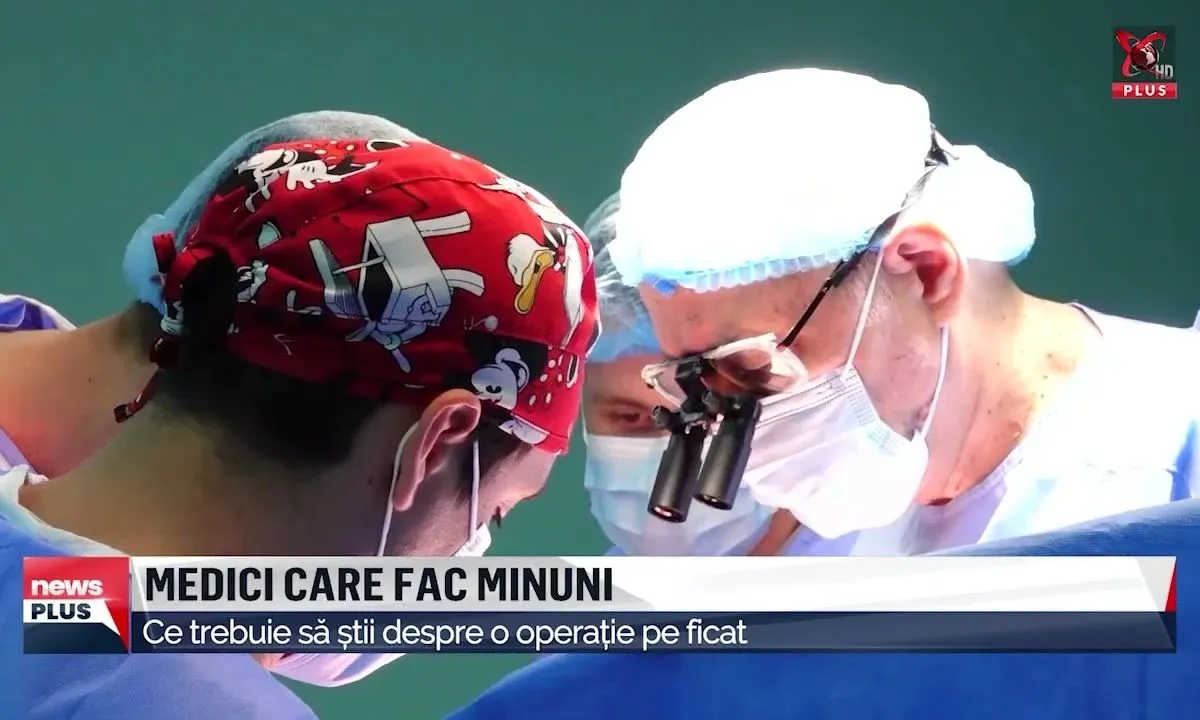
What a liver operation involves: preparation and recovery
15 October 2026