
Aspirin and seniors: Dangerous combinations that can put health at risk
Medicines and supplements that should never be combined with aspirin. Major risk of bleeding and ulcers in older adults.
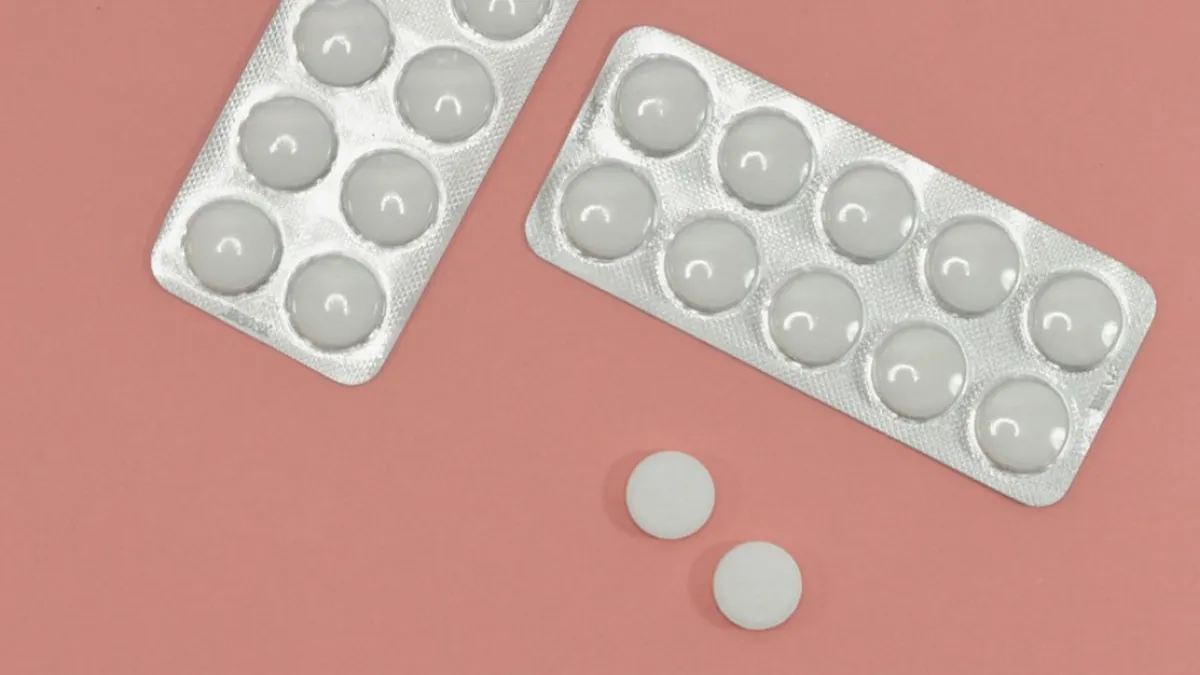
Aspirin is one of the most commonly used medicines among older people for pain management and the prevention of cardiovascular problems. However, taking aspirin in combination with certain medications or supplements can have serious consequences for seniors' health, as they are more vulnerable to adverse reactions.
The combination of aspirin and non-steroidal anti-inflammatory drugs (NSAIDs), such as ibuprofen, is one of the most dangerous pairings. This combination dramatically increases the risk of gastric irritation and can cause severe abdominal pain as well as gastrointestinal bleeding. Older people, who are already at greater risk of developing gastric ulcers, are particularly exposed to these complications when taking both medicines at the same time.
The risks of drinking alcohol with aspirin
Consuming alcohol alongside aspirin is another extremely dangerous combination for seniors. Alcohol amplifies aspirin's irritating effect on the gastric mucosa, leading to severe inflammation and intense stomach pain. For older people, whose stomach lining may already be compromised by other medications or medical conditions, this combination can be devastating.
Interactions with anticoagulant medications
A significant number of seniors are on anticoagulant therapy to prevent blood clot formation. Medications such as trombostop, eliquis, or warfarin should never be combined with aspirin, as both types of medication have blood-thinning properties. This combination can lead to serious internal haemorrhaging, including cerebral or gastrointestinal bleeding that may prove fatal.
Natural supplements with anticoagulant effects
Many older people turn to natural supplements for a variety of health concerns, but some of these can interact dangerously with aspirin. Supplements containing garlic powder, ginkgo biloba, turmeric, or ginseng have natural anticoagulant properties. Taking them alongside aspirin amplifies the blood-thinning effect, increasing the risk of spontaneous bleeding.
Corticosteroids and the risk of ulcers
Seniors undergoing treatment with cortisone or prednisone for various inflammatory conditions must exercise extreme caution when it comes to taking aspirin. Corticosteroids can weaken the gastric mucosa, and combining them with aspirin significantly raises the risk of developing gastroduodenal ulcers. This combination can lead to serious complications, including gastric perforation.
For older people who frequently take multiple medications, it is essential to consult a doctor or pharmacist before adding aspirin to an existing treatment regimen. Seniors should keep an up-to-date list of all the medications and supplements they are taking and present it at every medical appointment, in order to avoid dangerous interactions and protect their health.
Content paraphrased and adapted by SeniorHelp from verified public sources.
Original source: Realitatea →Previous article
Minimum Wage Frozen in 2026 – Impact on Pensioners and the Elderly
Next article
Diet That Prevents Bloating in Older Adults: 5 Safe and Nutritious Options
Similar news

Test from tears for detecting brain tumours, developed by a researcher from Manchester
27 September 2026
Reading for Pleasure Associated with Lower Risk of Cognitive Decline and Dementia
27 September 2026
Researchers have discovered how some aggressive cancers manage to survive
27 September 2026
 Foto ilustrativă
Mediterranean diet linked to lower risk of cardiovascular disease
27 September 2026
 Foto ilustrativă
Free flu vaccine in 2026: who is eligible and when is the best time to get immunised
26 September 2026
Peripheral Arteriography: the investigation that reveals blockages in the arteries of the legs and arms
25 September 2026