
ANSVSA: over 40% of food waste comes from households. How it can be reduced
ANSVSA reveals that over 40% of food waste in Romania comes from households, and recommends planning purchases and storing food correctly.
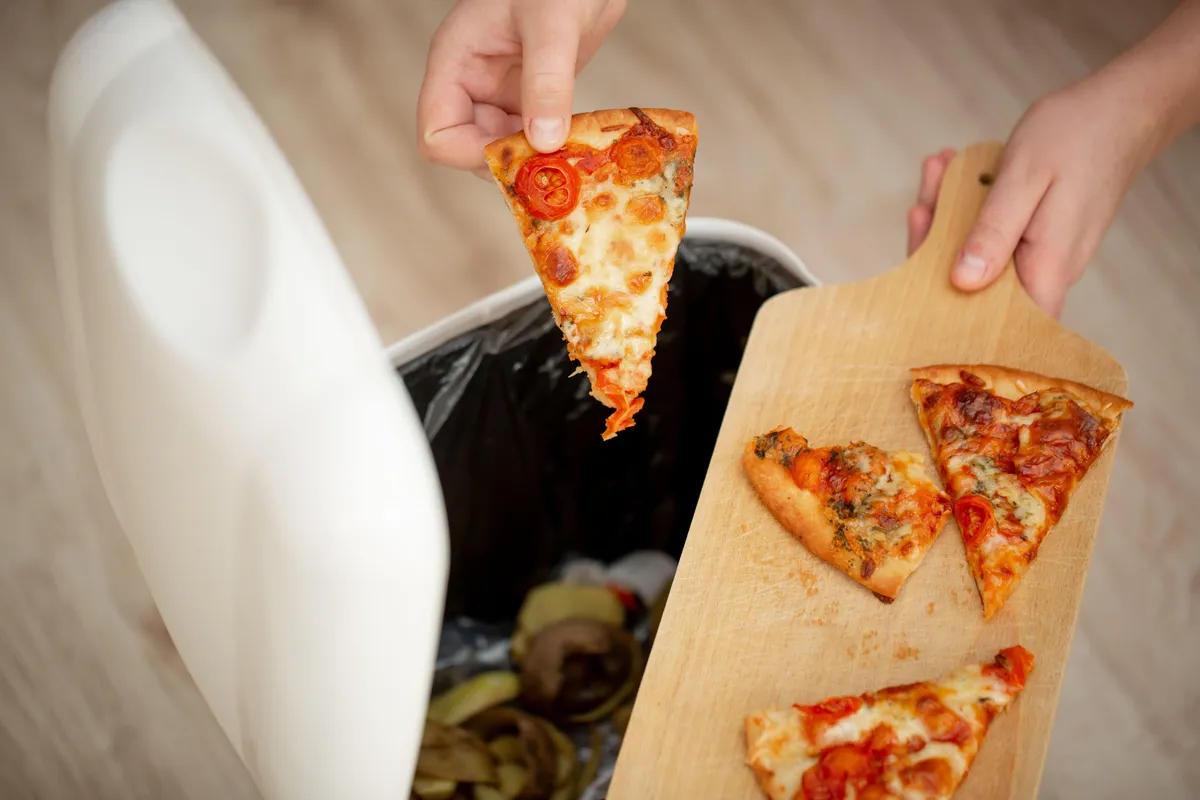
Household consumers account for over 40% of food waste recorded in Romania, according to data presented on Tuesday by the National Sanitary Veterinary and Food Safety Authority (ANSVSA). The institution emphasises that a significant portion of these losses could be prevented through organised shopping, proper food storage, and freezing items that are at risk of not being consumed in time, without compromising their safety.
ANSVSA President Alexandru Bociu stated, on the occasion of the International Day of Awareness on Food Loss and Waste: "Reducing food waste is a strategic objective, but it cannot be achieved by lowering food safety standards. We remain firm in enforcing sanitary veterinary and food safety legislation throughout the entire distribution chain, ensuring that no measure to combat waste will endanger consumer health."
Recommendations for shops and restaurants
County sanitary veterinary directorates inspect, among other things, how retailers manage their product stocks. ANSVSA recommends selling food approaching its best-before or expiry date at a reduced price and at a faster pace. Surplus food may be donated to associations and food banks, in compliance with hygiene standards and cold chain requirements.
According to the institution's press release, "ANSVSA continues to play an active role in guiding economic operators. The central objective is to facilitate the safe channelling of surplus food towards human consumption, preventing it from becoming waste, without making any concessions on public health."
For restaurants and catering establishments, the authority recommends offering portions tailored to customer demand, providing appropriate staff training, and carefully managing raw ingredients.
What households can do to reduce waste
ANSVSA encourages consumers to plan their meals, check what food they already have at home, and draw up a shopping list before going to the shops.
- Applying the "first in, first out" principle by consuming products purchased earlier first;
- Keeping the refrigerator temperature between 1 and 5 degrees Celsius;
- Portioning and freezing food that will not be consumed in time;
- Adapting plate portions to actual appetite in order to avoid waste.
According to the Good Practice Guide for Consumers, it is recommended not to go shopping on an empty stomach and to favour loose products or packaging suited to actual consumption needs. Fruit and vegetables with imperfect appearances may also be purchased, provided they are safe to eat, as well as reduced-price products approaching their best-before date, if they are to be consumed promptly.
At school or in the workplace, waste can be reduced by requesting appropriate portions in the canteen and by responsibly managing shared refrigerators and other communal storage areas. In restaurants, customers are encouraged to order according to their actual appetite and to ask for leftovers to be packaged to take away.
Content paraphrased and adapted by SeniorHelp from verified public sources.
Original source: Digi24 →