
Numbness in the Hands and Feet: Warning Signs for Seniors
Tingling and numbness in the limbs may indicate serious health problems in older adults, ranging from vitamin deficiencies to cardiovascular disease.
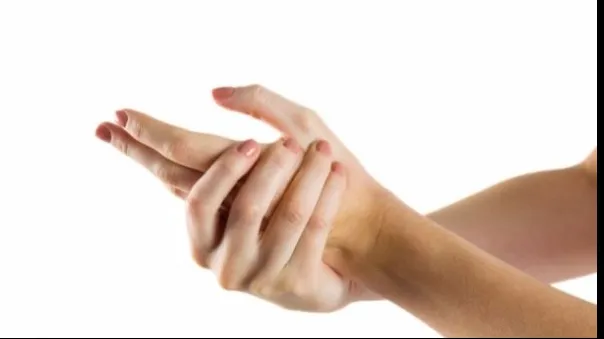
Numbness and tingling in the hands and feet is one of the most frequently encountered health problems among elderly people in Romania. For older adults and their families, understanding the causes of this symptom can be crucial in identifying serious conditions that require immediate medical attention.
Geriatric specialists emphasise that limb numbness in elderly people can have multiple causes, ranging from benign to complex conditions. Heightened anxiety, systemic infections, nutritional deficiencies, or the accumulation of toxins from long-term medication use are just some of the factors that can trigger these symptoms in older adults.
Vitamin deficiency — a common problem in the elderly
Older adults are particularly vulnerable to deficiencies in vitamins B1, B6, B9, B12, and E — nutrients that are essential for nervous system health. Age-related intestinal malabsorption, restrictive diets, and chronically administered medications can all contribute to these deficiencies. Vitamin B12 in particular is critical for elderly people following diets low in animal products, as its deficiency can cause irreversible neurological damage.
Prolonged alcohol consumption — more commonly seen in some older adults who use drink as a coping mechanism for isolation or depression — can lead to peripheral neuropathy. This complication manifests as persistent numbness in the extremities and may indicate serious deterioration of the peripheral nervous system.
Chronic diseases and their implications for older adults
Diabetes mellitus, which is extremely prevalent among elderly people, can progress to diabetic neuropathy — a serious complication affecting the peripheral nerves. Older adults with long-standing diabetes should be alert to the onset of limb numbness, as this may signal poor glycaemic control and the need for treatment adjustments.
Rheumatoid arthritis, a common autoimmune condition in older adults, causes not only joint pain but also inflammation that can compress nerves and produce numbness in the hands and feet. For elderly people with this diagnosis, monitoring neurological symptoms is essential to prevent complications.
Warning signs requiring urgent medical attention
Chronic kidney failure, an increasingly common problem in the elderly population, can manifest as tingling in the legs, accompanied by cramps and muscle weakness. The accumulation of toxins resulting from impaired kidney function can progressively damage the peripheral nerves, making prompt medical assessment necessary.
Peripheral arterial disease is a major concern for older adults with cardiovascular risk factors. Narrowing of the blood vessels reduces circulation to the extremities, causing numbness and tingling that may indicate an elevated risk of serious vascular complications.
Multiple sclerosis and stroke are two of the most serious causes of numbness in elderly people. In the case of stroke, unilateral numbness in the hands or feet — accompanied by speech difficulties, confusion, or loss of balance — constitutes an absolute medical emergency that can save an older person's life if recognised and treated promptly.
Content paraphrased and adapted by SeniorHelp from verified public sources.
Original source: Realitatea →Previous article
New vehicle taxation rules: single payment upon sale and simplified procedures for pensioners
Next article
Growth in Romania's External Debt Directly Impacts Pensioners' Income and Purchasing Power
Similar news

Test from tears for detecting brain tumours, developed by a researcher from Manchester
27 September 2026
 Foto ilustrativă
Mediterranean diet linked to lower risk of cardiovascular disease
27 September 2026
 Foto ilustrativă
Free flu vaccine in 2026: who is eligible and when is the best time to get immunised
26 September 2026
Peripheral Arteriography: the investigation that reveals blockages in the arteries of the legs and arms
25 September 2026

Socola Study: 6 in 10 Romanians Quickly Forget Essential Details. When Should We Be Concerned
25 September 2026
Palpitations, high blood pressure, chest pain: when you need a cardiologist
24 September 2026