
Purple Foods That Protect Seniors From Serious Illness and Premature Ageing
Daily consumption of purple fruits and vegetables helps older adults prevent cancer and cardiovascular disease, whilst protecting the brain and heart.
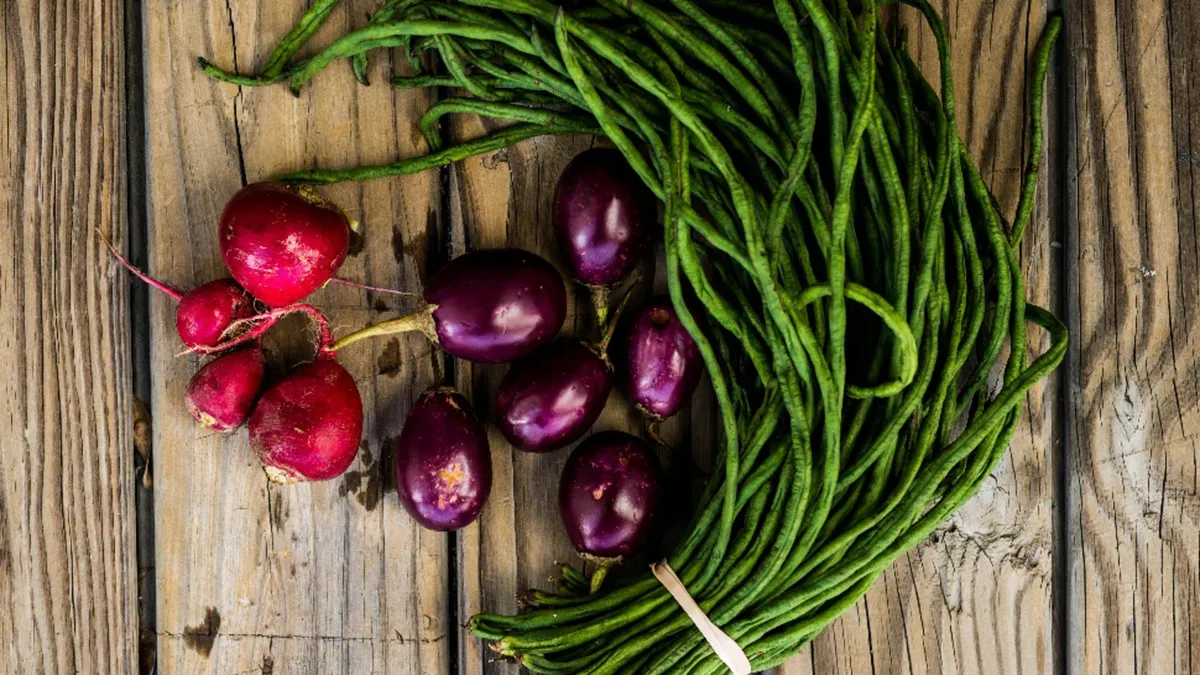
Recent research highlights the crucial importance of purple and dark blue foods in maintaining health at an advanced age. Rich in anthocyanins, these foods represent a powerful weapon in the fight against ageing and the degenerative diseases that particularly affect the senior population.
Advanced age brings with it an increased vulnerability to various serious conditions, including type II diabetes, cancer and cardiovascular disease. Oxidative stress and chronic inflammation — processes that intensify with age — are the principal factors contributing to the progressive deterioration of the body and the onset of these conditions.
The therapeutic power of purple pigments
Anthocyanins, the pigments responsible for the intense colours of these foods, offer exceptional protection against degenerative processes. These bioactive compounds are capable of neutralising free radicals and reducing inflammation — two essential mechanisms for maintaining health in later life. For seniors, this translates into a reduced risk of dementia, cardiovascular protection and a strengthened immune system.
Purple and dark blue foods readily available in Romania include red cabbage, red onion, plums, dark grapes, aubergine, blueberries, blackberries and blackcurrants. These everyday foods can easily be incorporated into the daily diet of older adults, offering a natural and affordable means of disease prevention.
Specific health benefits for seniors
For older people, regular consumption of anthocyanin-rich foods brings multiple, measurable benefits. At a cardiovascular level, these compounds help maintain the elasticity of blood vessels and regulate blood pressure. For the brain, anthocyanins can improve cognitive function and slow the deterioration associated with ageing.
According to international guidelines, the optimal daily dose of anthocyanins for adults is approximately 2.5 mg per kilogram of body weight. For a senior weighing 70 kg, this equates to around 175 mg of anthocyanins per day — an amount that can be obtained by consuming 100–150 g of blueberries or a generous portion of red cabbage.
Incorporating these foods into a daily routine can be achieved in a variety of creative ways: salads with red cabbage and onion, smoothies with blueberries and blackberries, or simply replacing ordinary potatoes with purple sweet potatoes. The key is consistency, as the benefits accumulate over time and provide long-term protection against the degenerative diseases characteristic of advanced age.
Content paraphrased and adapted by SeniorHelp from verified public sources.
Original source: Realitatea →Previous article
Food price rises this spring: how seniors on low pensions will be affected
Next article
Retired People in Rural Areas in Despair: Pension Money Goes Up in Smoke on Firewood
Similar news

He Survived Colon Cancer Three Times. He Hid the First Sign for Years
13 October 2026

DXA Osteodensitometry: how bone density and fracture risk are assessed
13 October 2026
Chronic inflammation can damage the heart before symptoms appear, shows a study of 488,000 people
13 October 2026
Hepatitis A in Constanța: 23 outbreaks, 130 cases, under DSP monitoring
12 October 2026
 Foto ilustrativă
GPs warn: flu vaccination should not be delayed
11 October 2026

GPs recommend flu vaccination before the epidemic spreads
11 October 2026