
Foods That Reduce Hunger in Older Adults: Nutritionists' Recommendations for Seniors
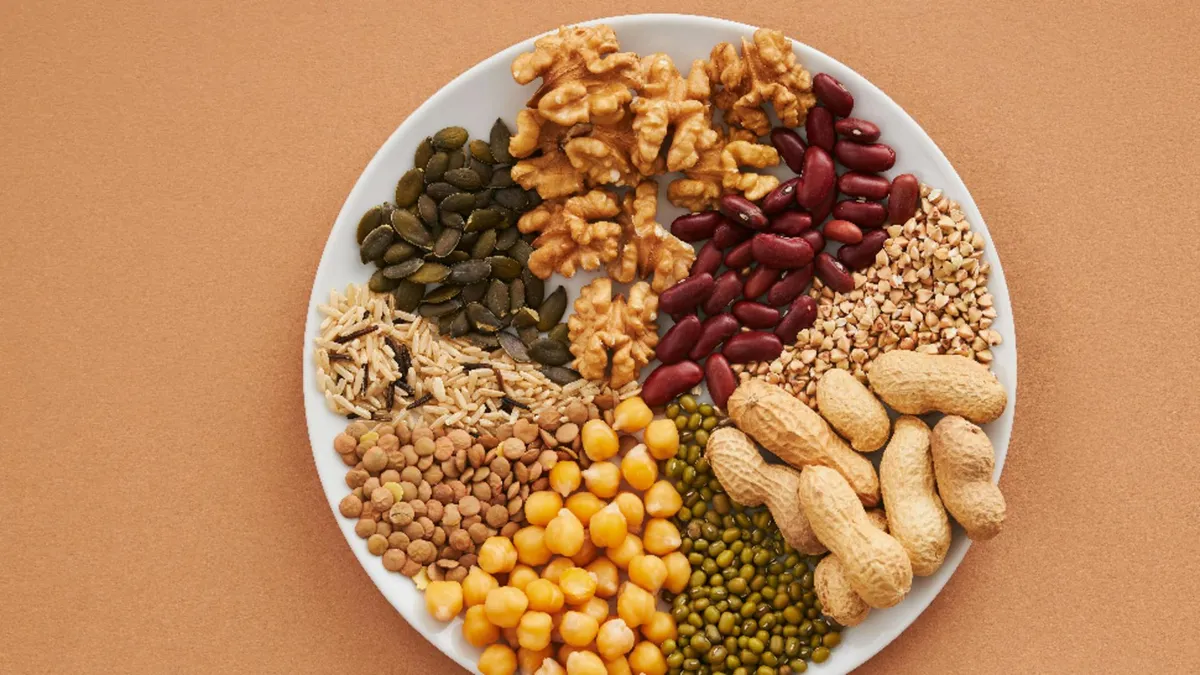
Nuts and seeds can help control appetite in older adults, providing long-lasting satiety and a range of health benefits.
Weight management and maintaining a balanced diet are significant challenges for many seniors. Nutritionists have identified a category of foods, however, that can help older adults manage hunger more easily and adopt healthier eating habits.
Nuts and seeds prove to be invaluable allies in maintaining a healthy weight in older adults. These foods are rich in quality protein, fibre and unsaturated fats that are beneficial for cardiovascular health. Thanks to their complex nutritional composition, they are digested very slowly, providing a prolonged feeling of fullness that can prevent overeating.
For seniors who struggle with appetite regulation or with the temptation to reach for sweets and processed foods, nuts are an ideal alternative. The lengthy chewing process they require allows the brain to receive satiety signals and naturally regulate appetite — a particularly important factor for older adults who may have difficulty perceiving these signals.
Scientifically proven benefits for older adults
Recent research confirms the effectiveness of this dietary strategy. A study conducted over 16 weeks found that people who replaced carbohydrate-heavy snacks with nuts reported a significant reduction in cravings for fast food and sweets. For seniors, this could mean better control of diabetes, cholesterol and blood pressure.
The blood sugar stabilisation that nut consumption provides is especially beneficial for older adults with diabetes or prediabetes. The unsaturated fats in these foods support heart health, whilst the fibre helps maintain a healthy digestive system — both crucial factors in quality of life in later years.
A daily portion of 20–30 grams of nuts is sufficient to achieve the desired benefits. Seniors with nut allergies can opt for various seeds, such as sunflower, pumpkin or sesame, which offer similar benefits. These alternatives are equally effective in appetite control and can easily be incorporated into the daily diet of older adults, whether as a standalone snack or added to salads, yoghurt or cereals.
Content paraphrased and adapted by SeniorHelp from verified public sources.
Original source: Realitatea →Previous article
Romanian diaspora doctors organise to improve Romania's healthcare system
Next article
Benefits of coffee for seniors: protection against Alzheimer's and heart disease
Similar news

Microplastics in tap water can be reduced through boiling and filtering, a study shows
16 October 2026

Over 350,000 doses of flu vaccine to arrive in pharmacies next week
16 October 2026

First influenza-related death of this season confirmed by INSP: unvaccinated man from Cluj
16 October 2026

Partial Nephrectomy: The Operation That Treats Kidney Tumours and Preserves the Kidney
16 October 2026

Time spent in nature could improve one's relationship with food, a British study suggests
16 October 2026

What a liver operation involves: preparation and recovery
15 October 2026