
Foods That Rapidly Combat Low Blood Sugar in the Elderly: The Complete Guide to Hypoglycaemia
Seniors with diabetes or hypoglycaemia need to know which foods raise blood sugar levels quickly in order to prevent dangerous episodes.
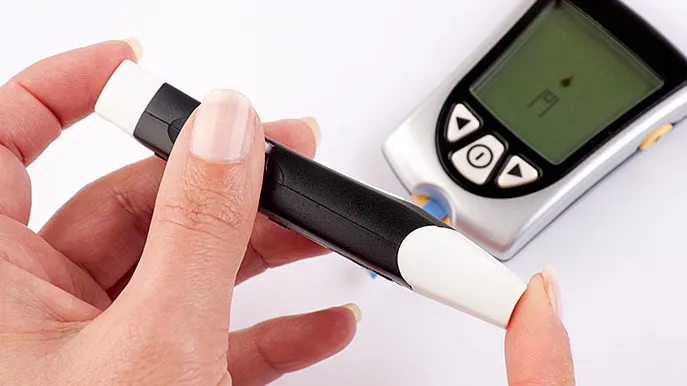
Hypoglycaemia, or a sharp drop in blood sugar, is a serious concern for many older adults — particularly those with diabetes or who take certain medications. Knowing which foods can raise blood sugar quickly allows seniors and their carers to respond effectively in emergencies and prevent serious complications.
Specialists recommend the golden rule of 15 grams of fast-absorbing carbohydrates to correct a hypoglycaemic episode. This amount is sufficient to bring blood sugar levels back to normal without triggering an excessive spike that could prove equally harmful.
Natural fruit juices — a quick and accessible solution
Fruit juices are among the most effective ways to combat hypoglycaemia in older adults. Half a cup (approximately 120 ml) of orange, apple, grape or pineapple juice delivers exactly the 15 grams of carbohydrates needed. The key advantage is that these natural sugars enter the bloodstream rapidly, as there is no fibre — as there would be in whole fruit — to slow absorption. For seniors who have difficulty swallowing or chewing, juices are an ideal and easy-to-administer alternative.
Dried fruit — a concentrated, portable snack
For active older adults who spend time away from home, dried fruit is a practical and effective option. By removing water, the natural sugars become highly concentrated, turning a small amount of food into a rapid energy source. One large Medjool date, two tablespoons of raisins, eight dried apricot halves or three prunes can provide the carbohydrates needed to counter hypoglycaemia.
These options are especially valuable for seniors who need to carry a quick source of sugar with them, as they are easy to keep in a bag or pocket without requiring special storage conditions. Their soft texture also makes them suitable for people with dental problems.
Hard sweets — the emergency fallback
Although not the healthiest choice, hard sweets can be life-saving in emergencies when no other food is available. The added sugar in these products enters the bloodstream extremely quickly, providing immediate relief from hypoglycaemia symptoms. It is important for seniors to choose fat-free varieties, as fat can slow the absorption process.
Recommendations for those caring for older adults
Families and professional carers of seniors must be prepared to manage hypoglycaemic episodes. It is essential to always keep a supply of fast-acting foods close to hand and to know the correct amount to administer. Regular blood sugar monitoring and educating everyone involved in care about the warning signs can prevent emergencies and significantly improve the quality of life of older adults prone to hypoglycaemia.
Content paraphrased and adapted by SeniorHelp from verified public sources.
Original source: Realitatea →Previous article
100 blocks of flats in Sector 3 to be renovated by 2026, with major benefits for seniors
Next article
Bucharest Hospitals Without Heat: Temperatures of 16 Degrees and Delayed Operations
Similar news

Microplastics in tap water can be reduced through boiling and filtering, a study shows
16 October 2026
Over 350,000 doses of flu vaccine to arrive in pharmacies next week
16 October 2026
First influenza-related death of this season confirmed by INSP: unvaccinated man from Cluj
16 October 2026
Partial Nephrectomy: The Operation That Treats Kidney Tumours and Preserves the Kidney
16 October 2026
Time spent in nature could improve one's relationship with food, a British study suggests
16 October 2026
What a liver operation involves: preparation and recovery
15 October 2026