
Foods That Combat Fatigue in Older Adults: Recommendations for Daily Energy
Specialists recommend 6 essential foods that provide sustained energy for seniors and help combat the fatigue associated with advancing age.
Chronic fatigue and low energy are common problems among older adults, significantly affecting quality of life and the ability to carry out daily activities. Diet plays a fundamental role in maintaining vitality in seniors, and choosing the right foods can make the difference between an energetic day and one overshadowed by exhaustion.
A slower metabolism, hormonal changes and the presence of chronic conditions make seniors more vulnerable to nutritional deficiencies. It is therefore crucial that they are aware of foods that can support their energy levels throughout the day without causing sudden fluctuations in blood sugar.
Wholegrains for lasting energy
Oats stand out as one of the most valuable foods for supporting energy in older adults. As a rich source of complex carbohydrates, oats release energy gradually, avoiding the sudden fatigue that follows the consumption of simple sugars. Their high soluble fibre content helps regulate blood sugar levels — a particularly important consideration for seniors with diabetes or prediabetes. Eating oats regularly at breakfast can provide the energy needed to power through the first part of the day.
Energising, nutrient-rich fruits
Bananas are an excellent choice for seniors who need a quick source of energy. Rich in potassium, vitamin B6 and natural carbohydrates, they deliver an energy boost without the adverse effects of processed sugars. The potassium in bananas supports muscle and cardiovascular function — both essential for active older adults. Vitamin B6, meanwhile, plays a role in cellular energy metabolism, helping the body convert food into usable energy more efficiently.
Seeds and nuts for nutritional support
Almonds, walnuts, pumpkin seeds and chia seeds are concentrated sources of energy from healthy fats. These foods contain the magnesium needed for energy production at a cellular level, as well as protein and iron to support overall vitality. For seniors experiencing fatigue caused by mineral deficiencies, incorporating nuts and seeds regularly into their diet can bring noticeable improvements to their general wellbeing.
Green vegetables for natural vitality
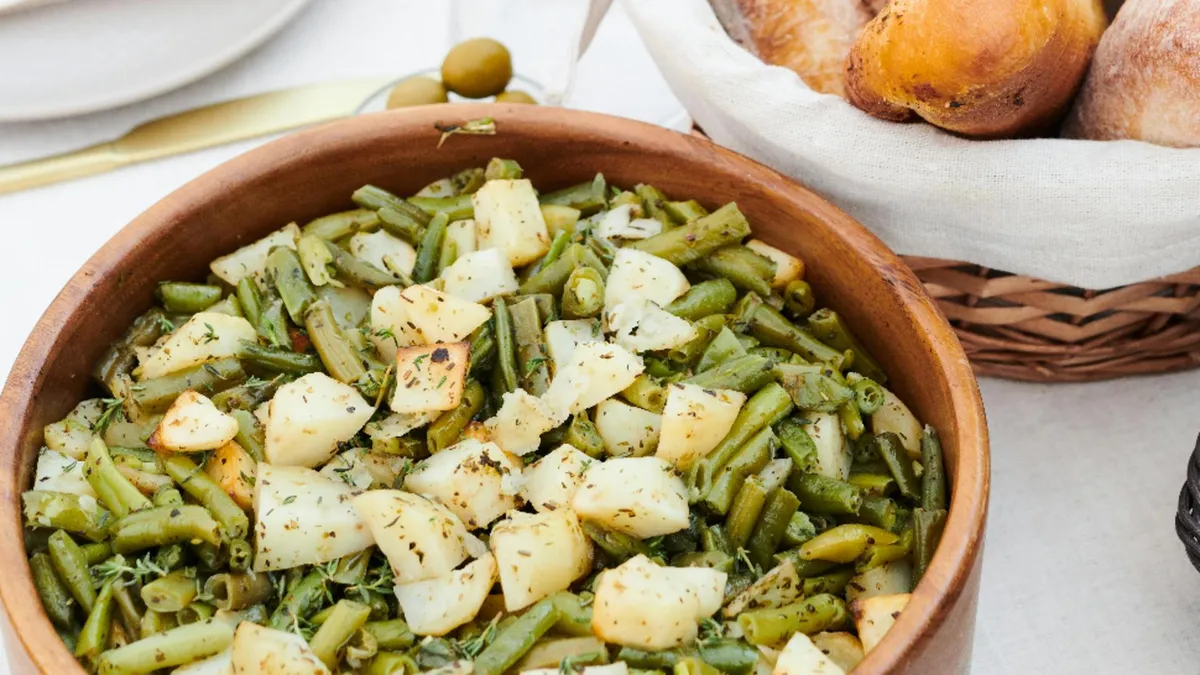
Spinach, kale, broccoli and lettuce are essential in seniors' diets thanks to their rich content of iron, folic acid, magnesium and vitamin C. Iron deficiency is common in older adults and can cause severe fatigue, reduced concentration and a weakened immune system. Including green vegetables in the diet on a regular basis can help prevent these issues and maintain optimal energy levels. They can be eaten raw in salads or prepared in a variety of ways to maximise nutrient absorption.
Legumes for long-term stamina
Lentils and chickpeas offer an ideal combination of complex carbohydrates, quality protein, iron and zinc. These legumes sustain energy over time and help prevent hunger between meals, making them particularly beneficial for seniors who want to maintain a consistent energy level throughout the day. Their versatility means they can be used in soups, salads or a range of main dishes, adapting easily to individual dietary preferences.
Dark chocolate with a minimum of 70% cocoa can be a pleasant addition to a senior's diet, providing flavonoids, magnesium and theobromine. These natural compounds can improve blood circulation and gently stimulate the nervous system, without the intense effects of caffeine. Moderate consumption — one or two squares a day — can help lift mood and energy levels, making it a healthier alternative to processed sweets.
Content paraphrased and adapted by SeniorHelp from verified public sources.
Original source: Realitatea →Previous article
Buying back work seniority is getting more expensive: what seniors need to know about the new rules
Next article
Romania Has the Most Expensive Energy in Europe. How Seniors Can Cut Their Bills by 30%
Similar news
First influenza-related death of this season confirmed by INSP: unvaccinated man from Cluj
16 October 2026
Partial Nephrectomy: The Operation That Treats Kidney Tumours and Preserves the Kidney
16 October 2026
Time spent in nature could improve one's relationship with food, a British study suggests
16 October 2026
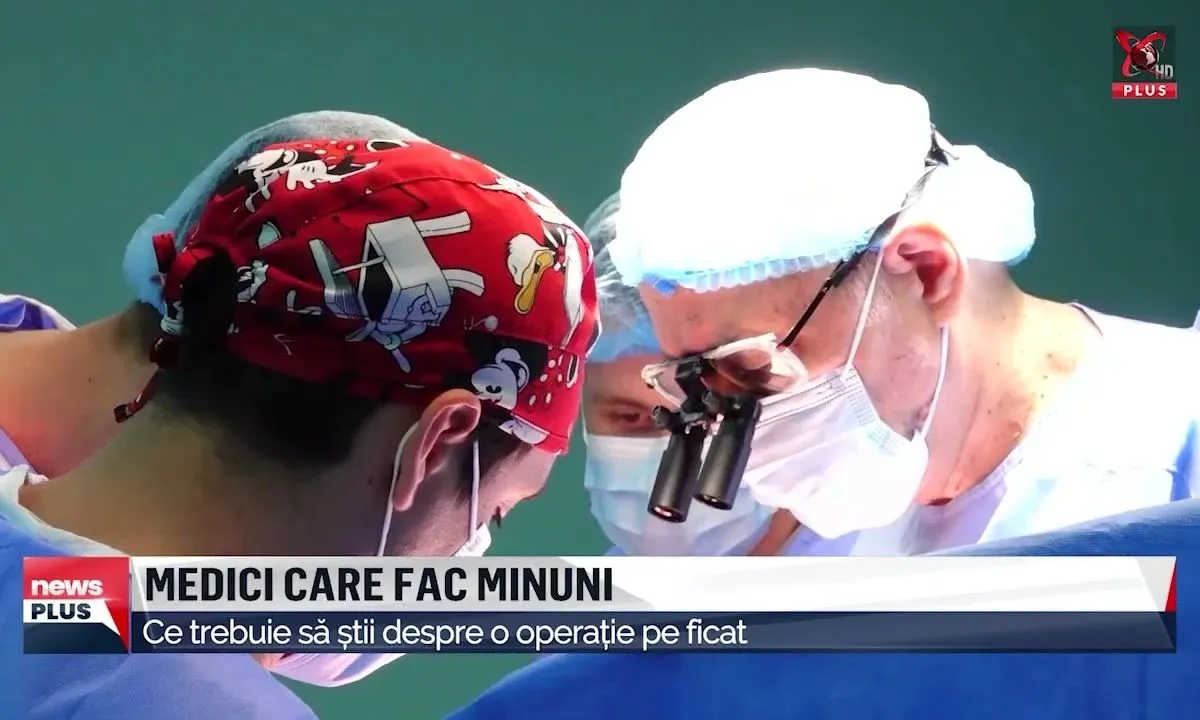
What a liver operation involves: preparation and recovery
15 October 2026

Cardiac MRI: the investigation that provides detailed images of the heart
15 October 2026

Chronic insomnia linked to higher risk of stroke, dementia and hospitalisation, shows study of 1.3 million people
14 October 2026