
Foods Rich in Magnesium That Improve Sleep and Bone Health in Seniors
Magnesium supports the nervous system and can improve sleep in older adults. Pumpkin seeds, leafy greens and legumes are excellent sources.
Magnesium is an essential mineral for seniors dealing with sleep problems and weakening bones as they age. This vital mineral helps maintain normal muscle function, regulates the nervous system, and can significantly improve sleep quality — aspects that are particularly important for older people.
For elderly people experiencing insomnia or fragmented sleep — common problems after the age of 65 — including magnesium-rich foods in the diet can bring noticeable improvements. Nutrition specialists recommend a natural, food-based approach to raising levels of this mineral in the body, especially as magnesium deficiency is frequently found among seniors.
Pumpkin seeds — the magnesium champion
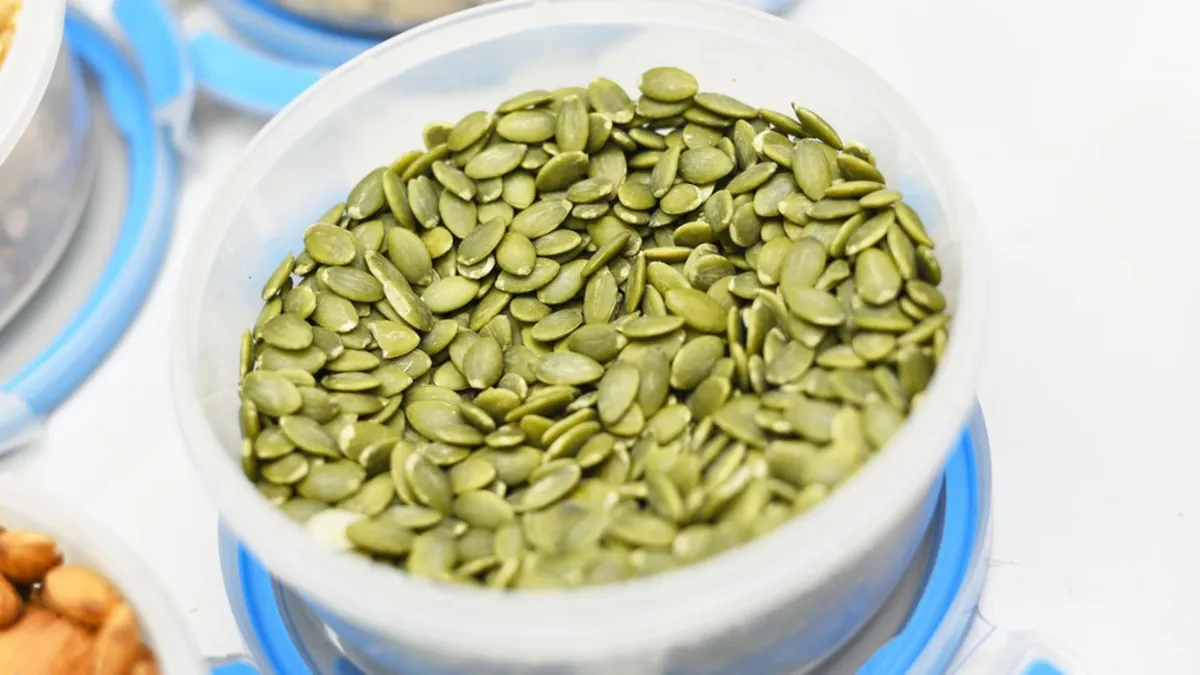
Pumpkin seeds stand out for their exceptional magnesium content — nearly 760 mg per cup, representing more than double the daily requirement. For seniors with chewing difficulties, they can be ground and added to yoghurt, cereals, or soups. Regular consumption can help improve sleep quality and maintain bone density.
Leafy greens — allies for the nervous system
Spinach, kale, and Swiss chard provide between 24 and 156 mg of magnesium per serving, and are easy to incorporate into a senior's daily menu. These greens can be eaten raw in salads for optimal absorption, or cooked in easy-to-digest soups. For elderly people with swallowing difficulties, leafy greens can be blended into nutritious smoothies.
Legumes such as chickpeas, beans, and edamame offer between 71 and 120 mg of magnesium per serving and represent an accessible source of minerals. They can be prepared as a paste for those with dental problems, or included in cream soups for easier digestion. Regular consumption of legumes can help stabilise blood sugar levels — an important consideration for seniors with diabetes.
Other valuable sources for older adults
Chia seeds, though small, are packed with magnesium (95 mg per two tablespoons) and can easily be added to porridge or drinks. Nuts and nut butters provide 74–80 mg of magnesium per 30g, making them an ideal snack for maintaining energy levels. For seniors who prefer softer textures, almond or cashew butter can be incorporated into a variety of dishes.
A medium-sized baked potato contributes 48 mg of magnesium and is easy on the sensitive digestive systems of older adults. Soya-based products such as soya milk and tofu offer an alternative for those with lactose intolerance, providing between 40 and 61 mg of magnesium per serving. Including these foods in the daily diet can have beneficial effects on sleep, the reduction of muscle cramps, and the maintenance of bone health in seniors.
Content paraphrased and adapted by SeniorHelp from verified public sources.
Original source: Realitatea →Previous article
Pensions on Card: What the New Measure Means for Romania's Elderly
Next article
Government Prepares to Raise Retirement Age for Military Personnel and Police Officers in 2025
Similar news

Microplastics in tap water can be reduced through boiling and filtering, a study shows
16 October 2026

Over 350,000 doses of flu vaccine to arrive in pharmacies next week
16 October 2026

First influenza-related death of this season confirmed by INSP: unvaccinated man from Cluj
16 October 2026

Partial Nephrectomy: The Operation That Treats Kidney Tumours and Preserves the Kidney
16 October 2026

Time spent in nature could improve one's relationship with food, a British study suggests
16 October 2026

What a liver operation involves: preparation and recovery
15 October 2026