
Physical activity protects seniors' brains against Alzheimer's and Parkinson's
Recent studies demonstrate that regular exercise activates the brain's natural toxin-elimination mechanisms in older adults.
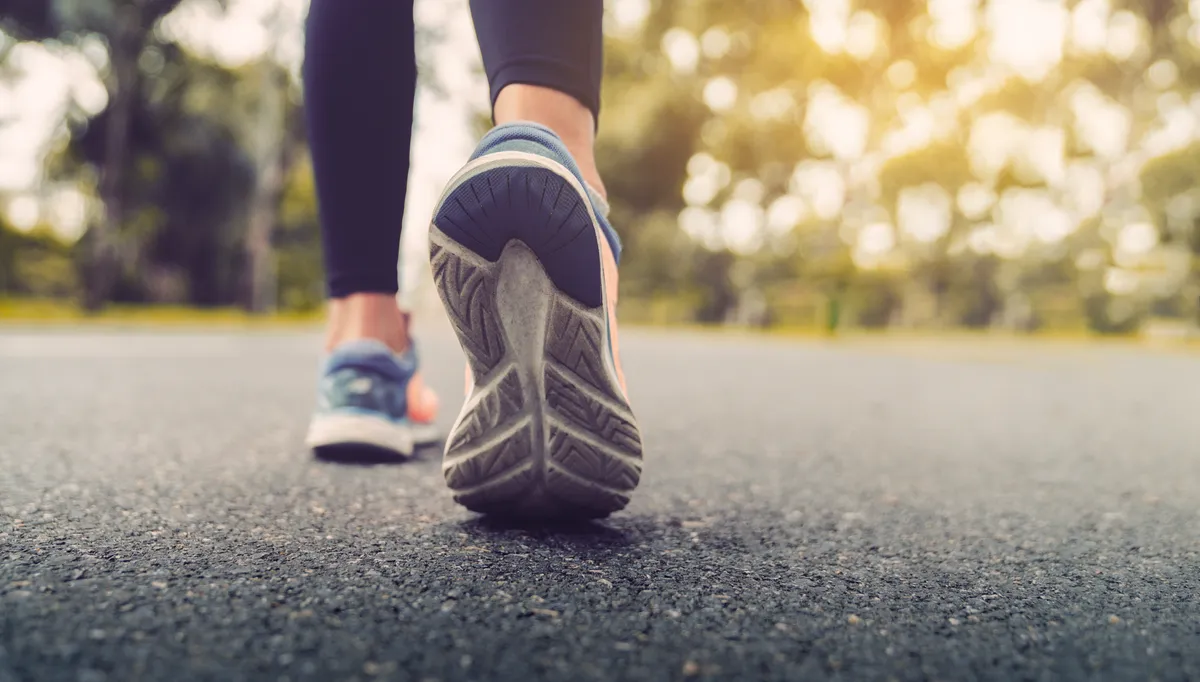
Recent scientific research confirms that regular physical activity is one of the most effective methods of protecting the brain in older adults. Studies show that exercise activates a natural brain-cleansing mechanism that is essential for the prevention of neurodegenerative diseases.
Physical exercise stimulates the cerebral lymphatic system, known as the glymphatic system, which functions as a "cleaning" system for the brain. This mechanism removes toxic proteins and metabolic waste that accumulate in brain tissue, including the amyloid plaques associated with Alzheimer's disease and the alpha-synuclein aggregates linked to Parkinson's disease.
Direct benefits for active seniors
For older people, even moderate forms of physical exercise bring significant improvements in cognitive function. Regular physical activity improves sleep quality in seniors — a crucial period during which the brain carries out its detoxification processes.
Psychologists note that seniors who engage in modest sporting activity experience improved concentration and greater emotional stability. These benefits are particularly important for people showing the first signs of cognitive decline, or for those who wish to maintain their mental sharpness.
Specialists recommend that seniors begin with simple activities such as daily walks, gentle swimming, or balance exercises. Even 30 minutes of moderate movement, three to four times a week, can activate the brain's protective mechanisms and contribute significantly to the prevention of neurodegenerative diseases.
Content paraphrased and adapted by SeniorHelp from verified public sources.
Original source: Digi24 →Previous article
Regular Medical Check-Ups Save Lives: The Case of a Senior with an Asymptomatic Condition
Next article
Innovative therapy without chemotherapy for blood cancer in the elderly
Similar news

Microplastics in tap water can be reduced through boiling and filtering, a study shows
16 October 2026
Over 350,000 doses of flu vaccine to arrive in pharmacies next week
16 October 2026
First influenza-related death of this season confirmed by INSP: unvaccinated man from Cluj
16 October 2026
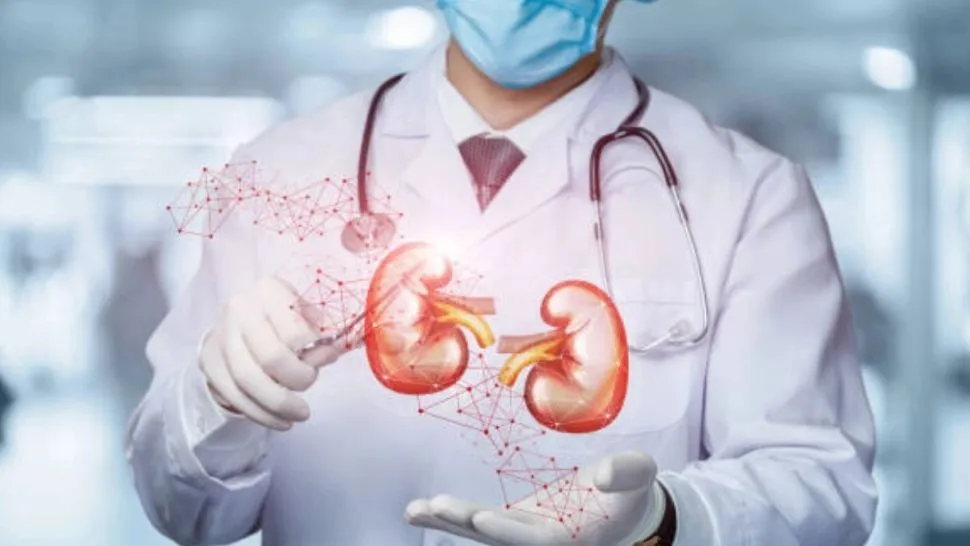
Partial Nephrectomy: The Operation That Treats Kidney Tumours and Preserves the Kidney
16 October 2026

Time spent in nature could improve one's relationship with food, a British study suggests
16 October 2026

What a liver operation involves: preparation and recovery
15 October 2026