
4 in 10 nurses want to leave the profession. Impact on elderly care
A wide-ranging study from Spain reveals that job insecurity and poor care quality are driving care workers to leave the profession.
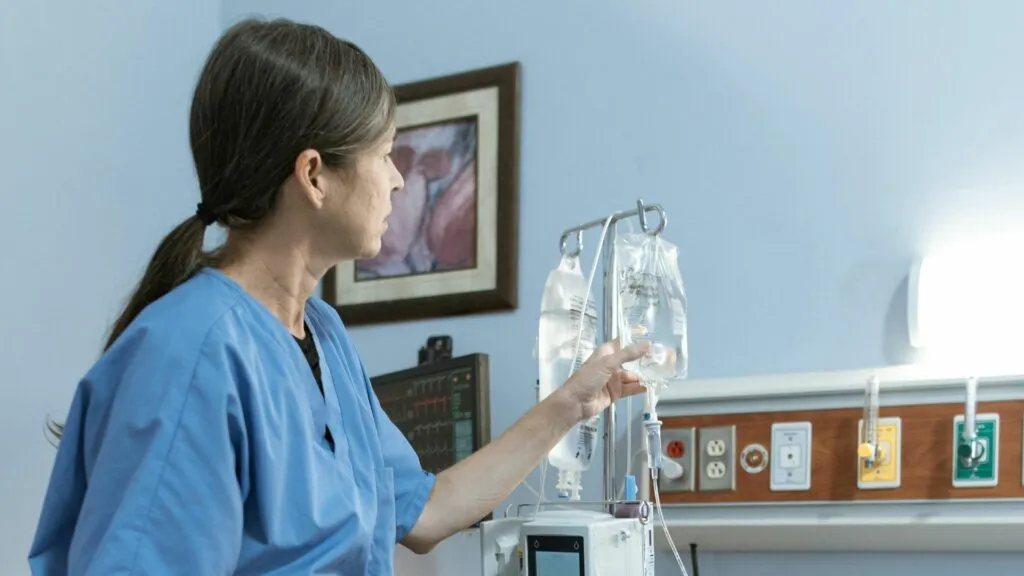
A large-scale study carried out in Spain shows that nearly 4 in 10 nurses wish to leave the profession within the next 10 years — a trend that could have a significant impact on the quality of medical care for older people. The research, led by the Ministry of Health and the Carlos III Health Institute, analysed responses from more than 20,000 participants.
The findings indicate that 39.6% of nurses intend to leave the field within the next decade, while 17% are considering doing so within just two years. The main causes identified are lack of job security and concerns about the quality of patient care.
Temporary contracts compound the problem
The professional instability created by fixed-term contracts increases the likelihood of nurses leaving the profession by 33%. More worryingly still, a perception of poor patient safety raises the risk of abandoning the medical field by 81%.
Nearly 6 in 10 nurses who wish to quit cite lack of stability as the primary reason, followed by insufficient professional recognition and inadequate working conditions. These issues directly affect the quality of care received by elderly patients, who require specialist attention and continuity of treatment.
Stark regional differences
The study reveals significant geographical inequalities: nurses in Madrid, the Canary Islands, Galicia, and the Balearic Islands are twice as likely to leave the profession compared to their counterparts in Navarra. These differences reflect variations in working conditions and the organisation of local healthcare systems.
Insufficient time for patient care
A major issue identified is the gap between professional training and actual practice. Only 34.5% of specialist nurses work in the field for which they trained, contributing to professional frustration. Furthermore, 6 in 10 nurses report that they do not have sufficient time for adequate patient care, and are forced to skip certain medical procedures.
An expanding European crisis
The situation in Spain reflects a broader trend across Europe, where healthcare systems are grappling with a growing shortage of medical staff. This crisis is compounded by the accelerating ageing of the population, which places additional pressure on medical services and makes retaining qualified personnel increasingly difficult.
International organisations estimate that hundreds of thousands of additional nurses will be needed in the coming years to maintain care standards. In countries such as Germany, France, and the United Kingdom, healthcare unions are reporting rising rates of professional attrition, with mounting difficulties in covering hospital rotas and primary care.
Content paraphrased and adapted by SeniorHelp from verified public sources.
Original source: Mediafax →Previous article
Local Administration Returns to Unified Pay Scale. Impact on Services for Seniors
Next article
Paying pension contribution periods becomes more expensive from July - new costs for topping up years of service
Similar news

Microplastics in tap water can be reduced through boiling and filtering, a study shows
16 October 2026

Over 350,000 doses of flu vaccine to arrive in pharmacies next week
16 October 2026
First influenza-related death of this season confirmed by INSP: unvaccinated man from Cluj
16 October 2026

Partial Nephrectomy: The Operation That Treats Kidney Tumours and Preserves the Kidney
16 October 2026

Time spent in nature could improve one's relationship with food, a British study suggests
16 October 2026
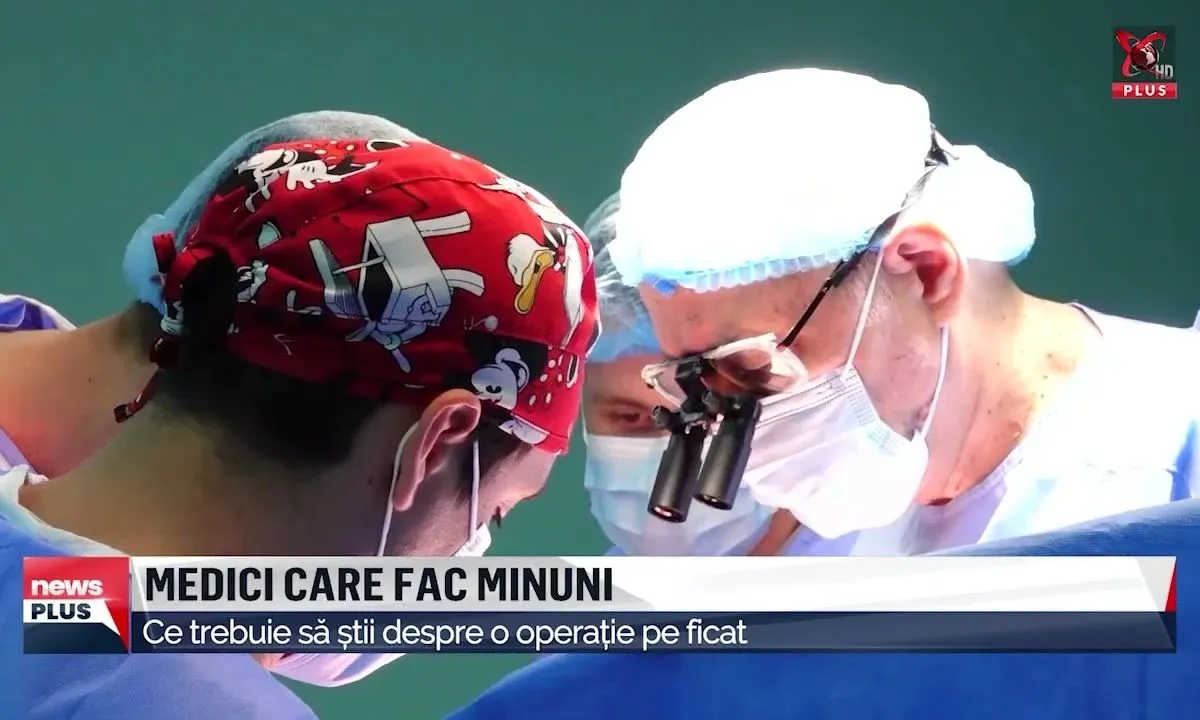
What a liver operation involves: preparation and recovery
15 October 2026