
Experimental mRNA vaccine against melanoma shows positive results in study of 1,137 patients
The "intismeran autogene" vaccine, tested by Merck and Moderna alongside the Keytruda immunotherapy, has reduced the risk of recurrence in patients with advanced melanoma.
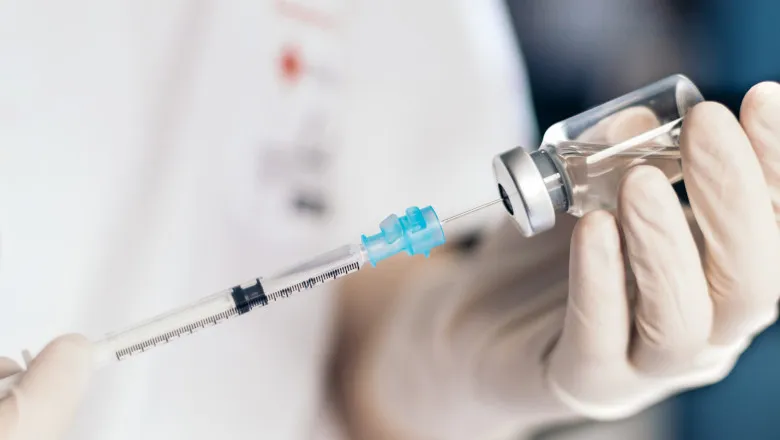
An experimental skin cancer vaccine has shown promising results in the final phase of clinical trials, conducted on 1,137 patients in advanced stages of the disease.
The treatment, called "autogene cevumeran", uses messenger RNA (mRNA) technology – the same technology used in COVID-19 vaccines. This marks the first announcement of positive results from a phase 3 trial for an mRNA-based cancer therapy, according to a joint statement from Merck and Moderna, cited by Agerpres.
How the treatment works
This is a personalised therapy, tailored to the specific mutations of each patient's tumour. The vaccine instructs the body's cells on how to produce proteins capable of triggering an immune response, with the aim of training the patient's immune system to recognise and attack cancer cells.
In the trial, this personalised therapy was combined with Keytruda immunotherapy, manufactured by Merck. Comparison with a treatment based on Keytruda alone showed a "statistically significant" improvement in recurrence-free survival in patients with advanced-stage melanoma who had previously undergone surgery.
Reactions from specialists
Oncologist Marco Gerlinger, a professor at the Barts Cancer Institute in London, described the results as "proof of concept that personalised cancer vaccines work" and spoke of "a major breakthrough in the development of new cancer immunotherapies", whilst noting that the statement did not provide sufficient detail.
Lennard Lee, an oncologist and associate professor at the University of Oxford, called the results "very encouraging", but said he was waiting to see the complete trial data.
Stéphane Bancel, Moderna's chief executive, stated: "For many years, the idea of creating an mRNA-based treatment designed specifically for a person's cancer was difficult to imagine. Today, we are helping to turn that vision into reality."
What comes next
Merck and Moderna intend to present the complete trial data at a forthcoming medical congress and to begin the process of seeking regulatory approval.
Melanoma is one of the deadliest forms of skin cancer. Worldwide, more than 330,000 new cases were diagnosed in 2022, a figure that is on the rise, according to the two pharmaceutical companies.
Content paraphrased and adapted by SeniorHelp from verified public sources.
Original source: Digi24 →Previous article
Rogobete: Healthcare Reforms Cannot Be Made Abruptly and by Force
Next article
Coughing at mealtimes: when it can be a sign of reflux or a swallowing disorder
Similar news

Why We Feel More Tired in Autumn: What the Specialists Say
7 October 2026

Thyroid Nodules: What an Ultrasound Reveals and When Further Tests Are Needed
6 October 2026

Mușchii, „organul longevității”: de ce slăbesc după 30 de ani și cum pot fi ajutați
6 October 2026

Winter Time and the Body: What Studies Show About Sleep, Energy and Health
5 October 2026

Recurring heartburn can be a sign of gastro-oesophageal reflux disease
5 October 2026

How to Choose the Right Pillow for Sleep. Signs That It Needs Replacing
3 October 2026