
A persistent cough lasting more than three weeks: doctors warn of lung cancer risk
Pulmonologists are warning that symptoms such as a persistent cough or a change in its character may be signs of lung cancer and require specialist investigations.
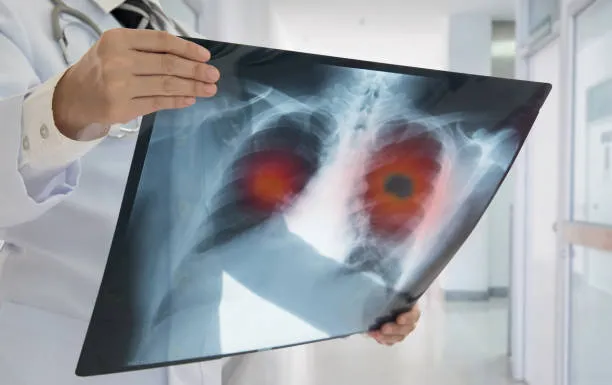
Pulmonologists are sounding the alarm: bronchopulmonary cancer is often detected at advanced stages because its symptoms are mistaken for other respiratory conditions, particularly in smokers.
"One of the most common situations we encounter is the patient who says they're coughing 'as usual' because they've been a smoker for many years. In reality, when a cough changes in character — becoming more frequent, occurring at night, or being accompanied by blood — it must be investigated without delay. We cannot wait for it to pass on its own," explains Dr Ovidiu Lucuța, primary pulmonologist at Spitalul de Pneumoftiziologie Sibiu.
Symptoms that must not be ignored
Specialists list the main warning signs that may indicate the presence of lung cancer: a cough lasting more than three weeks, a change in an existing chronic cough, coughing up blood, shortness of breath, persistent chest pain, hoarseness, recurrent respiratory infections, unexplained weight loss, loss of appetite, and pronounced fatigue.
Doctors stress, however, that the presence of these symptoms does not automatically confirm a cancer diagnosis.
"It is very important for people to understand that having these symptoms does not mean they have cancer. They can also occur in bronchitis, pneumonia, COPD, or other respiratory diseases. This is precisely why a specialist consultation is necessary — the specialist determines the appropriate investigations and the correct diagnosis," states Dr Ovidiu Lucuța.
Self-medication delays disease detection
Doctors also draw attention to the dangers of self-medication when it comes to persistent respiratory symptoms.
"We see patients who take antibiotics or cough syrups on their own initiative for weeks on end, without a medical consultation. If symptoms persist, symptomatic treatment does not address the underlying cause, and the diagnosis of a serious illness may be delayed," the doctor explains.
A pulmonology consultation is particularly recommended for the following groups:
- smokers and former smokers;
- people over the age of 50;
- people occupationally exposed to asbestos, radon, dust, or other toxic substances;
- people with a family history of lung cancer.
"Our aim is not to alarm the public, but to encourage a sense of responsibility. Medicine today has significant resources for diagnosis and treatment, but these must be used in a timely manner. The sooner a patient sees a pulmonologist, the greater the chances of a favourable outcome," says Dr Ovidiu Lucuța.
Spitalul de Pneumoftiziologie Sibiu recommends that any persistent respiratory symptom be assessed by a specialist and urges patients not to postpone their medical consultation.
Content paraphrased and adapted by SeniorHelp from verified public sources.
Original source: Mediafax →Previous article
Rogobete: The Pay Law Could Trigger an Exodus of Doctors from Hospitals
Next article
Third Day of Healthcare Strike: Interventions and Admissions Postponed, Unions Demand Written Guarantees
Similar news
 Foto ilustrativă
How Many Hours of Sleep Are Needed at Each Age, According to Doctors
12 September 2026
 Foto ilustrativă
Autumn Squash: Few Calories, Many Nutrients. Benefits and Ways to Cook It
12 September 2026
 Foto ilustrativă
West Nile Virus: 72 confirmed cases and 5 deaths in Romania in 2026
11 September 2026
 Foto ilustrativă
Global warming accelerates the spread of infectious diseases; Eastern Europe, a risk zone
11 September 2026
 Foto ilustrativă
Warm or cold drinks in summer? What Nicole Păcuraru says about cooling the body down
11 September 2026
 Foto ilustrativă
Robotic Knee Prosthesis: How Precision Technology Works
11 September 2026