
Home urine test detects 9 out of 10 cases of bladder cancer
A urine test evaluated by the NHS identified 92% of bladder cancer cases in a study of nearly 1,000 patients across the United Kingdom.
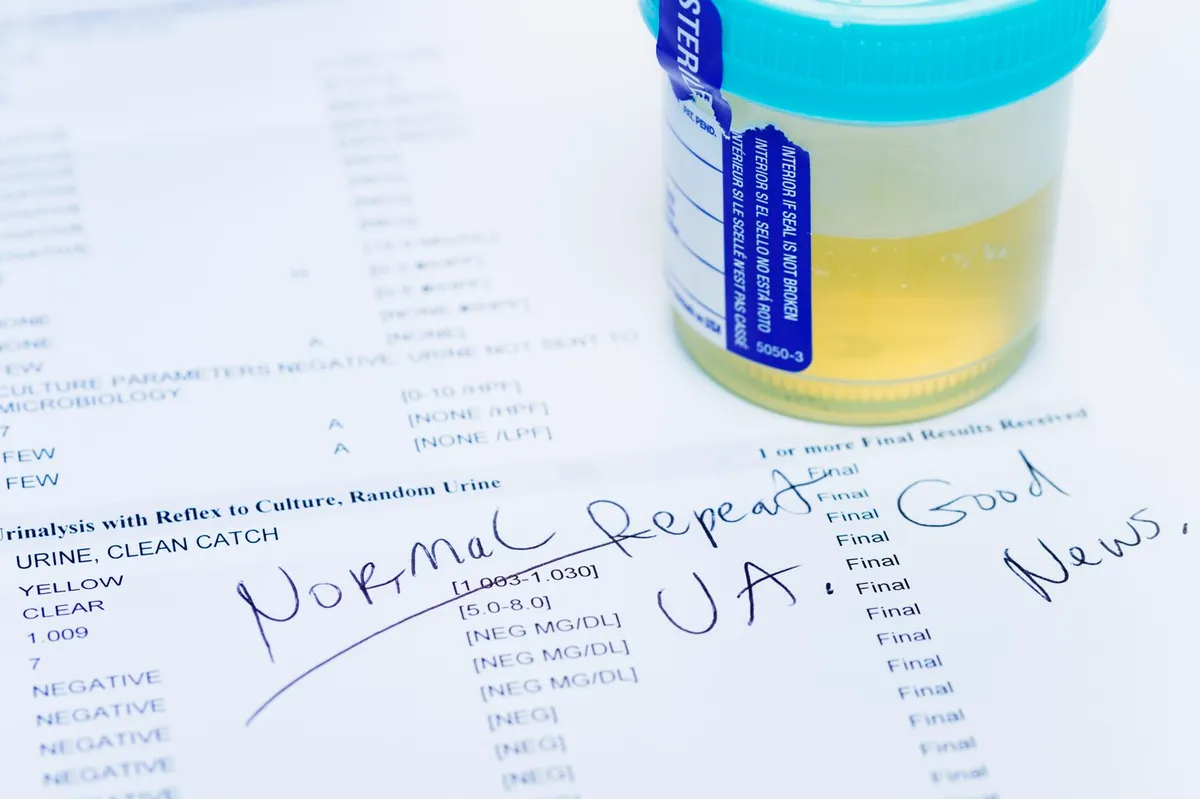
A urine test that can be carried out at home, assessed by the UK's National Health Service (NHS), has successfully detected more than 9 in 10 cases of bladder cancer, according to the latest results of a study reported by the BBC.
The research, published in the journal European Urology Oncology, was led by the University of Birmingham in collaboration with diagnostics company Nonacus. Nearly 1,000 patients from seven hospitals across England and Scotland took part in the study.
Researchers hope the test, called Galeas, will reduce the number of patients who need to undergo cystoscopies — invasive and uncomfortable procedures that involve inserting a small camera through the urethra into the bladder. If a larger study confirms the findings, tens of thousands of patients could avoid these investigations each year.
How the test works
More than 300,000 cystoscopies are performed annually in the United Kingdom, and waiting lists in some regions are considerable. The urine test does not replace cystoscopy, but could help doctors more quickly identify high-risk patients who should be investigated as a priority.
The NHS study showed that the Galeas test identified 92% of bladder cancer cases. In the event of a negative result, the probability that the patient does not have the disease was greater than 99%.
The test analyses genetic material released into the urine by cancerous cells, examining more than 450 DNA mutations associated with bladder cancer across 23 genes. The method was originally developed by the University of Birmingham, with funding from Cancer Research UK.
A method still under evaluation
Professor Richard Bryan, co-author of the study and a researcher at the University of Birmingham, said that after years of work developing and testing the method, it was encouraging to see "very promising preliminary results" in a large number of patients under real-world conditions.
The test is commercialised by Nonacus under a licensing agreement, with the company directing a portion of its revenues to the University of Birmingham and Cancer Research UK.
Michelle Mitchell, a representative of Cancer Research UK, stated: "Too many people are waiting longer than they should for a bladder cancer diagnosis, and it is essential that we find ways to address this problem. The test is still at an early stage and further research is needed, but it is vital that we continue to seek faster, less invasive methods that can help diagnose or rule out cancer."
Bladder cancer occurs more frequently in men over the age of 60, with the presence of blood in the urine being the primary symptom. The severity of the disease depends on the size of the tumour and whether the cancer has spread to other parts of the body. Early detection and treatment can save lives.
Content paraphrased and adapted by SeniorHelp from verified public sources.
Original source: Digi24 →Previous article
TEZAUR September 2026: interest rates of up to 7.15%, subscriptions until 2 October
Next article
How arterial blockages of the heart are detected: from angio-CT to coronary angiography
Similar news

Warning Signs of Breast Cancer Beyond the Lump: What Should Send You to the Doctor
22 October 2026
What to eat and drink before your flu jab, according to doctors
22 October 2026

Tea and heart health: how often, what type and how hot you drink it all matters
22 October 2026

Avocado: benefits for heart health and digestion, but also situations in which it should be consumed with caution
22 October 2026
Rogobete: 65,000 doses of flu vaccine distributed by Thursday evening
21 October 2026

Rogobete: 175,000 doses of flu vaccine to be distributed, on-call pay to increase progressively
21 October 2026