
Study: loneliness and social isolation can reduce disease-free life by 6 years
A study of over 270,000 adults shows that isolation and loneliness affect physical health and, in particular, mental health, with differing effects in women and men.
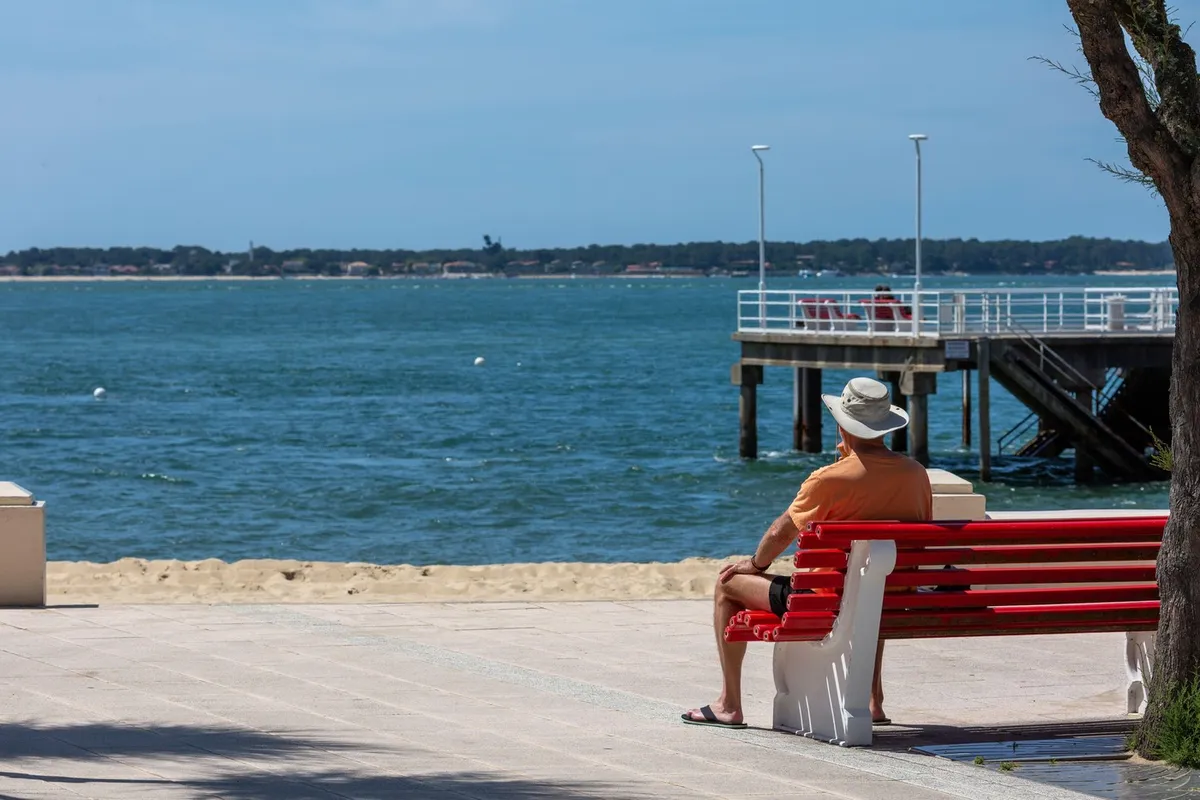
A study published in the journal Nature Communications, based on data from over 270,000 adults aged between 40 and 69, shows that loneliness and social isolation can reduce, on average, by approximately six years the period of life spent free from illness.
The researchers draw a distinction between the two phenomena: social isolation refers to limited contact and interaction with others, whilst loneliness is the subjective experience of feeling disconnected from the world. Although distinct, the study shows that both are associated with fewer years of healthy life.
"Overall, the study found that social isolation and loneliness can have a significant impact on disease-free life expectancy," said Lu Qi, professor at Tulane University and lead author of the research.
According to the data, the effects are more pronounced on mental health than on physical health. The loss of healthy years linked to conditions such as depression and anxiety was more marked than that associated with physical illnesses — type 2 diabetes, cardiovascular disease, chronic respiratory disease, neurodegenerative diseases, or cancer.
A healthy lifestyle can mitigate the negative effects of social isolation; however, according to the researchers, it does not appear to offset the effects associated with loneliness. At the age of 50, individuals experiencing both loneliness and social isolation simultaneously had fewer years of life free from major chronic illness, compared with those who experienced neither.
Differences between women and men
The study shows that the impact is not identical in women and men. In women, mental health problems are more strongly associated with loneliness, possibly because women place greater importance on emotional connection. In men, mental health is more strongly linked to social isolation.
- In women: loneliness and social isolation were associated with 2.4 years spent in poorer physical health and 3.7 years in poorer mental health.
- In men: the same phenomena were associated with the loss of 1.7 years of life free from physical illness and 5.8 years of life free from mental health disorders.
Men were, according to the study, more likely to experience loneliness and social isolation simultaneously, to have fewer social, material, and economic resources, and to score lower on measures of healthy lifestyle.
The authors of the research explain the difference between the sexes through the different ways in which people find support and maintain psychological wellbeing: men tend to rely more on physical presence and frequent social interaction, whilst women place greater emphasis on emotional support.
Content paraphrased and adapted by SeniorHelp from verified public sources.
Original source: Digi24 →Previous article
Ploiești: 72-year-old patient dies after admission to a private care clinic. Police investigating
Next article
Heating Assistance 2026–2027: income thresholds and application submission period
Similar news
He Survived Colon Cancer Three Times. He Hid the First Sign for Years
13 October 2026

DXA Osteodensitometry: how bone density and fracture risk are assessed
13 October 2026
Chronic inflammation can damage the heart before symptoms appear, shows a study of 488,000 people
13 October 2026

Hepatitis A in Constanța: 23 outbreaks, 130 cases, under DSP monitoring
12 October 2026
 Foto ilustrativă
GPs warn: flu vaccination should not be delayed
11 October 2026
GPs recommend flu vaccination before the epidemic spreads
11 October 2026