
Study: adults under 50 are ageing biologically faster, possible link to rising cancer rates
A study of 164,000 adults shows that the current generation of under-50s is ageing biologically faster than their parents, a phenomenon linked to the rise in cancer cases among younger people.
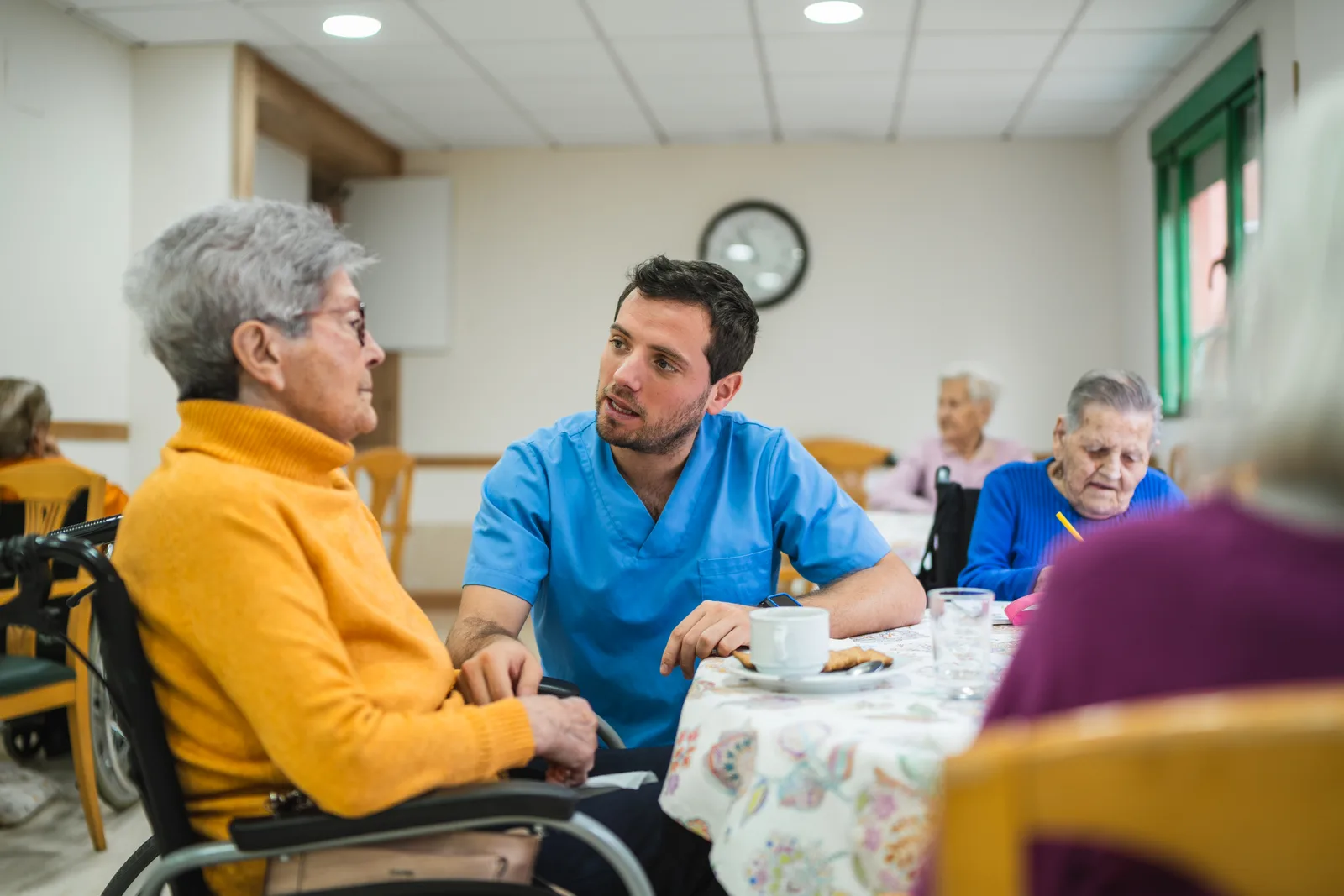 Foto ilustrativă
A study published in the journal Nature Medicine shows that today's young adults are undergoing accelerated biological ageing compared to previous generations, and researchers believe this phenomenon may explain why increasing numbers of them are developing cancer, according to The Times.
Researchers analysed blood samples from 164,000 adults in the United Kingdom and the United States, seeking to understand why cancer rates among people under 50 are rising globally.
What the data shows
The findings indicate that people are reaching a state of "accelerated biological ageing" as early as their thirties and forties — sooner than their parents did. Biological ageing refers to markers of bodily wear and tear — such as inflammation and DNA damage — which can be caused by an unhealthy lifestyle or exposure to pollutants.
Biological age was calculated by analysing participants' blood samples and medical data using an algorithm called PhenoAge, applied to data from 154,000 individuals in the UK Biobank and 10,000 in the United States. This algorithm made it possible to determine whether a person was biologically "older" or "younger" than their actual age.
One concrete example from the study: people who are currently 50 years old showed a biological ageing rate 23% faster during their young adult years than people who are currently 70.
The link to cancer risk
The research, funded by Cancer Research UK, found that adults whose biological age exceeded their actual age faced a greater risk of developing cancer before the age of 55.
Since 1993, cancer rates in the United Kingdom have grown twice as fast among people under 50 as among older individuals. Breast and bowel cancer are the most common forms of the disease in young adults, and ovarian cancer cases are also on the rise. Currently, 10,000 more adults under 50 are diagnosed annually in the United Kingdom than in the 1990s — a trend observed worldwide.
The study forms part of Team Prospect, a research group established to investigate the rise in cancer incidence among young people, within the global "Cancer Grand Challenges" initiative, funded by Cancer Research UK and the US National Cancer Institute.
What the researchers say
Yin Cao, from the School of Medicine at Washington University and one of the study's authors, explained: "Biological ageing is not just about the number of birthdays you've had — it reflects the wear and tear occurring inside the body at a cellular and molecular level. This can include changes that affect how cells and tissues function, such as chronic inflammation, a weakening immune system, and the accumulation of cellular damage over time."
She added: "Our findings suggest that some younger adults may be experiencing these biological changes earlier than expected, and that this could be linked to the rising cancer rates observed in younger generations. Through Team Prospect, we are using systems thinking to understand how environmental, lifestyle, and social factors across a lifetime can become biologically embedded in the body and contribute to these changes."
David Scott, Director of Cancer Grand Challenges, noted: "At this point, we do not have a definitive answer as to what is driving the rise in early-onset cancers worldwide, but studies such as this help us build a broader picture, showing that cancer can be influenced not only by changes within individual cells, but also by wider changes occurring throughout the body as a whole."
He added: "These findings suggest that accelerated biological ageing may reflect the combined impact of our lifestyle and environment on the body over time, potentially helping to explain why certain types of cancer are appearing earlier in younger generations." Scott emphasised that the scale of the initiative has enabled the bringing together of "scientists from different fields around the world to tackle these complex questions collectively".
Content paraphrased and adapted by SeniorHelp from verified public sources.
Original source: Digi24 →Previous article
Heatwave wreaks havoc: thousands of ambulance calls in Bucharest-Ilfov in just a few days
Next article
Retired Romanians living on borrowed time: unindexed pensions leave them without money for medication and bills
Similar news

Microplastics in tap water can be reduced through boiling and filtering, a study shows
16 October 2026
Over 350,000 doses of flu vaccine to arrive in pharmacies next week
16 October 2026
First influenza-related death of this season confirmed by INSP: unvaccinated man from Cluj
16 October 2026

Partial Nephrectomy: The Operation That Treats Kidney Tumours and Preserves the Kidney
16 October 2026

Time spent in nature could improve one's relationship with food, a British study suggests
16 October 2026
What a liver operation involves: preparation and recovery
15 October 2026