
Romanian Healthcare System Reforms Along Spanish Lines to Improve Elderly Care
Ministrul Sănătății discută la Madrid reformarea gărzilor medicale și dezvoltarea serviciilor de sănătate mintală pentru o mai bună îngrijire a seniorilor. The Minister of Health holds talks in Madrid on reforming medical on-call services and developing mental health provision for improved care of older people.
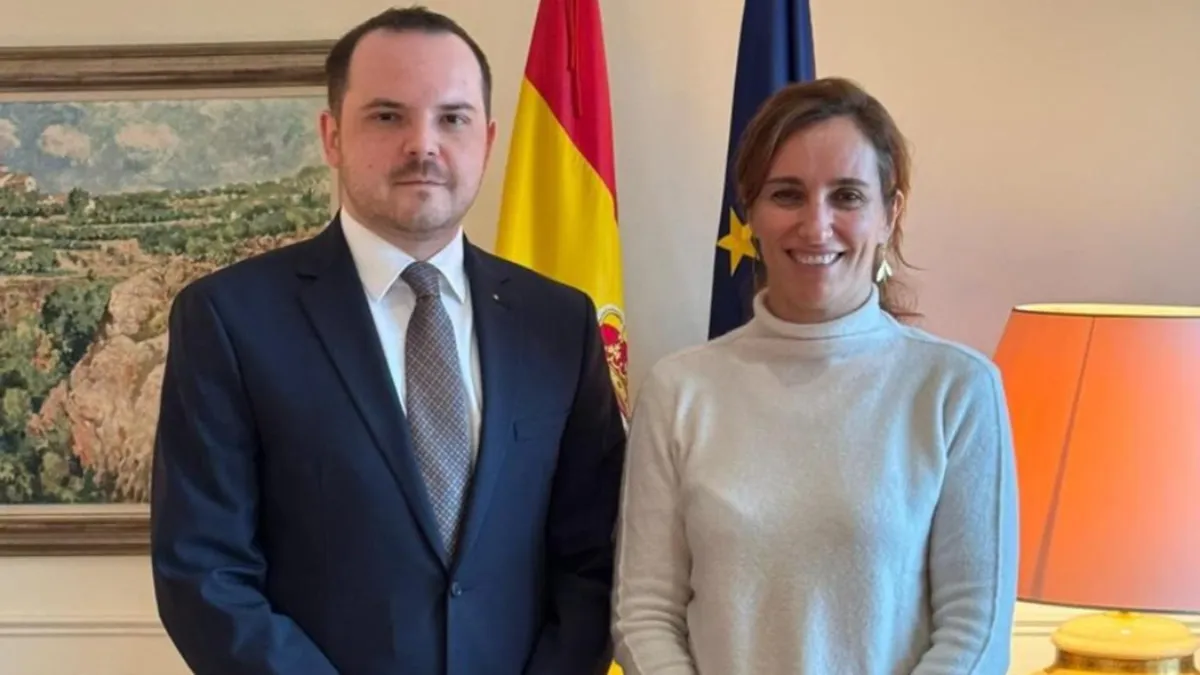
Romania's healthcare system is preparing for major reforms that will have a significant impact on elderly care and older people's access to quality medical services. Health Minister Alexandru Rogobete held official meetings in Madrid with his Spanish counterpart to study and adapt successful European models to Romania's own circumstances.
One of the key concerns discussed was the reorganisation of the medical on-call system — an essential reform for improving continuous medical care, and particularly important for the elderly population, who frequently require emergency intervention. The proposed new structure introduces 12-hour shifts and three distinct on-call types: home-based, monitoring, and emergency — a system aligned with European standards that promises better medical coverage for seniors.
The expansion of specialist outpatient services and the development of community medical centres represent another strategic direction with a direct impact on older people. These measures will make it easier for elderly patients to access specialist medical services closer to home, reducing the need for long and costly journeys to major urban centres.
Strengthening the role of the family doctor in senior care
The reform also aims to strengthen the role of the family doctor within community centres — a crucial aspect of continuously monitoring the health of older people. Family doctors will take a more active role in managing age-related chronic conditions, ensuring preventive care and better control of degenerative illnesses.
A particularly important element of the discussions focused on developing the mental health services network, an area in which seniors represent a vulnerable group. Collaboration with Spanish specialists will support the implementation of the Mental Health Action Plan 2024–2029, with a focus on reorganising community-level services and early intervention for psychiatric conditions specific to older people.
Prevention and tackling addiction represent another priority addressed during the meetings, with emphasis on developing Romania's first National Strategy for Combating Addiction. This initiative will include measures specifically targeting the prevention and treatment of dependencies in older people — a growing phenomenon that requires specialised approaches sensitive to the particular characteristics of this age group.
The exchange of experience with the Spanish healthcare system promises to accelerate the implementation of reforms in Romania, with direct benefits for elderly care. Models and strategies that have been validated in Spain will be adapted to local conditions, and Spanish specialists will participate in Romanian working groups to ensure the effective implementation of the new health policies.
Content paraphrased and adapted by SeniorHelp from verified public sources.
Original source: Realitatea →Previous article
End of Capped Gas Prices: How Pensioners Will Be Affected From April 2026
Next article
Heart attack in the elderly: symptoms and warning signs that seniors need to know
Similar news

Microplastics in tap water can be reduced through boiling and filtering, a study shows
16 October 2026

Over 350,000 doses of flu vaccine to arrive in pharmacies next week
16 October 2026
First influenza-related death of this season confirmed by INSP: unvaccinated man from Cluj
16 October 2026

Partial Nephrectomy: The Operation That Treats Kidney Tumours and Preserves the Kidney
16 October 2026

Time spent in nature could improve one's relationship with food, a British study suggests
16 October 2026
What a liver operation involves: preparation and recovery
15 October 2026