
Free Medical Services for Uninsured Seniors in 2026: What Rights Remain
Elderly people without health insurance retain access to emergency services, preventive care and national health programmes.
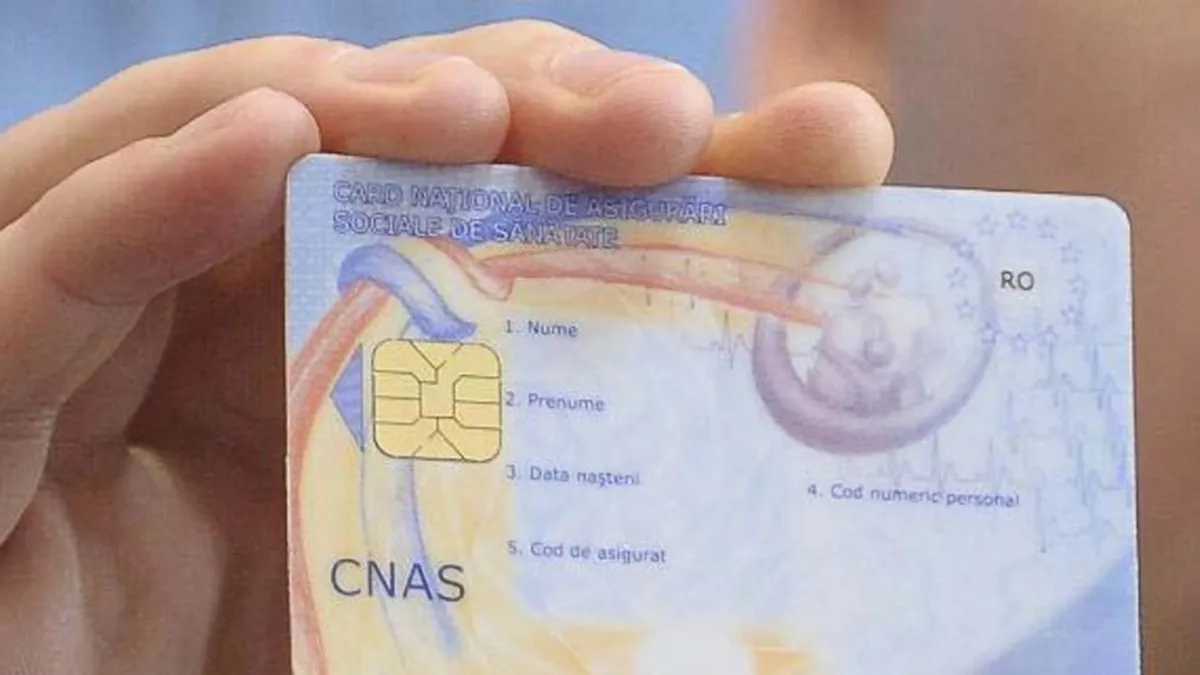
In a context where many elderly people struggle to pay their social insurance contributions, the authorities maintain a minimal package of free medical services for the uninsured. These measures are aimed particularly at vulnerable seniors, who represent a high-risk group when it comes to losing medical coverage due to low incomes or gaps in their working history.
The minimal package guarantees access to primary medical care, basic consultations with a GP, and essential preventive services. For uninsured elderly people, this means they can continue to have their health monitored and receive regular consultations, depending on their age and any chronic conditions they may have. The services also include family planning and unassisted medical transport in emergency situations.
In medical emergencies, uninsured seniors are entitled to free admission to public hospitals until their condition is stabilised. This is a crucial safeguard for elderly people, who are more susceptible to serious medical complications. Oncological, cardiovascular, and neurological emergencies are fully covered, and patients may also receive specialist medical transport if their mobility is limited due to fractures, amputations, or neurological conditions.
Available diagnostic and treatment services
For the confirmation of oncological diagnoses, hepatitis B and C testing, and HIV testing, uninsured elderly people can access the necessary investigations free of charge, provided they have a referral from a doctor contracted with the health insurance funds. This is an important provision, given that the incidence of cancer increases with age and that many elderly people postpone investigations due to cost.
Through day hospitalisation, seniors can receive treatment for conditions commonly affecting this age group: diabetes mellitus, ischaemic cardiomyopathy, respiratory or urinary infections, and gastroenterological conditions. This facility allows chronic conditions to be treated without the need for extended hospital stays, thereby reducing the financial burden on elderly patients.
Limitations and financial responsibilities
Nevertheless, uninsured elderly people must bear the full cost of standard laboratory tests, imaging investigations, and most pharmaceutical treatments. Once a medical emergency has been stabilised, any continuation of hospitalisation becomes the patient's financial responsibility — which can represent a significant burden for pensioners on low incomes.
For seniors enrolled in national health programmes for conditions such as HIV/AIDS, tuberculosis, or other illnesses covered by dedicated programmes, access to treatment remains fully covered. They benefit from continuity of care and specialist medical monitoring, regardless of their insurance status.
These measures represent a minimal safety net for vulnerable elderly people, but they highlight the importance of maintaining insured status in order to have full access to the medical services needed for adequate senior care.
Content paraphrased and adapted by SeniorHelp from verified public sources.
Original source: Realitatea →Previous article
Romania, the Country with the Cheapest Food in the EU – What This Means for Seniors on Low Pensions
Next article
Crisis in the healthcare system: Medical staff threaten general strike over wage cuts
Similar news

New law: savings and investment accounts for retirement, based on the American 401(k) model
16 October 2026

Pensions indexed from 2027 and capped salaries: what the Niculescu Government's programme provides for
15 October 2026

Niculescu Government promises extended energy bill support and gradual gas liberalisation
15 October 2026

AUR proposes retirement at 60 for people diagnosed with cancer
15 October 2026

College of Physicians calls for government reforms: on-call duties paid at 2017 salary levels
14 October 2026
 Foto ilustrativă
Patients with chronic illnesses warn they risk running out of treatments. Appeal to authorities
14 October 2026