
Transplanted pig kidney functioned for 271 days in the body of a US patient
A kidney from a genetically modified pig functioned for 271 days inside the body of Tim Andrews — the longest recorded interval to date, according to American doctors.
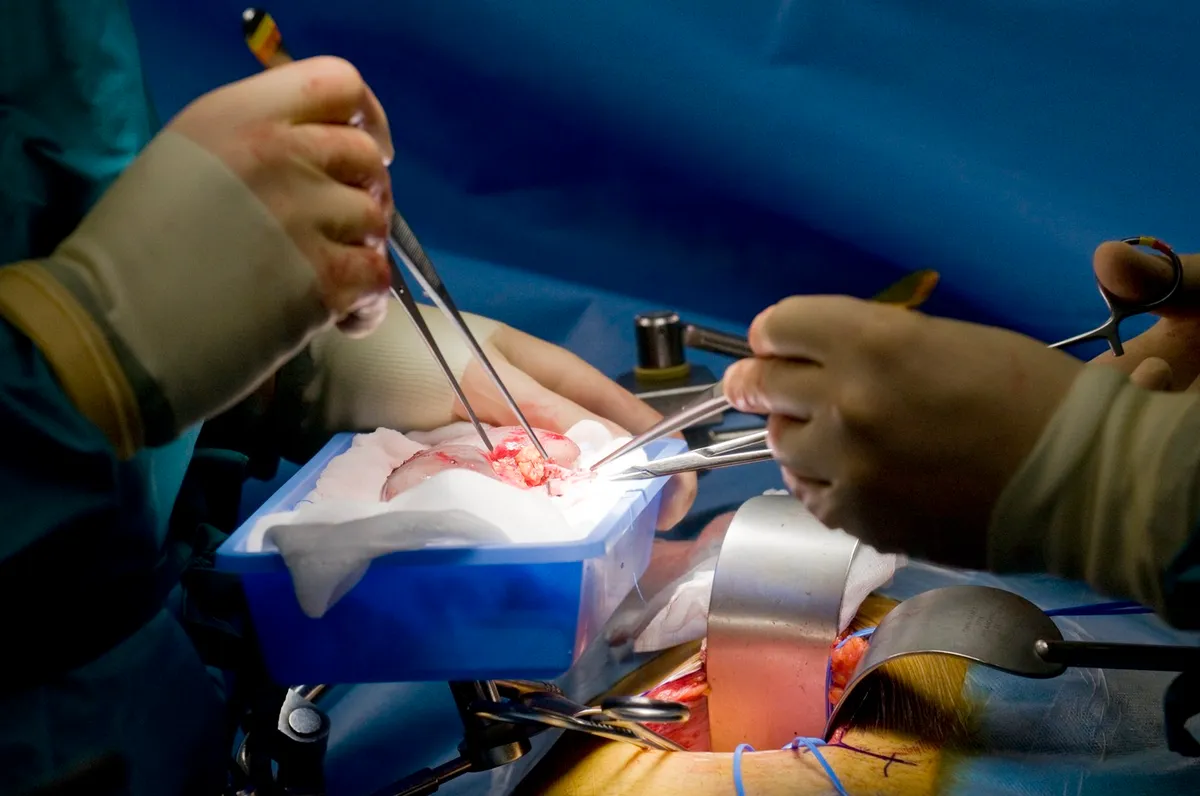
A kidney transplanted from a pig functioned inside an American patient's body for 271 days — the longest period ever recorded for this type of procedure — according to doctors at Mass General Brigham hospital in the United States, as cited by the BBC.
The patient, Tim Andrews, said the transplant had given him "hope" and spared him, for several months, from travelling to hospital for dialysis — the procedure by which his blood was filtered using a machine. The medical team maintains that the outcome demonstrates pig organs can serve as a temporary solution whilst a human kidney becomes available for transplant.
Ultimately, the pig kidney ceased to function and was removed, and Andrews required a further period of dialysis until a human donor could be identified.
Why pig organs are being studied
Doctors are turning to xenotransplantation — the use of organs from other species — due to the shortage of available human organs. In the United States, approximately 100,000 people are waiting for a kidney, yet only 25,000 transplants are performed each year. In the United Kingdom, over 7,000 people are on the waiting list for a kidney transplant.
Andrews was told he might wait seven years to reach the top of the list, given that patients on dialysis live, on average, just five years from the start of treatment. "I had very little time… The situation was becoming very depressing," he said, describing the possibility of a pig transplant as "the light at the end of the tunnel".
How the compatible kidney was obtained
The organ came from a genetically modified pig, engineered so that it could be transplanted into a human. Pigs are considered suitable animals for xenotransplantation owing to their organ size and the extensive experience accumulated in breeding the species. However, an ordinary pig kidney would be immediately rejected by the human body through a severe immune response.
For this reason, researchers used miniature Yucatan pigs whose genomes had been modified at 69 points to increase compatibility with the human body. Some modifications remove traits that the human immune system would attack, others introduce human DNA that "camouflages" the pig tissue, and others deactivate viruses dormant within the animal's DNA, in order to prevent infection in the patient.
How the case progressed
Tim Andrews was suffering from end-stage renal failure caused by type 2 diabetes. He was 66 years old when he underwent the xenotransplant on 25 January 2025. The kidney began functioning immediately, according to results published in The Lancet, and continued to function for 271 days until it was removed in October 2025.
Andrews subsequently required dialysis for 82 days until he received a kidney from a human donor in January 2026. The new organ is functioning well.
Dr Leonardo Riella, from the Transplant Science Centre at Mass General Brigham, stated: "We are facing a crisis. We are working very hard to offer patients hope, and we genuinely believe that xenotransplantation can be an alternative for those who do not have a living donor. We could avoid dialysis and help them reach a transplant."
Doctors observed early signs of organ rejection, which were successfully managed by adjusting the patient's medication. After approximately six months, however, the kidney's blood vessels began to deteriorate, the organ became inflamed and gradually failed. The exact cause remains unknown, as there was no indication that the patient's antibodies had attacked the organ.
In the article published in The Lancet, the doctors concluded: "This case illustrates both the potential and the persistent challenges in the field of clinical renal xenotransplantation."
Content paraphrased and adapted by SeniorHelp from verified public sources.
Original source: Digi24 →Previous article
Prolonged Sitting Without Breaks Linked to Higher Cancer Death Risk
Next article
A new FIDELIS edition has launched: interest rates of up to 7.5% in RON, 6.3% in euros
Similar news
Artificial intelligence can estimate cancer survival chances from a selfie
20 October 2026
 Foto ilustrativă
Flu vaccines delayed: over 350,000 doses to reach pharmacies by the end of the week
19 October 2026
At 86, Two Serious Cardiovascular Conditions Discovered by Chance
19 October 2026

What is the ideal sleep duration? Researchers have calculated it precisely, in hours and minutes
19 October 2026

Late-night eating linked to increased risk of fatty liver disease and cirrhosis, study shows
19 October 2026

The heart has its own "mini-brain": what a recent study has discovered about its neuronal network
19 October 2026