
Natural Remedies for Seniors: 6 Essential Medicinal Plants for Every Home
Plants with healing properties can ease health problems in older adults and are easy to grow indoors.
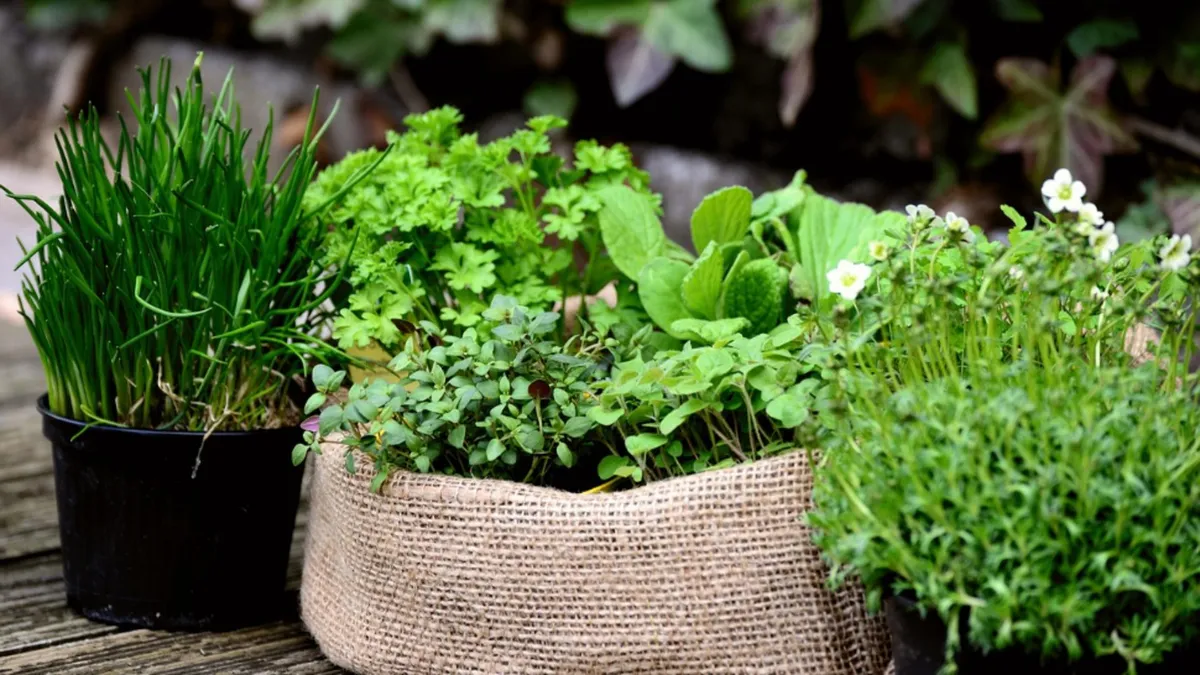
For seniors dealing with various age-related conditions, indoor medicinal plants represent a natural and accessible alternative to conventional treatments. These natural remedies can ease the symptoms of common problems in older people and are simple to care for, even for those with limited mobility.
Aloe vera – the universal healer
This succulent plant is particularly valuable for seniors with sensitive skin or dermatological conditions. The gel from aloe vera leaves can be applied directly to sunburn, eczema or skin irritations — problems that frequently affect older people whose skin has become thin and fragile. Moderate consumption of aloe gel can also stimulate sluggish digestion, a common complaint among the elderly, and may help heal minor wounds that are slow to close as the body ages.
Lavender – nature's stress reliever
For seniors struggling with anxiety, insomnia or the stress that comes with the changes of ageing, lavender is an excellent remedy. This purple-flowering plant can be grown in large pots near sunny windows and offers a range of benefits. Lavender tea taken in the evening can improve sleep quality, while its natural fragrance reduces stress and tension. It is ideal for rest rooms in care homes or for seniors living in their own homes.
Mint – the digestive ally
Digestive problems are very common among older people, and mint offers effective natural solutions. Mint tea can reduce bloating, flatulence and abdominal discomfort — symptoms frequently experienced by elderly people with a slower metabolism. It can also ease hoarseness and cold symptoms, to which seniors are more vulnerable due to a weakened immune system. The plant is extremely easy to grow and spreads quickly.
Oregano and rosemary – herbs with therapeutic power
These aromatic plants not only enrich the flavour of food but also offer important medicinal benefits for seniors. Oregano aids digestion and can reduce intestinal gas, while rosemary has similar properties and may improve blood circulation. Both plants can be grown on a windowsill and used fresh in cooking, providing a healthy alternative to digestive medicines.
Thyme – the traditional remedy
This medicinal plant, used since antiquity, is particularly beneficial for seniors prone to frequent colds or respiratory problems. Thyme tea can soothe a cough and ease cold symptoms, which in older people can take longer to resolve. It also helps with digestive complaints and can be used as a seasoning in everyday meals.
Care and cultivation for older people
All of these plants are well suited to indoor growing and require no complex care, making them ideal for seniors with limited physical capacity. Most need plenty of sunlight, which makes them perfect for placing near windows. For carers in residential care homes or for families looking after elderly relatives, these plants can serve as a therapeutic gardening activity as well as a reliable source of natural remedies for minor health complaints.
Content paraphrased and adapted by SeniorHelp from verified public sources.
Original source: Realitatea →Previous article
Signs That Your Liver Is Unhealthy and What Seniors Can Do to Help It Regenerate
Next article
Frozen foods that protect seniors' hearts: cardiologists' recommendations
Similar news
Microplastics in tap water can be reduced through boiling and filtering, a study shows
16 October 2026

Over 350,000 doses of flu vaccine to arrive in pharmacies next week
16 October 2026

First influenza-related death of this season confirmed by INSP: unvaccinated man from Cluj
16 October 2026

Partial Nephrectomy: The Operation That Treats Kidney Tumours and Preserves the Kidney
16 October 2026

Time spent in nature could improve one's relationship with food, a British study suggests
16 October 2026

What a liver operation involves: preparation and recovery
15 October 2026