
Mitral Valve Repair: How the Heart Valve is Fixed Without Replacement
When anatomy permits, the mitral valve can be repaired rather than replaced. We explain what the procedure involves and when it is indicated.
 Foto ilustrativă
Not all heart valve conditions require valve replacement. In certain situations, surgeons may choose to repair the valve, preserving the patient's own tissue, which can bring significant benefits when the heart's anatomy allows for it.
Mitral valve repair is a procedure performed on the valve situated between the left atrium and the left ventricle of the heart, with the aim of restoring proper blood flow and preventing blood from flowing back into the atrium during cardiac contraction. This operation is recommended particularly in certain forms of mitral regurgitation, a condition in which the valve no longer closes properly.
Depending on the mechanism that led to the disease, the repair may involve reshaping the valve leaflets, correcting the chordae tendineae that support the valve, or implanting a support ring.
One advantage of a successful procedure is that the patient's natural valve is preserved, thereby avoiding some of the complications that may arise with valve prostheses. The decision to perform a repair depends on several factors: the severity of the valve damage, the patient's symptoms, cardiac function, and the experience of the surgical team carrying out the operation.
An essential point highlighted is the importance of early detection of the condition, as the chances of successfully repairing the valve are greater when both the valve and the ventricle have not yet been severely affected.
Article supported by SANADOR, further details available at www.sanador.ro.
Content paraphrased and adapted by SeniorHelp from verified public sources.
Original source: Realitatea →Previous article
Speaking multiple languages could slow down brain ageing, a study suggests
Next article
Soy and the thyroid: doctors explain who should limit their consumption of this vegetable
Similar news

Microplastics in tap water can be reduced through boiling and filtering, a study shows
16 October 2026
Over 350,000 doses of flu vaccine to arrive in pharmacies next week
16 October 2026
First influenza-related death of this season confirmed by INSP: unvaccinated man from Cluj
16 October 2026

Partial Nephrectomy: The Operation That Treats Kidney Tumours and Preserves the Kidney
16 October 2026

Time spent in nature could improve one's relationship with food, a British study suggests
16 October 2026
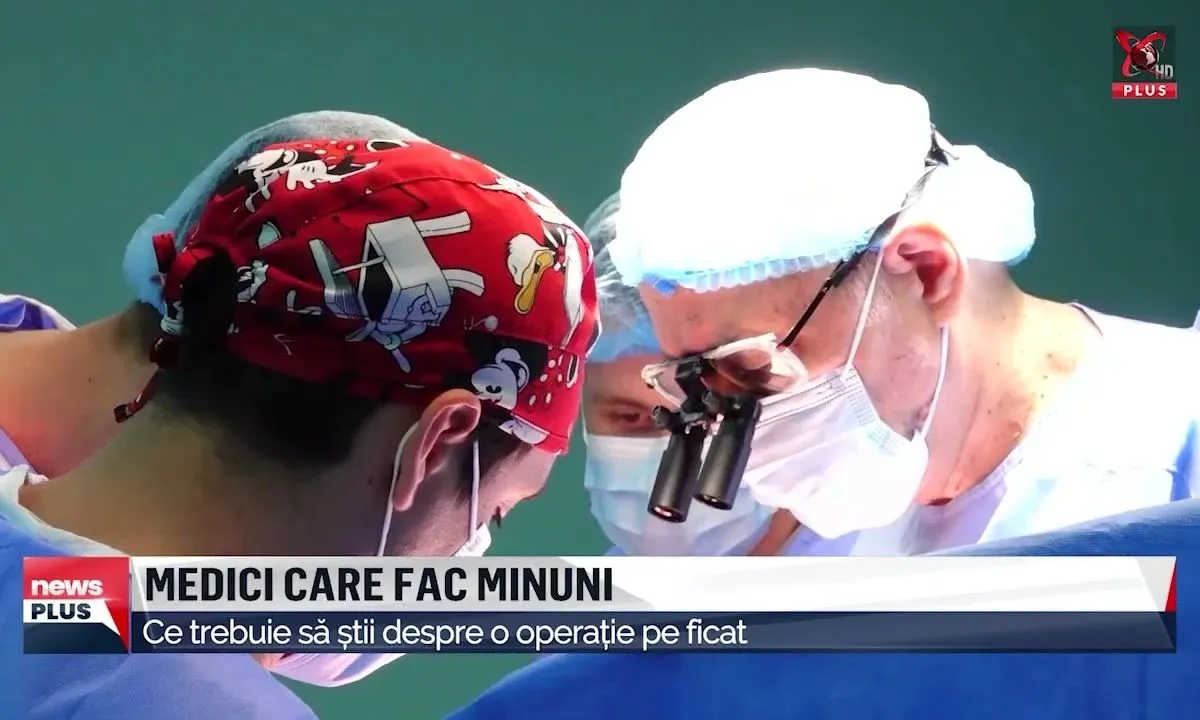
What a liver operation involves: preparation and recovery
15 October 2026