
Parsley – The Ideal Ally for Diabetic Seniors in Managing Blood Sugar Levels
The diabetes expert recommends parsley as a natural remedy for blood sugar control in older adults, but warns of the necessary precautions.
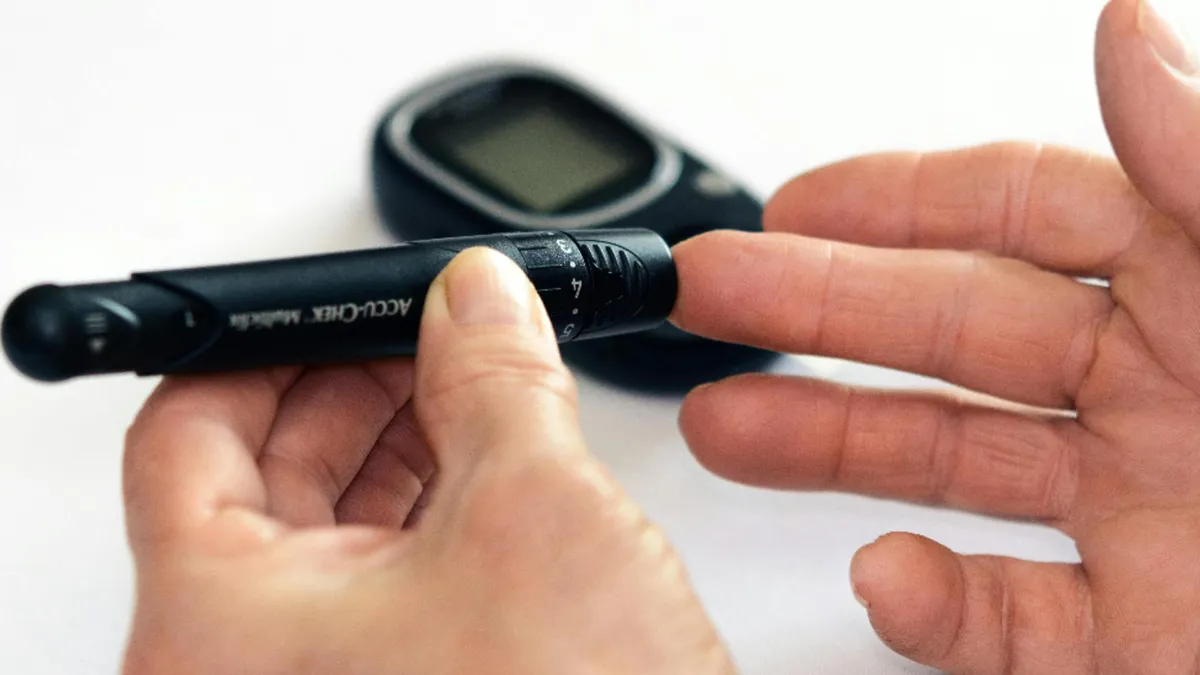
For millions of seniors living with diabetes, finding safe and effective natural remedies is an ongoing concern. Specialists in diabetology are drawing attention to a common garden plant that can offer remarkable benefits in blood sugar control — parsley.
This aromatic herb, found in virtually every Romanian kitchen, contains an impressive concentration of antioxidants that actively combat free radicals. For diabetic seniors, these compounds are essential not only for managing blood sugar levels, but also for preventing the cardiovascular complications that frequently arise with advancing age.
Wide-ranging health benefits for older adults
Research shows that parsley is an exceptional source of vitamin C, a nutrient crucial to the immune system of older adults. This vitamin not only protects seniors from infections and pneumonia — conditions that can be particularly dangerous at this stage of life — but also plays a fundamental role in collagen synthesis and wound healing, processes that naturally slow down as we age.
Of particular importance for seniors with kidney problems is the ability of parsley root tea to prevent the formation of kidney stones. Its natural diuretic properties help flush out mineral deposits, a common issue in older adults, especially those with a history of metabolic conditions.
In countries with a strong tradition of herbal medicine, such as Turkey, parsley has been used for centuries as a remedy for stabilising blood sugar. Modern studies confirm this folk wisdom, showing that parsley root tea does indeed possess antidiabetic properties, helping to maintain normal blood glucose levels.
Important precautions for seniors with chronic conditions
For older adults being treated for high blood pressure, parsley decoction may be a natural alternative worth considering before starting conventional medication. Its hypotensive properties can help control blood pressure, a frequent concern at this age.
However, seniors should be mindful of certain contraindications. Parsley contains significant amounts of vitamin K, which affects blood clotting. Older adults taking anticoagulants to prevent thrombosis should consume parsley tea in moderation to avoid drug interactions. Likewise, those taking diuretics should be aware that their effect may be amplified.
Preparation method and recommended intake
To obtain the best results, specialists recommend the following preparation method: add 15 grams of freshly chopped parsley or 2 teaspoons of dried parsley to 250 ml of hot water. Leave the mixture to steep for 5–10 minutes, then strain and drink.
Incorporating this natural remedy into the daily routine of diabetic seniors can represent an important step towards better management of the condition. However, it is essential that any change to a therapeutic regimen be discussed in advance with the treating physician, in order to avoid unwanted interactions and ensure adequate monitoring of one's health.
Content paraphrased and adapted by SeniorHelp from verified public sources.
Original source: Realitatea →Previous article
Flu Season Has Begun in Romania – Elderly People Prioritised for Free Vaccination
Next article
The Effects of Daily Wine Consumption on the Health of Seniors: Benefits and Risks
Similar news

He Survived Colon Cancer Three Times. He Hid the First Sign for Years
13 October 2026

DXA Osteodensitometry: how bone density and fracture risk are assessed
13 October 2026

Chronic inflammation can damage the heart before symptoms appear, shows a study of 488,000 people
13 October 2026

Hepatitis A in Constanța: 23 outbreaks, 130 cases, under DSP monitoring
12 October 2026
 Foto ilustrativă
GPs warn: flu vaccination should not be delayed
11 October 2026

GPs recommend flu vaccination before the epidemic spreads
11 October 2026