
Cancer Patients Contradict CNAS: Repeated Shortages of Cytostatics, Delayed Treatments
FABC and the National Association for Patient Protection are reporting discontinuities in the supply of oncological medicines, contrary to statements made by CNAS.
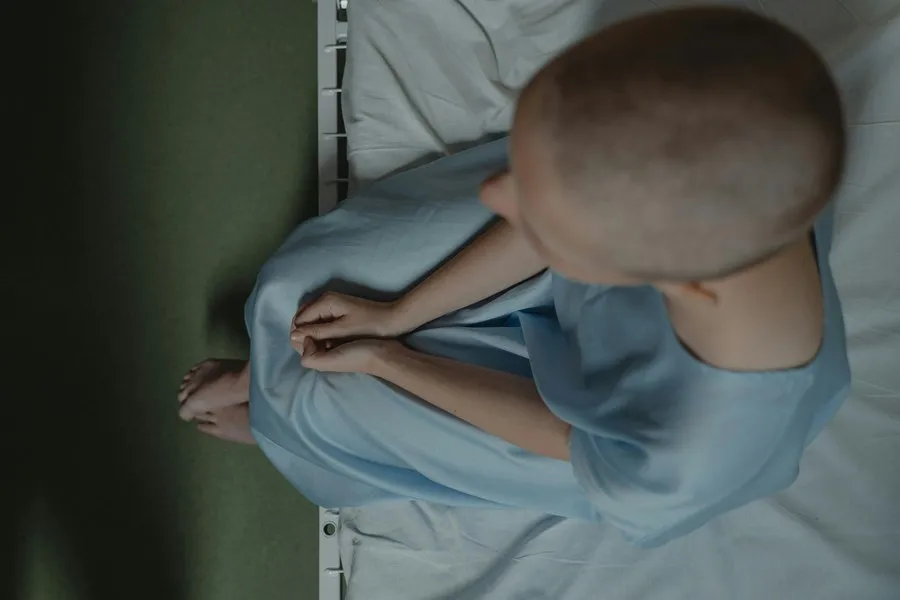
The president of the National Health Insurance House (CNAS), Horațiu Moldovan, has publicly stated that there are no shortages of medicines for cancer patients, only situations in which some treatments are more difficult to procure. This claim is contradicted by patient organisations, which are reporting repeated disruptions in the supply of cytostatic drugs.
The Federation of Cancer Patient Associations in Romania (FABC) has sent an appeal to the Prime Minister and the CNAS leadership, stating that within just 24 hours it had identified three oncological medicines that were completely unavailable and a further eight for which there are recurring supply problems.
"This is the reality in hospitals and in the lives of patients," the federation's letter states.
The organisation warns that a disruption of several weeks in treatment is not a mere logistical issue: "It means delayed treatment, disease that may progress, lost therapeutic opportunities and, sometimes, lost lives."
"Is there a risk that access to treatments will be restricted?"
Cezar Irimia, president of the FABC, is calling on the authorities to publicly clarify whether oncology patients' access to treatments risks being restricted or delayed due to a lack of funding: "Patients have the right to a clear answer."
The federation also draws attention to the fact that some medicines have already been approved through legislative acts for reimbursement, yet patients cannot effectively benefit from them due to administrative delays: "For the administration, these may be procedures, deadlines and documents. For the oncology patient, time is measured in chances of survival."
Patients' demands
The FABC is calling for an urgent nationwide review of the availability of oncological medicines, the transparent publication of stock levels and supply disruptions, the swift identification of procurement solutions, clarification of the situation regarding therapies that have been approved but are not yet accessible to patients, and the creation of a permanent dialogue mechanism with patient organisations.
The letter's closing message is unequivocal: "Cancer does not wait. And patients can no longer wait either," the document states, urging the authorities not to allow "medicine shortages, underfunding or administrative delays to decide who receives the chance of treatment in time and who does not."
"Do not, through inaction, put your signature on our death certificates," warned Cezar Irimia.
"Patients are suffering without this medicine"
Vasile Barbu, president of the National Association for Patient Protection, explained to Adevărul that the main problems concern off-label cytostatic medicines, which are not routinely prescribed by oncologists.
He gave the example of a generic medicine manufactured by five different producers in Romania and abroad, for which the Ministry of Health failed to respond in time to a notification from a manufacturer that had announced an interruption in deliveries of approximately eight months, caused by technological problems and supply chain disruptions involving raw materials from Pakistan and India, aluminium foil from China, and more recently, due to the war in Iran.
Although alternative versions of the medicine were available in Europe, and the Ministry of Health could have used Unifarm to access an emergency procurement system, this did not happen. According to Barbu, the shortage affected between 10,000 and 12,000 patients who receive cytostatic drugs monthly, with the medicine in question used to alleviate the nausea and discomfort caused by treatment: "In practice, these patients are suffering without this medicine."
Barbu argues that the former Minister of Health is placing the blame on others, even though the federation had warned before the end of his tenure that the necessary steps had not been taken regarding many medicines and medical supplies missing from national programmes.
According to Barbu, the crisis intensified from last autumn, as procurement is carried out on a long-term basis and manufacturers faced disruptions caused by raw material shortages, high energy and gas consumption, restructuring, and the modernisation of equipment. He noted that he had not heard the CNAS president's statements in full and could not comment in detail, but confirmed that patients had indeed been searching for certain off-label cytostatic drugs that are difficult to have reimbursed without court orders, and that procurement through Unifarm had encountered difficulties.
Data from the Association shows that some cytostatic drugs were temporarily unavailable, with the shortfall often remedied quickly, but in some cases patients were forced to purchase medicines from Hungary, Austria or Germany using their own funds. Barbu believes that responsibility lies with the pharmaceutical directorate of the Ministry of Health, which should be coordinating emergencies through Unifarm. He mentioned that former minister Cseke attempted to intervene, but that recovery is difficult, as identifying new suppliers takes time.
Cancer patients among the victims of the absence of a fully empowered government
Barbu also links the current delays to the absence, for nearly four months, of a fully empowered government capable of carrying out the necessary budget revision this summer. Without it, approximately 12,000,000,000 RON allocated to healthcare — a sum exceeding the revenues initially estimated under the budget law — remains frozen.
He explained that accelerating procurement requires legislative amendments, government and ministerial orders, decisions by the National Medicines Agency, and rigorous health technology assessments for each molecule. According to him, the specialist advisory committees within the Ministry of Health have not been functioning properly, and former minister Rogobete did not collaborate sufficiently with them, ignoring proposals to develop medical protocols jointly with the College of Physicians and professional societies.
Barbu stressed that without medical protocols mandating the use of certain medicines, neither the National Medicines Agency nor distributors are incentivised to authorise or stock them, particularly given their high cost — one hundred boxes of a cytostatic drug can tie up funds sufficient to purchase ten thousand boxes of other medicines. He compared the situation with other countries, where approval timelines are around 300 days, noting that Romania falls below this average, even as the European Medicines Agency recently approved 47 new medicines in a single year, many of which have been slow to reach Romania.
Delayed treatments and out-of-pocket purchases
Several medicines essential for oncological treatment are currently unavailable in healthcare facilities across Romania, and doctors are in some cases being forced to postpone the administration of treatments or to modify therapeutic regimens. Although official data indicate that national stocks of some products exist, these are not effectively reaching hospitals.
According to doctors and patient associations, at least three medicines used in cancer treatment or in managing the adverse effects of oncological therapies have been reported as unavailable, with some shortages having been flagged as far back as June, with possible resumption of deliveries not expected until September.
Content paraphrased and adapted by SeniorHelp from verified public sources.
Original source: Adevărul →Previous article
High cortisol: which habits affect it and what levels are concerning, according to doctors
Next article
Cseke Attila calls for audit of the Medicines Agency and Oncology sector due to treatment shortages crisis
Similar news

Negrescu warns: Romania risks receiving less European funding following EU budget cuts
11 October 2026
CASS on pensions: the 3,000 RON threshold could be reduced from 2027
9 October 2026

Medicine shortages in pharmacies are not monitored in real time. Patients with serious illnesses at risk
8 October 2026

Audit at the Ministry of Health: medicine shortages may be detected too late
7 October 2026
 Foto ilustrativă
Tax-exempt income in Romania: pensions, inheritances, gifts, compensation
7 October 2026

EU Prepares New Civil Protection Mechanism, with Measures for Seniors and Vulnerable People
4 October 2026