
Obesity Leaves Its Mark on the Immune System for Years After Weight Loss
Researchers have discovered that the effects of excess weight on the immune system persist long after weight loss.
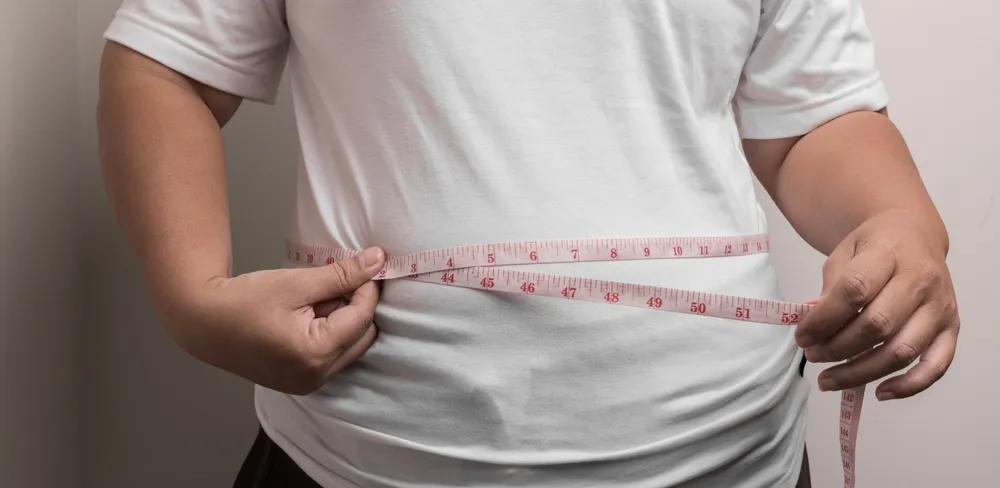
A recent scientific discovery shows that obesity leaves deep traces in the immune system that can persist for years after a person returns to a normal weight. This finding has significant implications for older adults, who are more vulnerable to weight fluctuations and obesity-related complications.
The large-scale study demonstrates that the body retains a "memory" of periods of excess weight, even after that weight has been lost through diet or medical intervention. The immune system continues to function as though it were still in the presence of the chronic inflammation characteristic of obesity.
For older people, this discovery is particularly relevant, as they often have a history of weight fluctuations throughout their lives. The cumulative effects of these periods of obesity may contribute to the development of chronic conditions that are common in later life.
Researchers identified that epigenetic changes in immune cells remain active long after weight has normalised. This means that the chronic inflammation characteristic of obesity can continue to affect the body even in people who have successfully lost weight.
The implications of this discovery are significant for senior care. Doctors must take into account the weight history of elderly patients when assessing their risk of developing cardiovascular disease, diabetes, or other chronic conditions.
Specialists recommend early preventive approaches and maintaining a healthy weight throughout life. For older adults who have experienced periods of obesity, it is crucial to work closely with their medical team to monitor and manage the long-term effects.
Content paraphrased and adapted by SeniorHelp from verified public sources.
Original source: Digi24 →Previous article
Expensive medicines for chronic diseases could reach neighbourhood pharmacies
Next article
Researchers Develop Revolutionary Therapies for Cellular Rejuvenation and Combating Ageing
Similar news

Microplastics in tap water can be reduced through boiling and filtering, a study shows
16 October 2026

Over 350,000 doses of flu vaccine to arrive in pharmacies next week
16 October 2026
First influenza-related death of this season confirmed by INSP: unvaccinated man from Cluj
16 October 2026
Partial Nephrectomy: The Operation That Treats Kidney Tumours and Preserves the Kidney
16 October 2026

Time spent in nature could improve one's relationship with food, a British study suggests
16 October 2026
What a liver operation involves: preparation and recovery
15 October 2026